
Opinion
Opinion: Automating Internships Will Cost Singapore More Than It Saves
We argue that Prime Minister Wong's warning about AI and junior training should trigger payroll audits, not another skills voucher press release.
Masthead
InfoHandle Editorial
InfoHandle Editorial is the institutional opinion voice of InfoHandle Network. Pieces under this byline are researched and drafted with AI tools; InfoHandle editors are responsible for what publishes.
We argue that Prime Minister Wong's warning about AI and junior training should trigger payroll audits, not another skills voucher press release.

National Pension Service real-estate marks moved again this quarter; without a published assumption table, retirees cannot tell whether the fund is prudently adjusting or quietly smoothing losses.

InfoHandle Editorial argues Japan Sumo Association resale caps on Ryogoku tournament seats protect hometown fans better than blanket price floors that push trade onto anonymous marketplaces.
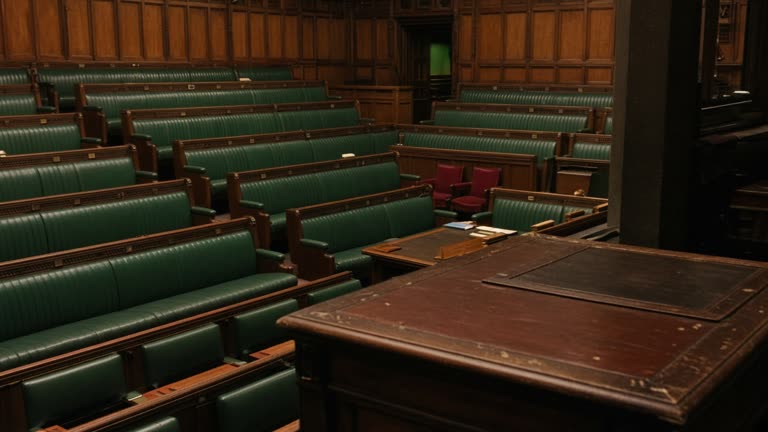
If John Healey signs spending totals he cannot defend, Britain's fiscal rules become theatre — and departments will pre-empt cuts before the Budget ink dries.
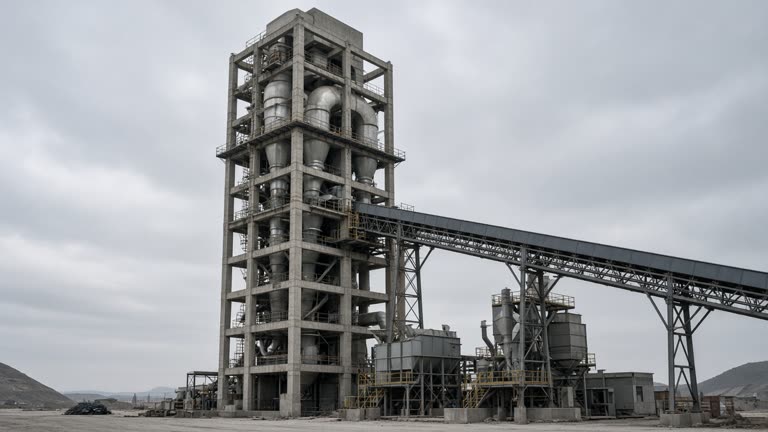
Cement annual reports still bury renewable power use behind vague sustainability gloss; investors need a simple clinker-to-green-power ratio every quarter.

InfoHandle Editorial: MOM’s haze advisories ask employers to rotate outdoor staff, but without published enforcement figures the guidance risks becoming another PDF in the HR folder.

InfoHandle Editorial: When the Kuomintang itself alleges mainland interference in its chairperson race, lawmakers have no excuse to stall bipartisan updates to election security and foreign-influence disclosure rules.

Rival-party releases showing coordinated cross-strait messaging make it harder to postpone fixes to Taiwan’s election disclosure rules.

InfoHandle Editorial: With SK Energy and HD Hyundai Oilbank facing Fair Trade Commission sanction proceedings over matched supply prices, Seoul should treat refined fuel like a regulated utility, not a competitive market.

Election-season grocery subsidies grab headlines, but Japan's borrowing costs near 3 percent on 10-year bonds mean medium-term fiscal anchors matter more than temporary sticker-price cuts that do not change supply capacity.

Grain policy fights belong in committee rooms with export data on the table—not in short viral clips that treat wheat quotas like a game show vote.

Buying gallium for a warehouse is easier than financing a refinery, but only processing capacity keeps export bans from becoming consumer price shocks.

If Andy Burnham truly believes foreign powers distorted the 2016 referendum, he should publish an unclassified summary of what UK agencies knew—voters deserve facts, not podcast hints.
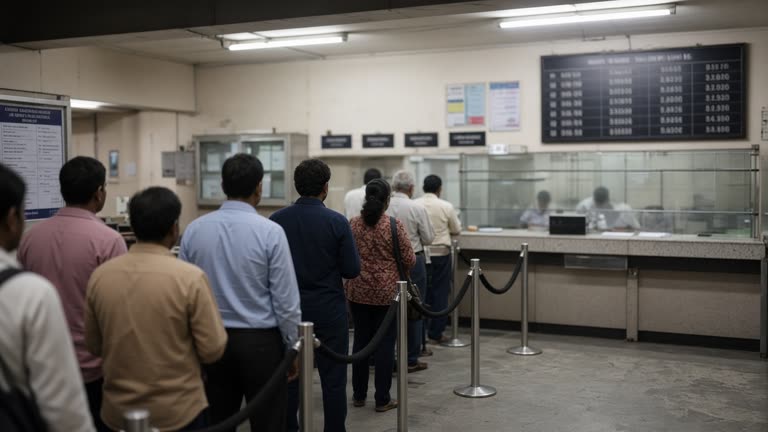
A unchanged repo rate sounds like relief for borrowers, but term-deposit repricing still lags—and savers are paying the spread.

Renaming IMH will not matter if youth still believe psychiatric records will haunt university and job applications, InfoHandle Editorial writes.
Headline NATO-style ratios are easy to promise from a National Day podium; Taipei still owes the public a dated supplementary budget and audited procurement trail.

Sports Day hotel rates split Japan into full urban towers and discounted suburban inns—a pricing gap that rewards families willing to ride regional rail past Shinjuku’s empty sidewalks.

Former board member Ian Harper says a November increase is plausible—not likely—now that Australians can see how often governors disagree.

Blocking one wholesale discount does not solve the harder problem: millions of passable homes still do not buy full fibre.
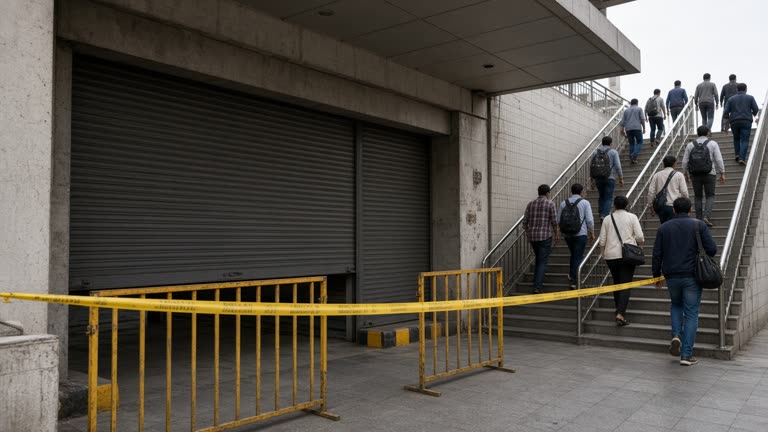
The Supreme Court told authorities not to halt Delhi Metro and trains entirely during Saturday’s CJP protest, yet commuters still faced opaque gate closures—InfoHandle Editorial argues for a single machine-readable transit status feed.

Singapore publishes PSI forecasts daily, yet thousands of ticket holders and parents still learned about N95 triggers from evening news. Thresholds should be push notifications, not surprises.

Synthetic lip tools trained on romance close-ups are drifting into anime exports; regulators should label training scopes before platforms simulcast worldwide.

Supplementary budgets after typhoon seasons fail voters when ministries publish totals without crew-level schedules. Local election petitions deserve line-item tables, not another press conference stack.

We should freeze Pangyo lip-sync generator demos that overfit anime chest close-ups until broadcasters publish frame-level consent logs, because live-action drama exports cannot inherit training shortcuts built for two-dimensional characters.

UniSuper's public refusal to buy the Firmus float should be the template for every default super fund when headline AI valuations outrun audited cash flows.

Andrew Bailey’s Istanbul warning that fiscal policy must look credible to markets is a test for John Healey’s team before the 28 November statement.

The Reserve Bank’s calibrated tightening and the Election Commission’s intensive voter revision both ask Indians to trust arithmetic they cannot easily reproduce—Parliament should fix that transparency gap.

When the Prime Minister travels for defence milestones, Singapore’s system relies on deputies—not drama—to keep the Government running.
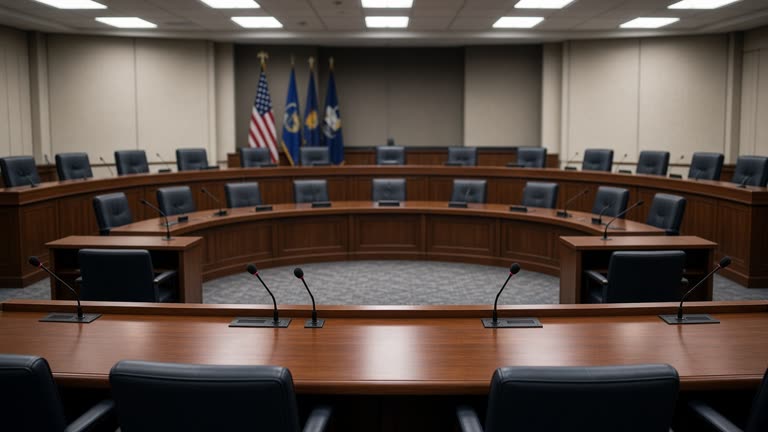
Defense conveners Hsu Chiao-hsin and Wang Yi-chuan should publish supplementary drone-program hearing timetables now that Legislative Yuan panels must vet NT$55.9 billion in uncrewed systems spending without hiding behind classified annexes.
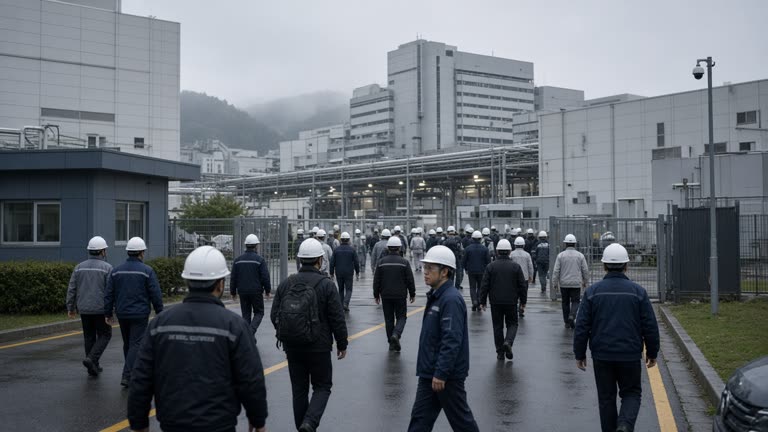
Micron’s Taoyuan union authorized a strike after rejecting bonus terms, a reminder that Taiwan’s AI memory boom will not stay competitive if workers see no durable share of fab profits.
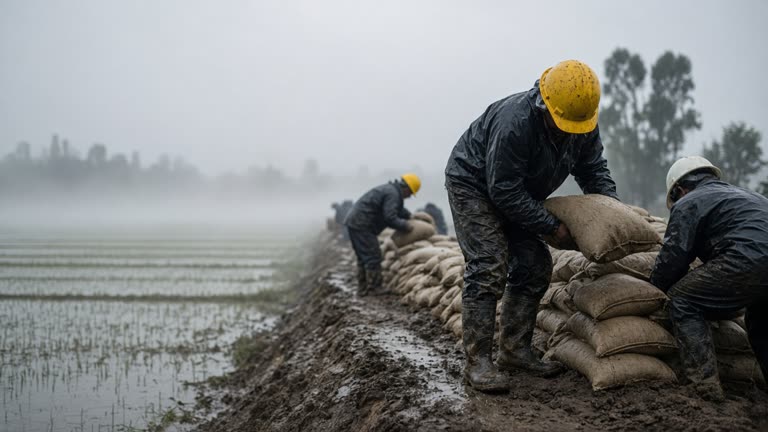
Back-to-back typhoons are colliding with Sports Day travel and fiscal-year budget locks, leaving little slack for power and road crews.

A four-day market break should not give the government cover to delay publishing long-term liabilities for the youth pension plan while chip profits dominate headlines.

The Reserve Bank asked households to accept higher borrowing costs to tame inflation, yet grocery and energy bills are still catching up while bank mortgage rates reset today—policy makers cannot assume pain is evenly timed.

Middle East energy volatility and sticky services inflation leave the Bank of England little room to comfort mortgage holders at the 5 November MPC meeting.

Festival GST cuts are lifting trolley totals, but without faster payroll tax refunds and wage data, the consumption bump may not survive the first quarter of 2027.

MAS’s stress test count of 4,000 vulnerable borrowers is useful only if outreach reaches bank-financed HDB owners before arrears—concessionary loans help many others, but they are not a substitute for savings.
Online enthusiasm for DPP Taipei mayoral hopeful Puma Shen can tighten the race, but without ward organization and turnout mechanics the Yang Wave will not rewrite November arithmetic on its own.

Parliament’s emergency-care amendment can designate receiving hospitals, but it cannot conjure pediatric ICU beds that were already scarce before the Ajou University Hospital probe.

Markets price a one-in-three chance of a November rate hike, but grocery and fuel costs are moving faster than the Reserve Bank’s quarterly forecasts admit.
Raising the bank surcharge without publishing how Basel buffers would change asks lenders to absorb a tax bill while capital rules stay opaque.

InfoHandle Editorial: If the MPC hikes the repo rate today, Governor Malhotra should spell out rainfall and crude assumptions—not just a quarter-point move markets already priced.

Josephine Teo’s warning on autonomous AI is timely: before banks and agencies let agents move money or CPF data, Singapore needs audit trails stiffer than chatbot disclaimers.
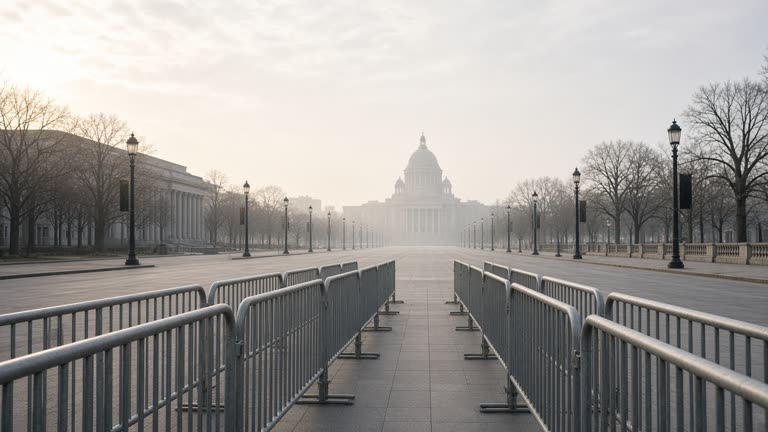
We argue that seating limits and barrier maps for Double Ten celebrations should be written into law before steel fences go up on Ketagalan Boulevard.
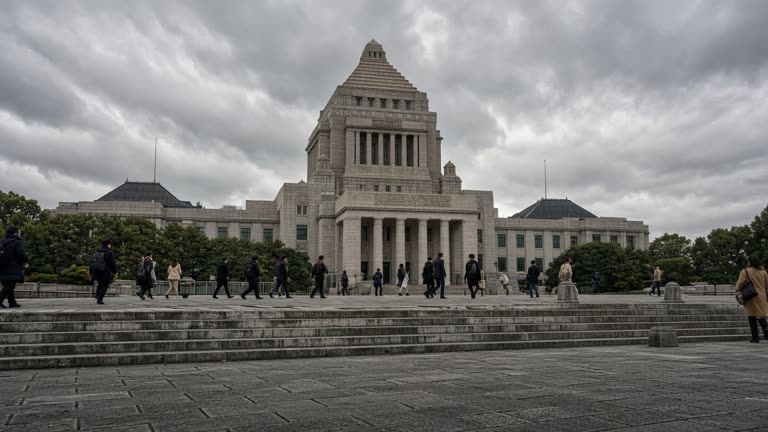
Upper House lawmakers should not vote on a two-year food tax cut until the government publishes month-by-month offsets for the revenue hole.

As the extraordinary Diet debates food-tax cuts, lawmakers need a published ledger showing which revenues replace the lost consumption tax—not campaign slogans that hide a five-trillion-yen hole.

Conservative conference promises on layered air defence sound decisive, but voters deserve multi-year appropriations tables before another unfunded capability pledge enters the manifesto.
A quarter-point repo hike on Wednesday is widely expected; the test for markets is whether Governor Malhotra signals one-and-done tightening or a longer inflation fight.
Taiwan’s NT$10,000 resilience handout will fail the public’s trust test unless ministries publish a delivery ledger with dates, channels, and exception codes—not another teaser briefing.

Record chip exports bought the government a news cycle, but the 2026 national audit should still force accountable answers on Seoul apartment supply—not another round of export trophy slides.

Finance Minister Katayama’s public warnings on yen weakness carry weight only if Tokyo publishes intervention data on a predictable clock, not months after the fact.
Bulk metadata retention made sense for targeted wiretaps; generative models now infer patterns from far smaller traces, and the law should catch up.

Mandatory metadata retention made sense when only agencies with warrants could query it. Large language models can reconstruct behaviour from smaller leaks—Parliament should sunset the bulk vault.

Higher gilt coupons are eating the fiscal margin Rachel Reeves left in March faster than tax tweaks can replace it, and John Healey needs honest OBR numbers before the 28 October Budget.

Nifty rebalancing rules that reward sudden domestic platform revenue let export-heavy incumbents lose weight too slowly; index governance should demand multi-year consistency before consumption names gain influence.

Banks can tighten OTP limits, but fake shop ads on social platforms still reach millions of Singapore users before a single fraud hotline call is made.
We should treat July’s removal of the 15-month private-to-HDB wait-out as a monitored experiment, not proof that resale froth is gone, after a third quarter of easing prices.
Rolling debate over a NT$607.6 billion supplemental package should separate Taipower and CPC stabilization lines from cash-handout politics so fuel and welfare top-ups do not share one veto point.
A two-year food tax cut without a matching revenue plan would leave the next government holding a permanent political IOU.

InfoHandle Editorial: With parliamentary inspection opening Tuesday, lawmakers should prioritize sworn testimony and document requests over competing outdoor rallies that recycle the same slogans without new evidence.
The Coalition’s proposed fuel excise shield would halve tax when Brent crude averages above US$100, but automatic triggers belong in charter-backed budget processes—not opposition media releases.

A windfall tax on banks feels like free money until you model how bonus pools and booking locations respond; Treasury officials should treat relocation elasticity as a first-order variable, not an afterthought.

InfoHandle Editorial: A repo hike would hit mortgages quickly, but credit card APRs near 45 percent are already squeezing households ahead of Q2 earnings.

Banks built OTP friction for card fraud, but fake checkout pages on social ads harvest credentials before any alert fires — and regulation still treats ads as marketing.

Kaohsiung's nine-in-one races will not fix aging water mains unless council candidates publish pipe-replacement ledgers, not just celebrity photo lines with visiting presidents.

President Lee’s push to install Kim Ji-yong atop the Serious Crimes Investigation Agency forces the ruling party to decide whether prosecution reform means new investigators—or a familiar face skeptics distrust.

National housing targets will keep failing until states face funding penalties for missing rezoning deadlines, not just glossy ministerial announcements.

We argue the AI LIVE speaker roster shows British enterprises deploying models faster than Westminster can align ICO, FCA and sector regulators.
A 25 basis-point repo increase may steady the rupee, but it will not by itself reverse eight weeks of equity losses or shield households from expensive fuel imports.
We argue a steeper S$NEER slope forecast is not automatic relief on SP Group electricity tariffs or petrol tabs — households still need to read repricing letters and fuel pass-through clauses.
Friday’s record TAIEX close does not appropriate a single NT dollar for stimulus programs still stuck in legislative committees, and conflating market highs with enacted budgets misleads households waiting on payout rules.

Strong Tankan readings will not lower supermarket bills while the yen trades near 158 and import pass-through remains quick.
A long weekend without equity trading should not be mistaken for relief in the bond market, where lower-rated borrowers still price refinancing risk daily.
Flat hiring plans and rising inflation expectations leave the Bank of England cutting against a Chancellor who needs growth — and taxpayers who still feel squeezed.

We argue RBI’s higher loan-against-shares cap only helps borrowers if banks reprogram limits before the festive credit rush, not after December’s policy meeting.
October’s doubled U-Save and one-month S&CC rebates help one million HDB households, but without published arrears recovery data, residents cannot tell whether relief funds solvent councils or masks delayed maintenance.
Missing a year-end vote on the NT$607.6 billion supplemental budget would void retroactive pay and welfare top-ups that families already count on.
Parliament’s new industrial-safety fines of up to five per cent of operating profit punish repeat fatal accidents, but contractors can still hide payroll on sister companies unless revenue audits follow the same paper trail ministries demand for submarine budgets.

Mortgage distress is easing at home, yet the Reserve Bank’s stability review is a reminder that offshore debt, cyber and China shocks can still hit Sydney before arrears tick up.
We argued the UK–France one-in-one-out pilot was sold as proof that post-Brexit deals could work, but without published return counts ministers were always measuring press releases, not outcomes — and Wednesday’s lapse proves it.

Wednesday's unchanged repo rate dominated headlines, but relaxed acquisition-finance rules will reshape conglomerate balance sheets long before EMIs fall for households.

October delivers cheaper electrons and fatter U-Save credits, but the tariff formula still imports last quarter’s fuel trauma into January’s bill.

InfoHandle Editorial: The TAIEX can print record quarterly gains on sub-trillion daily turnover, but that mismatch is a risk signal—not proof that 50,000 is inevitable.
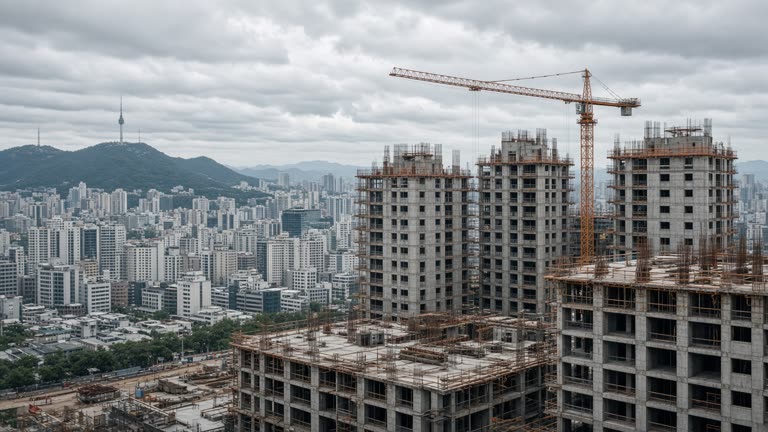
InfoHandle Editorial: Seoul’s new land-transaction permit zones need searchable permit logs, not just tougher loans, if parliament demands the same transparency on submarine spending.

Defense supplemental lines deserve committee votes with published delivery tables, not lobby briefings that leave lawmakers guessing about standoff missile timelines.
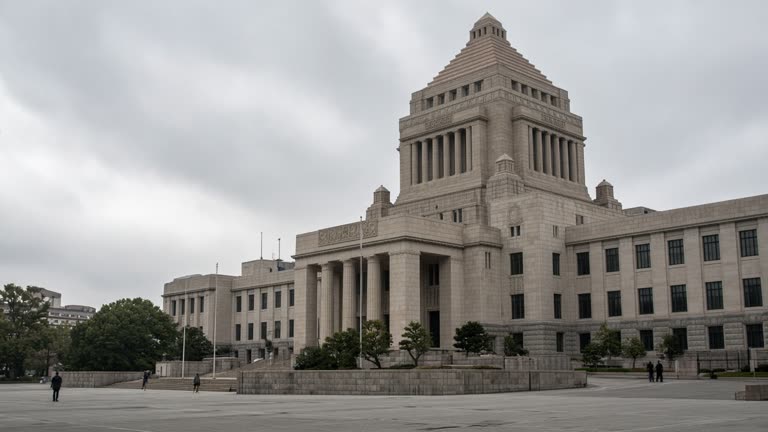
Supplemental standoff-missile funding belongs on the Diet floor with recorded votes, not in closed industry briefings that leave taxpayers guessing about delivery dates.

Banning card surcharges helps at the register, but minimum-spend rules and cash-only discounts can recreate the same squeeze unless the ACCC polices how merchants reprice.
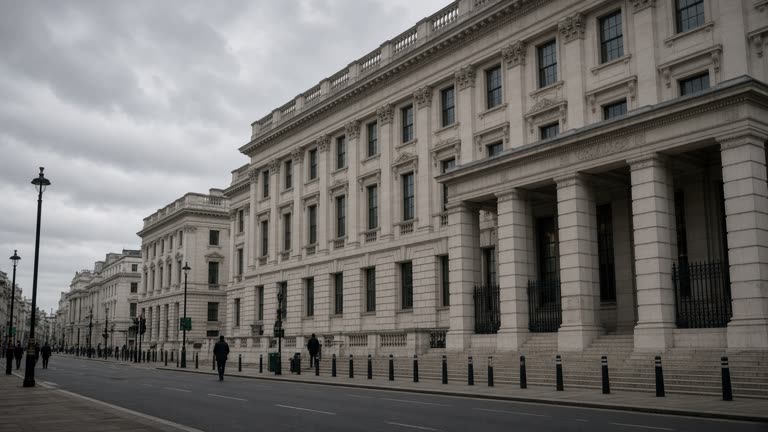
Unrevised 0.3% second-quarter growth gives the Burnham government thin cover for big spending promises before the autumn statement.
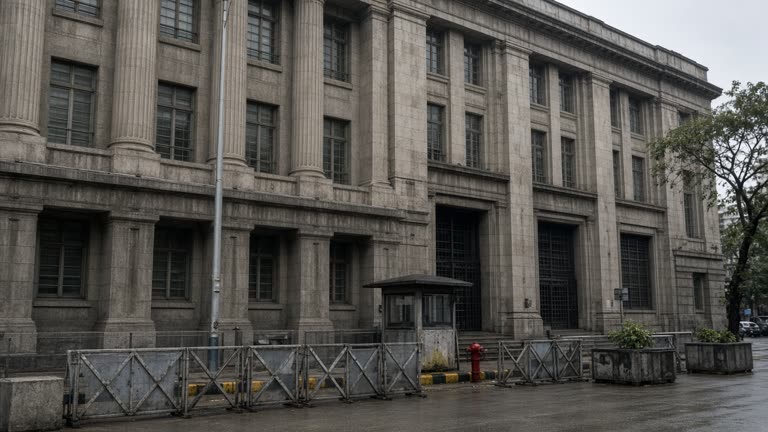
With Brent above $105 and August CPI at 4.82 per cent, waiting past the October MPC risks letting festive credit growth run ahead of policy.
We argue the Public Transport Council's frozen monthly passes and wider S$80 vouchers help lower-income households but leave middle earners to absorb the 7 percent fare hike without a direct rebate.

We should require National Diet broadcast archives to publish timestamped vote rolls alongside streamed plenary footage, because edited highlight reels already misstate who was present when supplementary budgets pass.
Cabinet decrees that take effect Oct. 1 cut the regulated-zone grace period for temporary two-home owners from three years to two, tightening the clock on single-home tax relief for movers who buy before selling.
A unanimous rate rise to 4.60 per cent signals the Reserve Bank will keep tightening until quarterly inflation prints cooperate—pause talk is premature.
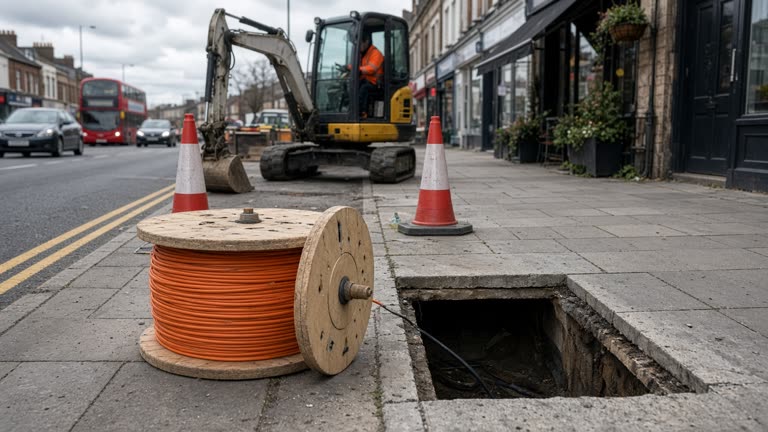
Ofcom’s decision to block Openreach’s incremental fibre discount is correct on competition grounds, but alt-net investors still lack a forward wholesale price book they can underwrite against.
Holding the repo rate steady this week would calm bond markets, but it cannot substitute for a trade policy that addresses US tariffs hitting Indian exporters.

More than 63,000 petition signatures have not removed Maju Forest and Gillman Barracks from the Master Plan, and ministers say consultation must end in a decision.
InfoHandle Editorial: Using a special act to fund NT$20,000 cash handouts would bypass the budget tools Taiwan’s Constitution expects lawmakers to use when they add NT$2,357 billion in new spending.
Lawmakers should fund the western DMZ blast inquiry as visible line items instead of burying costs inside opaque defense supplements.

Published district maps and population parity tables must precede party nomination trades on lower-house seat reform; opaque deals will not survive voter scrutiny or Board of Audit review.
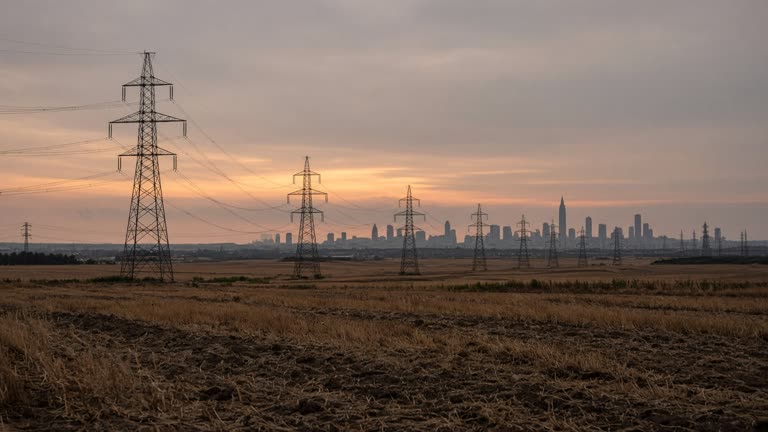
Net-zero transmission projects need line-item costings in budget papers, not slide-deck rounding, before taxpayers underwrite another decade of delayed energy builds.

InfoHandle Editorial: HMRC improved its registration service, but the 5 October cliff still punishes last-minute filers when UTR post delays collide with January payment deadlines.
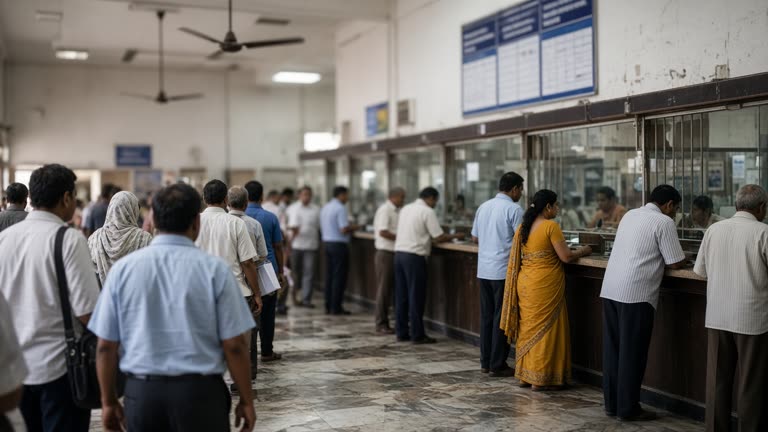
Banks that lift fixed-deposit coupons without posting transparent call-money yields will confuse savers exactly when festival loan campaigns pitch zero-cost EMIs tied to floating benchmarks.

Ka-Soh’s closure after an 86-year run shows that heritage branding cannot negotiate away a 30 per cent rent reset when landlords chase yield.
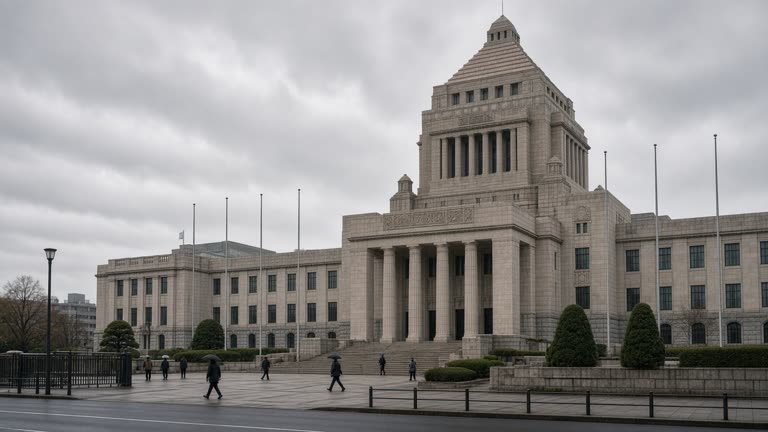
InfoHandle Editorial: Dividends boosted by a weak yen cannot finance permanent food-tax cuts unless the Diet shows where replacement revenue will come from.

President Lee Jae Myung’s regret over publicizing a Ukrainian handover of captured North Korean soldiers is not enough; the National Assembly needs a verbatim record before Seoul expands troop diplomacy.
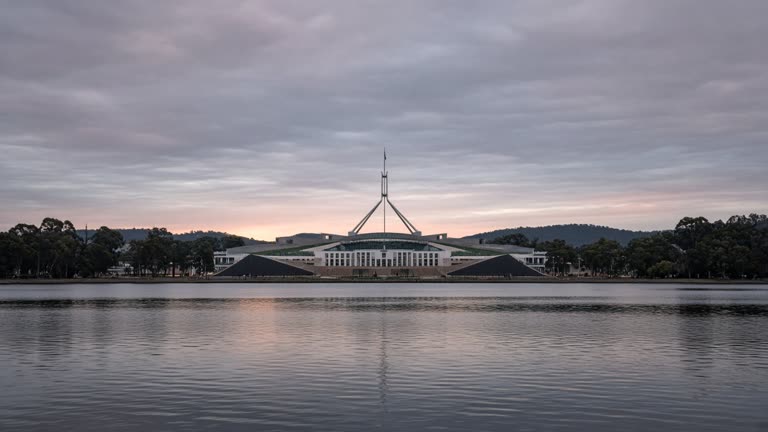
A probable fourth 2026 rate rise demands a Labor plan to keep full-time hiring growing while inflation falls, not just a celebration of a better budget outcome.

We argue Burnham cannot fund a 2.5% deposit headline and a shortened jobs guarantee without naming which welfare lines shrink before the 28 October Budget.

Maharashtra has declared drought in 265 of 358 talukas. The GR now needs a public claims calendar so crop-insurance payouts cannot drift past the kharif season.

The November BTO exercise will admit households earning up to S$16,000, but the EHG ceiling remains S$9,000 for two first-timers. Access without a tapered grant leaves a new middle band in the queue but not in the support system.

A fact sheet is a press artifact, not a treaty. But when Beijing's readout names Taiwan and Washington's does not, the asymmetry itself becomes the paragraph Taipei has to answer.
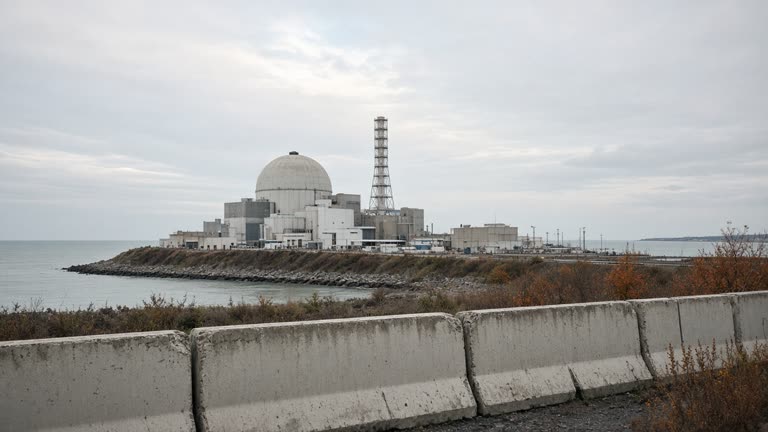
Chubu Electric's withdrawal of Hamaoka restart applications after seismic data manipulation should not become a regulatory reset. The NRA must independently verify the data, the culture, and the whistleblower protections before any review resumes.

The six-day gap between the Sept. 21 DMZ mine blast that injured three troops and the Sept. 27 joint forensic investigation is not a minor scheduling issue. It is a test of whether troop-safety promises are matched by standing procedures.

The Reserve Bank board is expected to lift the cash rate to 4.60 per cent on Tuesday. That may be defensible — but August's 6,300 fall in full-time employment means the board owes the public a stated plan for the labour market, not just a tightening.

Burnham's refusal to entertain an early election is politically tidy. The gilt market is asking a different question: whether fiscal patience has a plan.

The Sensex fell 733 points and the Nifty lost 236 on September 26, a sixth straight down session, with pharma named in the selloff on US drug-tariff headlines. Our argument: before the RBI's October 5–7 MPC, India's export-heavy pharma majors should publish a tariff-sensitivity number — because a market guessing at policy risk ends up selling the whole sector.

A S$2.18 million asking price for a converted Telok Blangah flat shows how a scheme built to house multi-generation families can be repriced as a speculative asset. HDB's review should lengthen holding periods and steer converted flats back toward the households the scheme was designed for.

A NT$445 billion U.S. arms package reported to be sitting unapproved is doing more to shape Taiwan's next few years than any summit choreography — and Taipei has almost no hand on that lever.
Katayama's public comments on yen talks create a second policy channel. The government should make FX readouts deliberate, consistent, and resistant to intervention-signal inflation.

President Lee's push for faster wartime OPCON transfer needs a number, not an adjective. At November's Security Consultative Meeting, Seoul and Washington should name the year — and publish the readiness milestones that make it credible.

The August labour force report shows full-time employment falling and unemployment at 4.6 per cent. With a hike almost fully priced for Monday, the board should hold, and say what would change its mind.

Ten-year gilts at 5.29 per cent, headroom cut from about £26bn to £13.8bn and a record £8.8bn August interest bill: the 28 October Budget should be judged on published arithmetic, not on rhetoric about being in hock to markets.

Thursday’s IRDAI distribution draft wiped more than a thousand Nifty points and hammered insurance-adjacent fintech because markets priced an overnight commission reset; regulators should phase caps and grandfathering instead of treating distribution reform like a single-session earnings shock.

Tougher mule sentences mean little if banks and platforms freeze accounts too slowly—Parliament’s new disabling orders need tighter clocks and clearer appeals so victims keep cash and innocent holders keep salaries.

We should stop treating every supplemental budget debate as a cure for weak long-maturity Japanese government bond auctions—MOF must pair issuance calendars with credible fiscal guardrails and a transparent Bank of Japan policy path because overseas investors price duration risk from supply mechanics, not ribbon-cutting headlines alone.
We argue Seoul cannot leave Kyiv-handed KPA detainees in a rumor-only information space: ministries should publish a redacted intake timeline—milestones and family-notification windows—without waiting for foreign leaders or opposition press conferences to set the public clock.
We argue the Reserve Bank cannot treat another rate rise as a substitute for productivity reform: flat June-quarter output per hour and a board meeting next week mean mortgage stress will deepen while supply capacity stays stuck.

We should keep Gaza ceasefire timelines and hostage sequencing inside written negotiation channels—not UN General Assembly hallway leaks—because premature public drafts harden Hamas and Israeli coalition red lines without moving captives home or opening sustained aid corridors.

A decade-long rejoin pledge only earns public trust if Labour pairs it with measurable EU reform benchmarks—not manifesto theatre fed by polling alone, while Burnham keeps his powder dry for the UK-EU summit.

Cheaper Brent helps India’s current account and fuel bills, but it does not hand the Reserve Bank a rate-cut mandate while food inflation stays sticky, the rupee is under pressure, and forecasters still price a possible 25 basis-point hike.

PSLE English papers start at 8.15am on Thursday, but schools and families still carry exam stress alone while national policy talks about joy of learning—an gap that needs more than a timetable tweak.

We should keep Legislative Yuan submarine line-item hearings on Thursday's calendar even as Trump–Xi summit headlines dominate cable news, because appropriations slips become payroll slips at Kaohsiung yards.
Japan’s first full post-holiday cash session deserves published Tokyo Stock Exchange circuit-breaker thresholds and halt clocks—not brokerage apology ads—because retail investors cannot price volatility when halts arrive as rumor and broker websites crash under login spikes.

We argue Korea’s four-day Kospi closure through Chuseok demands a published holiday risk playbook—hedge windows, overseas desk cutoffs, and fund liquidity lines—so Monday’s open is policy, not guesswork after U.S. and China sessions move without Seoul.

National Australia Bank’s latest digital outage left customers unable to pay bills or see balances while open-banking dashboards still worked—a reminder that consumer data rights cannot substitute for core ledger uptime.
We should keep rare-earth leverage inside trade and industrial-policy talks—not Taiwan arms notifications—because mixing the two hardens Beijing’s linkage rhetoric without securing magnet supply or protecting deterrence credibility.

We should publish regional pharmacy flu-vaccine stock maps before the next NHS TV push, because broadcast demand spikes without inventory transparency strand elderly patients who cannot drive to a second postcode.

We need a published British Chagos strategy before UN week ends—not another sequence of Trump tweets, mayor’s fringe speeches, and anonymous FCDO briefings that leave Diego Garcia basing rights hostage to daily headlines.
We argue state power discoms must publish live monsoon outage maps with feeder-level timestamps before assembly poll season—not post-facto PDF apologies—because voters and small factories lose production hours when transformers fail in clusters politicians only notice after complaints trend.
We argue India should widen short-term import cover and targeted hedging for critical inputs during Trump–Xi FX swings—not slap reflex import bans that punish downstream factories—because rupee volatility this week exposed how thin policy buffers are for MSMEs buying dollar-priced components.

We should treat COE renewal like a tax bill with a known formula—not react to whichever bidding exercise happens to trend on Telegram the week a certificate expires.

We should publish pass-fail fire-safety inspection lists for night-market stalls before the next holiday crush, because sticker campaigns without searchable results leave families guessing which lanes still run illegal LP-gas splits.

We argue Kospi issuers should publish plain-English event summaries alongside Korean filings before Tokyo-linked retail inflows accelerate—not machine-translated boilerplate—because overseas buyers already move Samsung and SK hynix sessions on guidance headlines they cannot parse from DART alone.
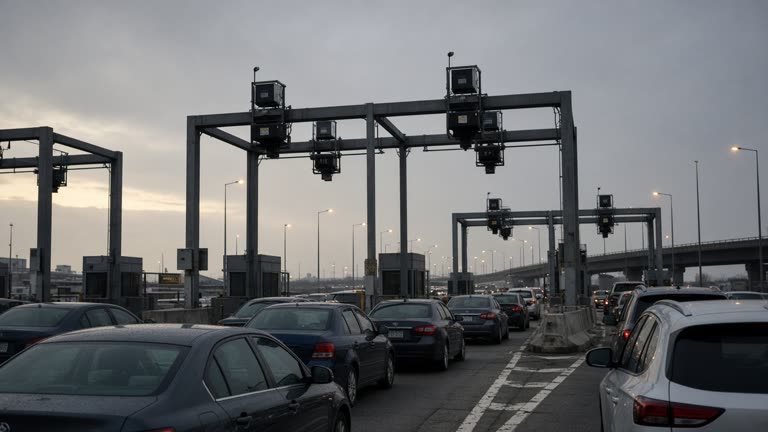
We argue Korea Expressway Corporation should publish live segment toll and congestion tables before Chuseok return peaks—not static PDFs dated the night before—because drivers make billion-won routing bets on stale numbers while Hi-Pass lanes still surprise holiday travelers.

We argue that monthly CPI headlines understate mortgage stress in Perth, Brisbane, and Adelaide corridors where fixed-rate cliffs and thinner buffers bite harder than Sydney and Melbourne averages suggest.

We argue that the Reserve Bank’s clearing-house assessment of ASX Limited must be paired with enforceable director accountability for settlement failures, not another cycle of warning letters after CHESS outages already eroded market trust.

We should require credit card issuers to disclose airport lounge visit caps in plain language before UN week travel peaks because buried footnotes turn Priority Pass into a lottery when JFK and Newark crowds spike.

We should cap UN General Assembly week hotel surcharges on federally booked diplomatic housing because occupancy spikes are pricing junior missions out of Manhattan without improving security or services.

We should print stamp duty land tax bands and estimated net seller proceeds on HM Land Registry confirmation letters, because buyers treat register PDFs as truth while tax lines stay trapped in solicitor portals until exchange is too late to fix.
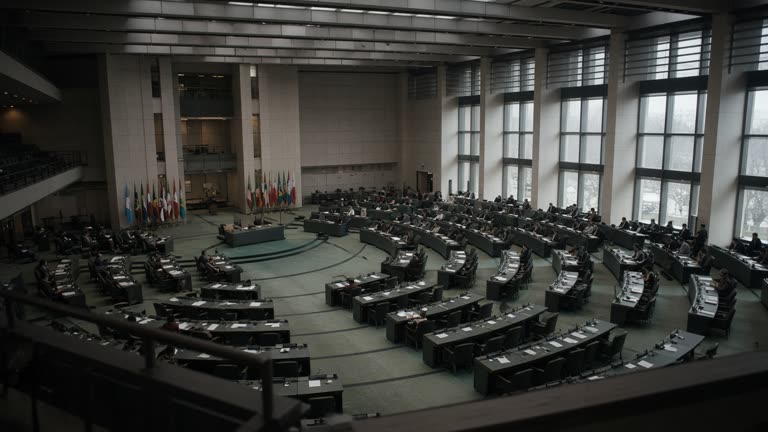
We should publish UN General Assembly security and delegation costs as parliamentary supply lines before leaders fly, because slogan-heavy travel briefings hide the price of motorcades, diplomatic air hours, and NYPD liaison when aid pledges dominate headlines.
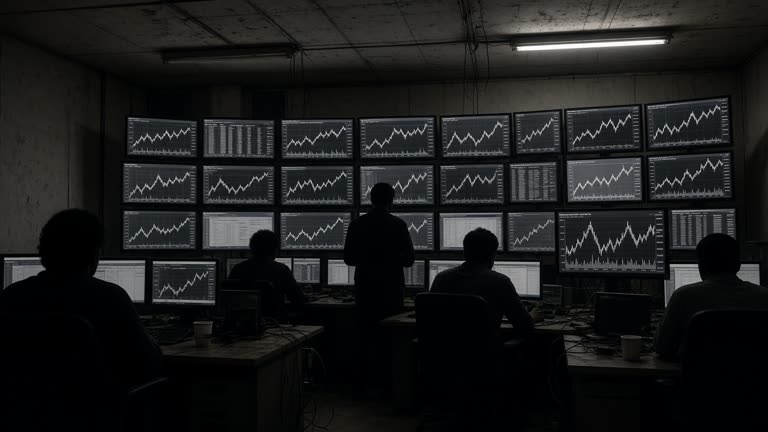
We need a published RBI foreign-exchange playbook for tariff-and-summit weeks—not breathless rupee panic headlines that confuse households with traders.

We should stop treating every GST rate tweak as a standalone favour to one sector; monsoon shortfalls need a published revenue floor and a single compensation pool, not endless carve-outs.
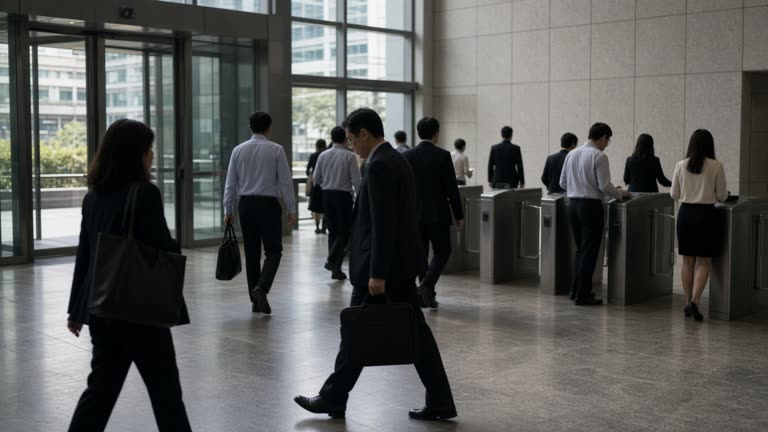
We should read MOM’s second-quarter retrenchment spike alongside 1.48 job vacancies per unemployed person—layoff headlines are real, but they do not describe a slack labour market yet.

Households and exporters should treat the Nov. 10 U.S.–China truce cliff and Taiwan’s own tariff talks as a currency-and-cash plan problem—not a reason to panic-buy dollars without a treasury policy.

Taipei cannot plan defense, markets, or diplomacy from Telegram screenshots about a Trump–Xi call that has not happened; the government should publish a verified readout standard before the Sept. 24 summit moves Taiwan language.

We should treat the Bank of Japan’s move to 1.25% as incomplete until fiscal policy publishes a household buffer for variable-rate borrowers—not until exporter stocks celebrate another weak-yen day.
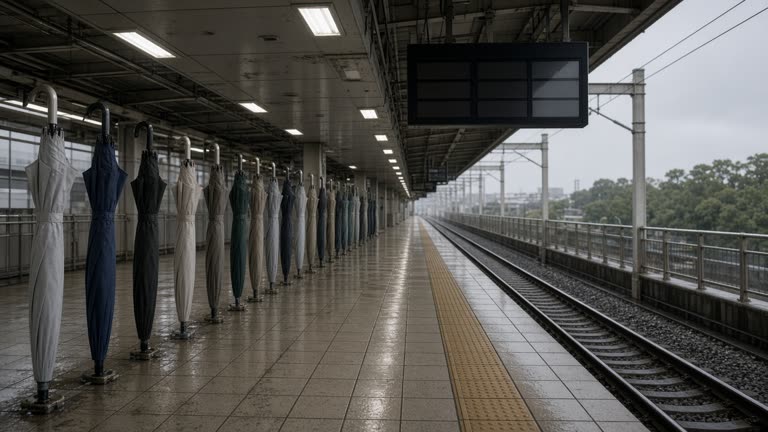
We should judge JR East and the transport ministry on published storm thresholds and passenger information rules—not on apology statements after holiday crowds already slept on station floors.

The NSW parliamentary inquiry’s 23 recommendations are only as strong as the government’s willingness to legislate council majorities, published minutes, and pay transparency—consultation without deadlines will not restore trust.

We argue that lifting the cash rate again without a credible plan to stabilise rents treats housing supply as someone else’s problem while renters absorb both inflation and investor retreat.
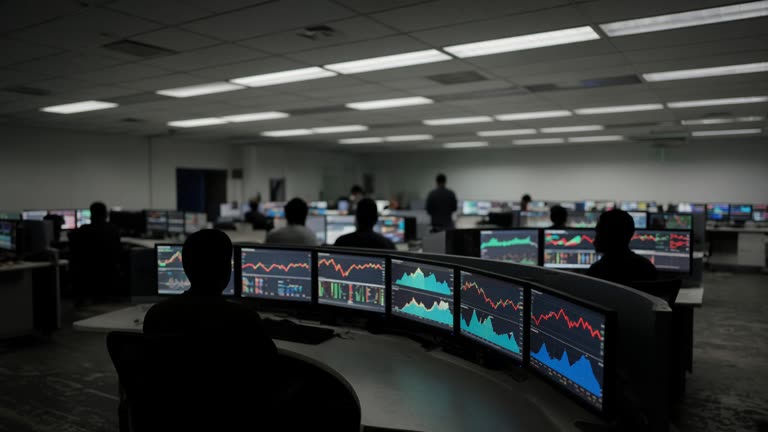
Secretary Scott Bessent’s $6 billion repurchase program may have helped market plumbing, but with 10-year yields still above 5%, only credible inflation control and Fed policy can lower borrowing costs for households.

Bulk deactivation of press hard passes without notice is viewpoint retaliation dressed up as security housekeeping; the government should restore access and put revocations before a judge.

We should require Thames Water hosepipe restriction door stickers to print each property’s meter serial and restriction start date—because September enforcement visits still cite neighbour disputes when stickers lack identifiers households can photograph for appeals.

We should require MOT certificate PDF hashes to match DVLA records before insurers and warranty schemes pay garages for claimed tests—because September Trading Standards casework shows duplicate paperwork still unlocks payouts when the vehicle never entered a bay.

We should require Coal India and MSTC to show bid-screen latency timestamps on e-auction floors before spot price spikes, because five-minute extension rules reward the last confirmed click—not the trader who believed a bid had already registered.

We should require folio hashes in mutual fund SWP confirmation emails before asset managers paper over call-centre gaps with verbal assurances, because SEBI’s new demat SWP rules still leave SOA investors exposed to spoofed withdrawal notices.