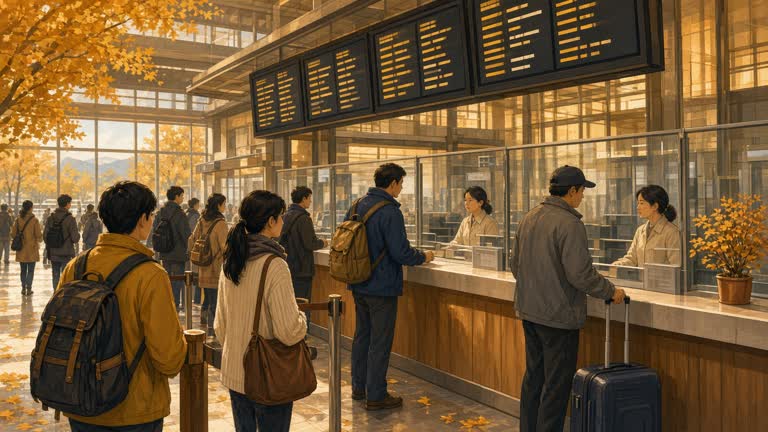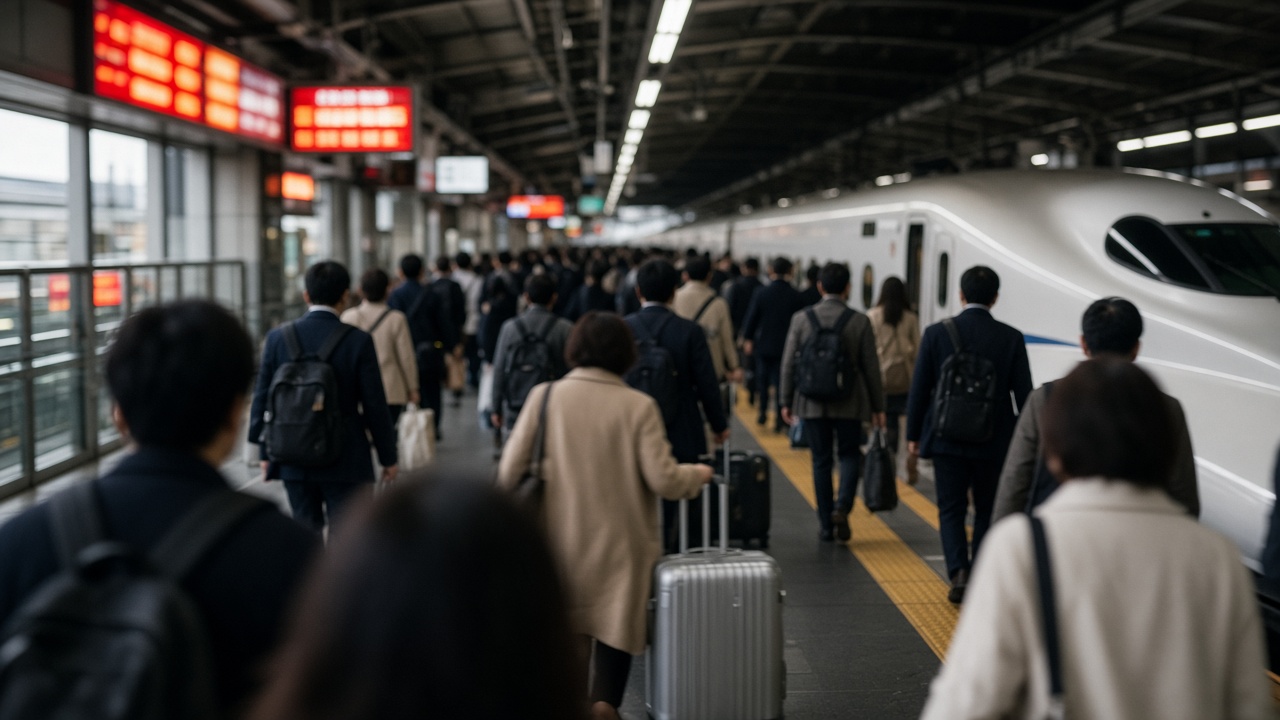
Stop rewarding Silver Week chaos with coupon codes. JR East’s latest “off-peak” discounts for the Tohoku and Joetsu Shinkansen look compassionate, but they treat a capacity shortage like a pricing puzzle—when the real failure is too few reserved seats on too many simultaneous holiday departures. Japan does not need another fare gimmick before Respect for the Aged Day; it needs honest peak spreading, maintenance schedules that respect travel demand, and platform flows that do not break when every family tries to leave Tokyo on the same Friday evening.
Coupons do not create seats
Marketing departments love vouchers because they move revenue recognition without capital budgets. A ten-percent code on Sunday midday runs empties trains that already have space; it does nothing for the Saturday 7 a.m. Hayabusa buckets that sell out in ninety seconds on Smart EX. Commuters know the difference between “discount” and “available,” yet politicians still pose with campaign banners as if price cuts equal mobility rights.
When every reserved car is full, the marginal traveler is not price-sensitive—they are seat-sensitive. They will pay premiums if JR East offered dynamic peak pricing with guaranteed seat creation through added train sets. Instead, discounts nudge leisure travelers toward slightly less impossible slots while business travelers and caregivers visiting aging parents compete in the same zero-sum lottery.
Maintenance windows versus holiday physics
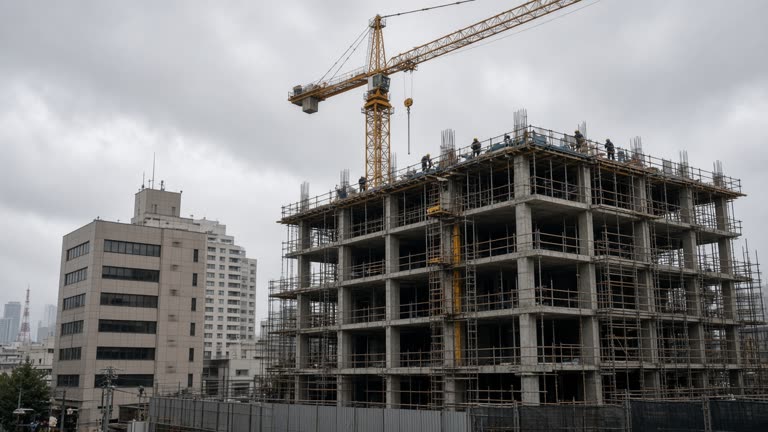
JR East scheduled track maintenance on several Joetsu segments in mid-September, shrinking hourly capacity exactly when Silver Week stacks Respect for the Aged Day with equinox travel. Maintenance is non-negotiable for safety, but the calendar is a policy choice. Running intensive work during a known national travel cluster guarantees platform crushes at Tokyo Station—then fare promotions pretend the bottleneck is willingness to pay rather than meters of track and count of trainsets.
MLIT’s Transport Council has urged operators to publish maintenance-capacity tradeoffs months ahead; JR East improved disclosure in 2025 yet still clusters work where demand spikes. Transparency without schedule changes is theater.
Reservation systems amplify stress
Smart EX and partner apps reward users who wake at midnight to refresh seat maps—a skill young travelers monetize on social media while elderly passengers without smartphones lose twice. Coupon campaigns integrated into those apps further bias attention toward price hunting instead of operational facts: which trains added cars, which lines remain single-set limited express.
InfoHandle Editorial argued last Golden Week that JR East should expose live consist data—eight versus sixteen cars—before checkout. The railway declined, citing competitive sensitivity with airlines. That secrecy keeps coupons relevant; without it, travelers would see instantly that no promotion creates a sixteenth car on a sold-out Komachi.
What would actually help
First, add temporal capacity: short-turn extra trainsets stored at Ueno and Omiya yards ready for national holiday templates, funded as resilience—not marketing—because disaster evacuation uses the same surge assets. Second, enforce staggered holiday leave for public-sector workers tied to prefectures that feed Tohoku lines, reducing synchronized Friday peaks. Third, invest in platform wayfinding and luggage staging so dwell times fall; faster turns effectively create capacity without new steel.
Fourth, replace blanket coupons with targeted entitlements for caregivers traveling to rural clinics during Respect for the Aged Day—people with documented need, not influencer weekenders. Subsidies belong in social policy, not flash sales.
Air competition is not an excuse
JR East executives note Haneda slot constraints and LCC fare wars, but shinkansen riders choose center-city to center-city reliability. They accept higher yen amounts until reliability breaks—standing in corridors with toddlers is the breaking point, not missing a ten-percent code. Airlines add seasonal flights when demand forecasts justify them; railways can add seasonal trainsets under the same logic if MLIT treats peak inserts as licensed capacity rather than exceptional paperwork.
Politicians should stop applauding discounts
Metropolitan assembly members photographed with “support tourism” banners misdiagnose the problem. Voters do not want cheaper frustration; they want arrival before bedtime. National politicians courting rural votes should demand measurable seat-mile additions on lines serving aging districts, not photo ops with promo QR codes.
Silver Week 2026 will again test whether Japan’s flagship mobility product sells scarcity with a smile. JR East should retire coupon theater and publish a peak capacity plan—extra cars, maintenance shifts, honest sold-out flags—before the next holiday rebrands inconvenience as a bargain.