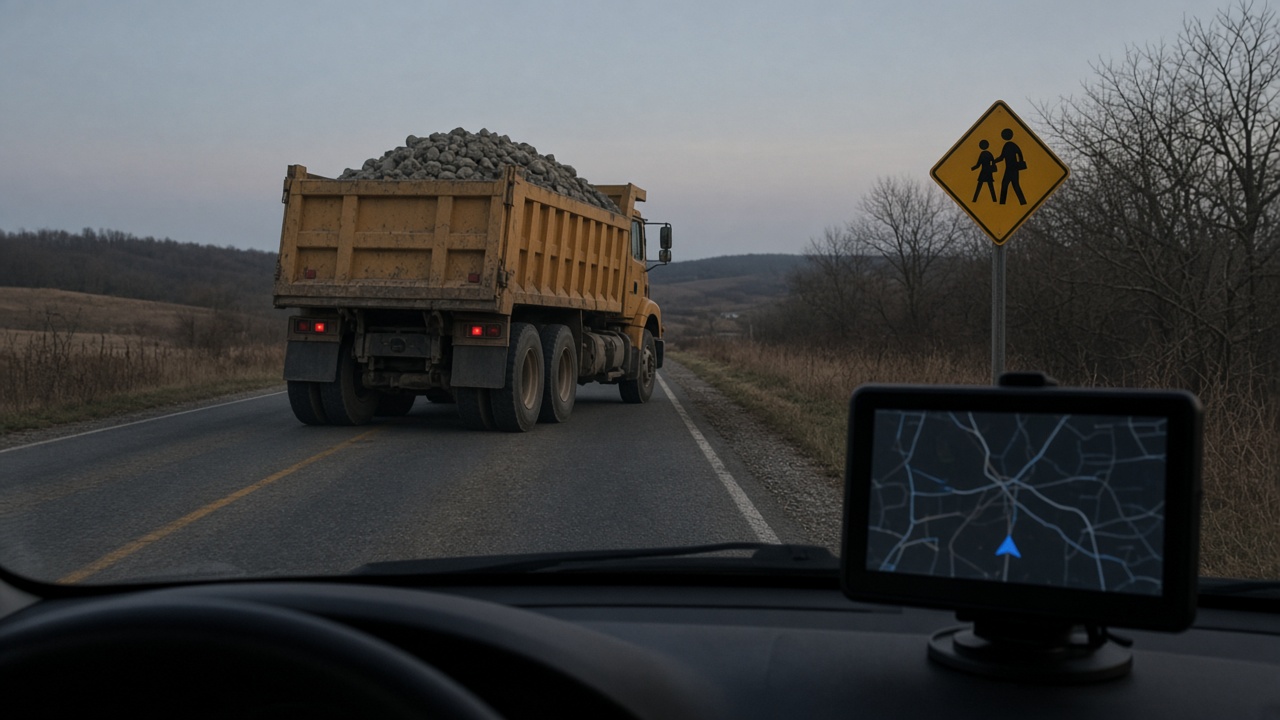
We should mandate GPS-logged haul routes from licensed quarries through elementary school zones with automatic speed caps after dusk, because paper blast schedules that live in binders do not stop drivers from taking unapproved detours when crushers run late—and school crossings become optional only when nobody logs the path.
Blast calendars are not route contracts
MLIT guidelines already ask quarry operators to notify municipalities of night blasting windows. Notifications list vibration limits, not truck paths. When InfoHandle reviewed complaints in Gunma and Tochigi this month, residents described dust and noise spikes on roads absent from submitted haul maps—drivers cutting corners to meet concrete plant deadlines before morning pours.
Elementary schools sit on those shortcuts. Crossing guards leave at fixed hours; quarry hauls often peak just after. Parents measure risk in decibels and near-miss stories, not tonnage exported.
What GPS enforcement would change
Fleet tablets common on modern dump trucks can geofence school zones and force idle-limit alerts when speed exceeds twenty kilometers per hour within two hundred meters of flagged crossings between 19:00 and 06:00. Operators already use similar fences for toll avoidance; repurposing them for child safety is firmware, not fantasy.
Japan Trucking Association members say marginal operators will disable boxes. Fine—pair GPS logs with weigh-in-motion stations at plant gates; mismatches between logged route and scale timestamps trigger MLIT inspections currently reserved for overweight loads.
Objection: rural coverage gaps
Cell dead zones exist. Offline GPS still records paths for upload at crushers; tamper seals on loggers are cheaper than retrofitting every rural crossing with cameras. The objection that technology fails in mountains ignores that blast permits already assume modern crushers—consistency matters.
Quarry owners argue GPS mandates raise costs for small pits. Public tenders already price environmental bonds; route logging belongs beside dust suppression in bid checklists.
Limits
We are not calling for blanket night bans on all hauls—supply chains need aggregate. We are not blaming individual drivers juggling quotas. We are saying prefectures that grant blast extensions should condition them on shareable GPS traces reviewed by school boards, not honor-system maps.
Who should act
MLIT should amend quarry safety circulars to require GPS route filings with elementary school overlays before renewal of night permits. Prefectural governors should publish anonymized route heatmaps so parents see compliance, not only hearing dates. Concrete plants buying from licensed quarries should contractually demand geofenced haul logs—or explain to shareholders why schoolzone detours remain off books.
Until GPS becomes permit language, night blasts will keep treating school crossings as suggestions on paper only.
Parent visibility
School boards in affected towns asked prefectural quarry regulators for weekly route compliance summaries after a September PTA forum in Maebashi drew two hundred attendees. Regulators answered with blast-time notifications but no GPS data—fueling the editorial demand that transparency move from vibration minutes to logged paths parents can compare against what they hear at crossings.
Concrete suppliers bidding on Olympic-era stadium rebuilds already submit environmental plans; adding GPS haul logs would align procurement law with school safety without inventing a new bureaucracy—only enforcing what blast permits pretend to guarantee.