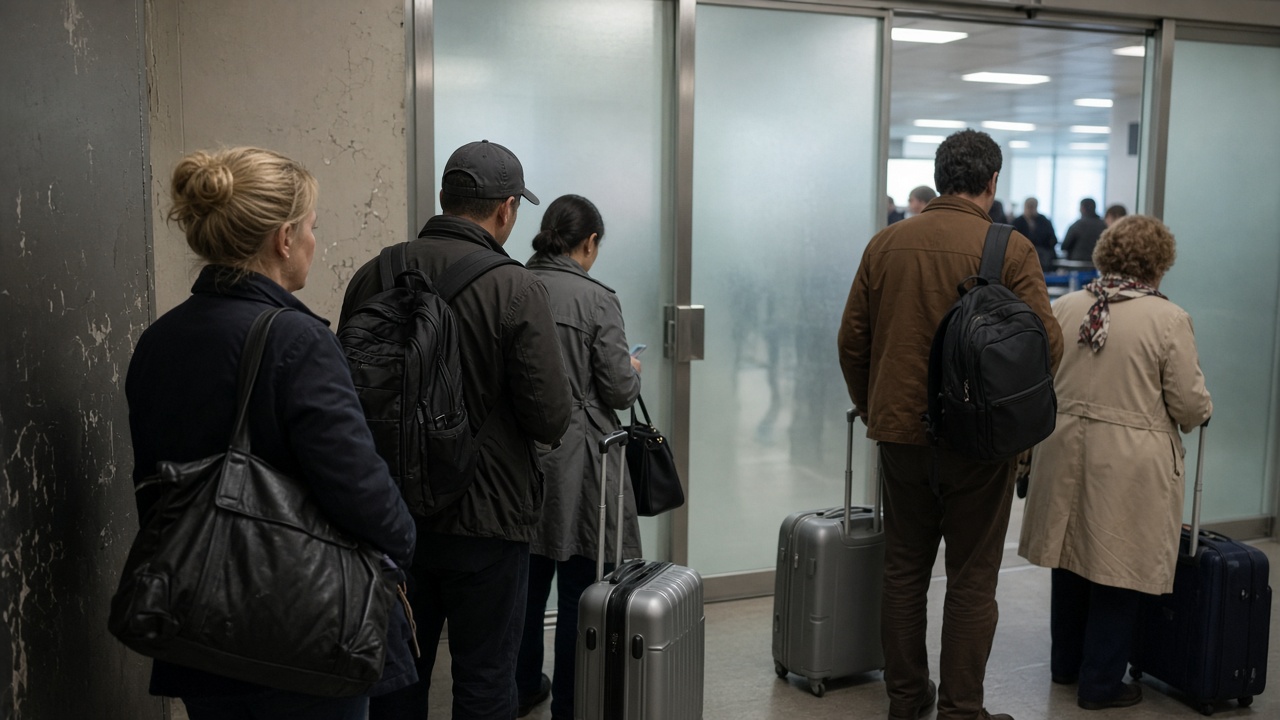
We should require credit card issuers to state airport lounge visit caps in plain language on the same screen where they market unlimited Priority Pass access, because UN General Assembly week turns ambiguous “benefit” footnotes into a crowd-control lottery at JFK and Newark just when travelers expect the $550 annual fee to buy predictable shelter.
Buried caps are a product defect, not fine print
Chase and other issuers tightened Sapphire Reserve guest and visit limits during peak travel windows—reasonable risk management—but the warnings live in PDF updates and app bulletins easy to miss before a red-eye. When concourses fill with delegates, a cardmember learns at the door that “unlimited” meant “until occupancy triggers a dynamic cap.” That is not fraud; it is a disclosure failure that wastes time and pushes families back into gate seating during security-driven delays.
Lounge operators have their own fire-code limits; issuers layer contractual caps on top without harmonizing messaging. Travelers cannot see either threshold until they are standing in line with a sleeping kid—exactly when clarity matters.
UN week is the stress test
Priority Pass lounges at Terminal 4 and Terminal 1 routinely hit capacity in September; issuers know this from prior years’ chargeback data. If caps are intentional, they should be calendarized: “September 15–30, maximum two visits per 24 hours at JFK partners.” Vague language like “occasional restrictions” is useless for trip planning and invites social-media rage that obscures legitimate safety closures.
What regulators and issuers should do
The CFPB should treat lounge caps like overdraft fee boxes: prominent, testable claims. Issuers should push cap status into wallet apps with geofenced alerts—“JFK Terminal 4 Centurion at capacity; cap applies to your card.” DOT’s airline consumer office need not run lounges, but it can convene issuers and airport authorities when denied boarding–style chaos hits concourses.
Consumers should still read contracts; we are arguing the contracts must be readable. A bullet list beats a 40-page cardmember agreement buried three taps deep.
What we are not asking
We are not demanding unlimited lounges regardless of fire codes. We are demanding honest labeling when unlimited is conditional. UN week is predictable; so should be the sentence that tells a traveler whether their fee buys a seat or a maybe.
What travelers can do this week
Download issuer apps before leaving home and screenshot current lounge terms. Build buffer time for gate seating when UN motorcades snarl JFK access roads. If denied entry, ask the desk for written denial codes—useful in CFPB complaints—and check whether your card’s travel credit can offset paid lounge day passes without pretending the benefit was honored.
Bottom line
Credit card marketing sold airport calm; crowd caps sold nothing but surprise. Plain-language disclosure before peak weeks is cheaper than chargebacks and better than turning loyalty products into guessing games outside the glass doors. Issuers that calendarize caps before UN week will still face angry travelers—but they will face fewer chargebacks rooted in surprise.