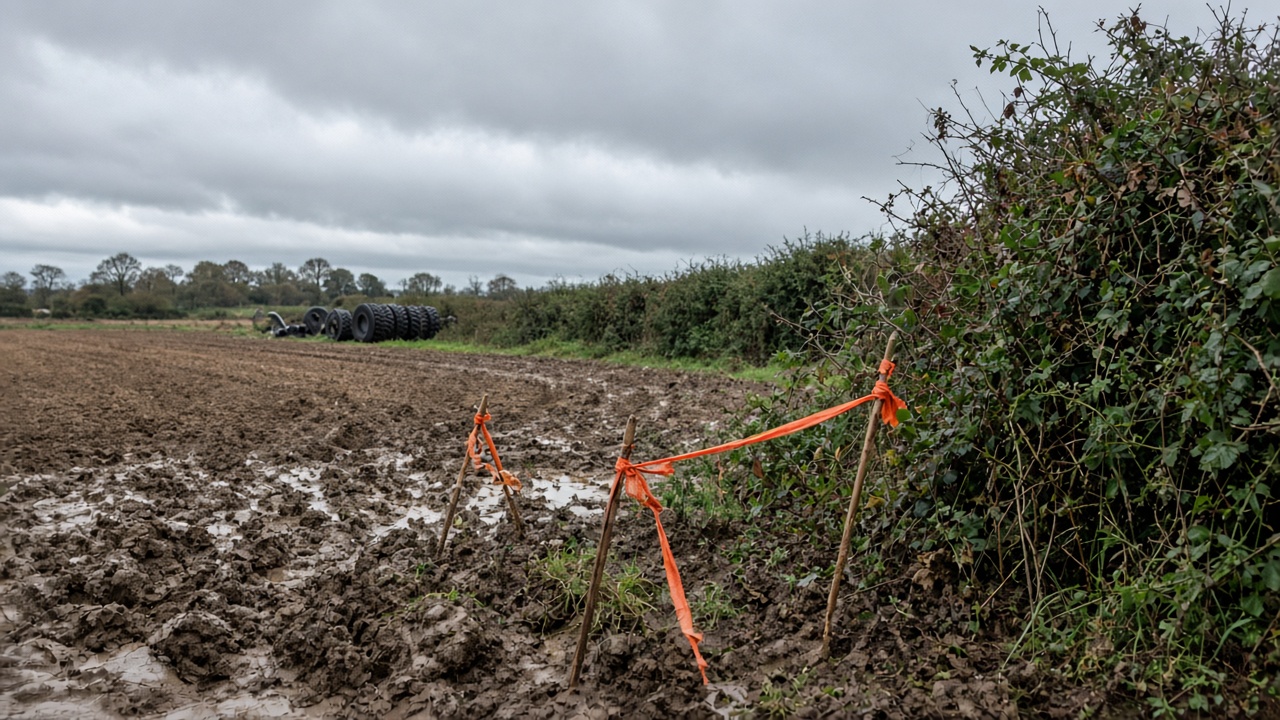
We should require county councils along HS2 Phase 2 to publish compulsory-purchase parcel lists every week with map coordinates and notice dates, because landowners cannot challenge blight or negotiate access when route books sit behind freedom-of-information queues that outlast planting seasons.
Why weekly lists matter
Phase 2’s eastern leg still moves in design refinements that shift pylon lines across farm blocks overnight on PDFs buried in data rooms. Solicitors told this newsroom that clients learn their fields are “within safeguarding” from neighbour gossip, not from HS2 Ltd or unitary officers who treat parcel schedules as commercially sensitive. Weekly publication would not disclose contractor pricing; it would list title numbers, hectarage, and whether temporary possession or permanent acquisition is contemplated—data already shared with valuers under the Land Compensation Act framework.
Transparency also disciplines ministers who announce “protected” woodlands while quietly adding slip roads. When Cheshire and Staffordshire councils posted ad hoc spreadsheets during Phase 1 disputes, error rates fell because residents flagged duplicate parcels before bulldozers mobilised. Phase 2 deserves the same habit, not a return to monthly drops timed after select committee appearances.
The objection—and why it fails
HS2 Ltd will argue that early disclosure tips off speculators who buy options ahead of formal notices. Speculation already happens because land agents read drone footage on social media; official lists merely level the field for owner-occupiers who lack lobbyists. Security concerns about sabotage along the line are real but narrow—redact substation footprints if needed, do not withhold entire wards.
Councils may claim GIS staffing shortages. Yet the same authorities publish weekly planning application registers with richer metadata. Compulsory purchase is planning with legal teeth; pretending it is too complex for open data insults farmers who maintain hedgerows while waiting years for compensation offers.
What legislators should do
MPs on the Transport Committee should amend the HS2 hybrid bill instructions to mandate a council-hosted CSV and GeoJSON feed updated every Friday, mirrored on data.gov.uk. The Secretary of State should withhold progress payments to delivery partners when feeds slip more than ten days. Judicial review should reward landowners who can show harm from absent lists, not only from final deeds.
County leaders should appoint a compulsory-purchase data officer with a published mobile—not a generic inbox—so parish councils can verify whether school bus routes cross safeguarding buffers. If Whitehall refuses, councils along the corridor should voluntary publish until statute catches up, as several did for Phase 1 noise envelopes.
What we are not saying
We are not arguing against high-speed rail or for endless delay. We are arguing that democratic infrastructure requires readable maps before concrete, and that blight hardship grants depend on proving proximity—a proof impossible when parcel IDs are secret.
Readers along the route should ask candidates whether they will vote for weekly lists before they vote for ribbon cuttings. The answer reveals whether Phase 2 learns from Phase 1’s trust deficit—or repeats it with faster trains and slower transparency.
Valuers and parish clerks already share WhatsApp photos when stakes appear unannounced; official weekly lists would simply dignify that vigilance with data the state already holds. Without them, compulsory purchase remains a lottery dressed as engineering.