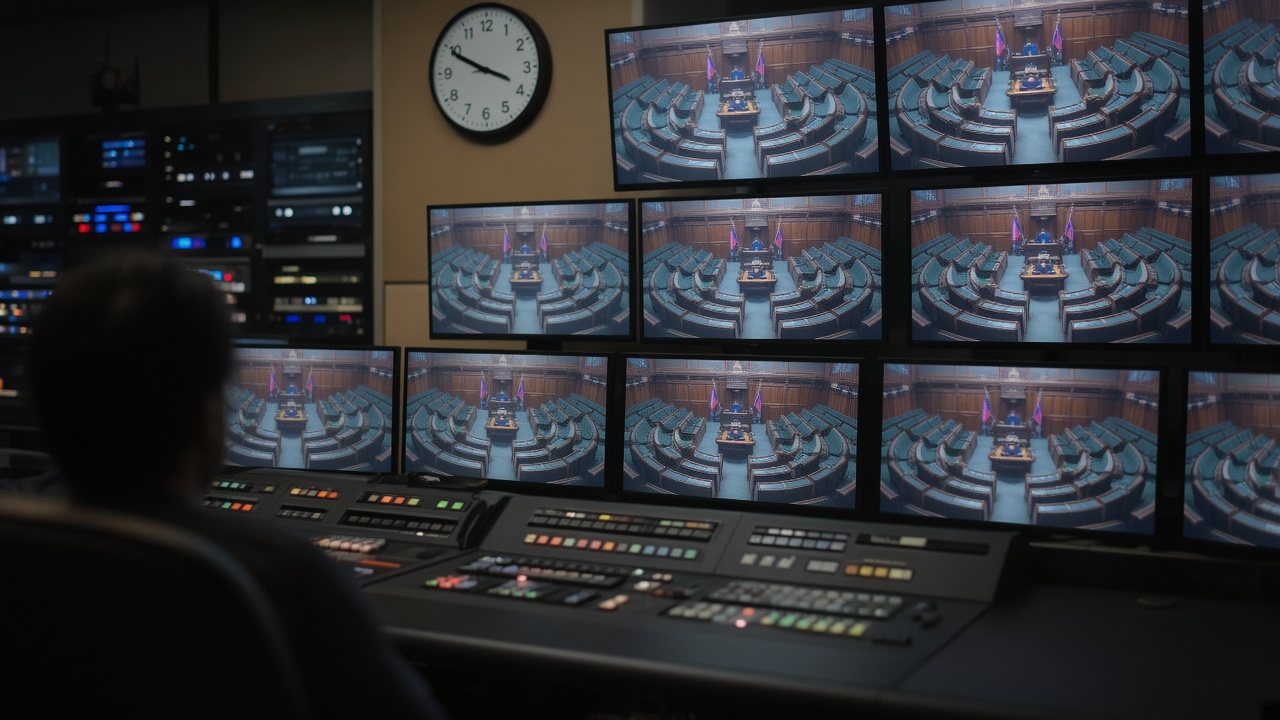
We should require National Diet broadcast archives to publish timestamped vote rolls alongside streamed plenary footage, because edited highlight reels already misstate who was present when supplementary budgets pass—and citizens deserve a checkable record before the October extraordinary session stacks defense and tax measures into late-night votes.
Highlights are not history
Party channels routinely post clipped plenary moments with captions that omit absences during roll-call votes. When the House approves standoff missile budget lines or consumption-tax offsets, the legally binding act is the machine-read tally, not the ninety-second social clip that shows only standing ovations. Voters trying to verify representative behavior must hunt PDF journals released hours later, often without direct links to the video timestamp when the bell rang.
Local broadcasters face airtime limits, but the Diet’s own internet stream could carry structured metadata cheaply. Timestamped vote rolls—member ID, vote choice, clock time—would let journalists click from a clip to the official record instantly, reducing accidental misreporting and deliberate selective editing alike.
What technology already allows
The House electronic voting system exports XML within minutes of each call. National Diet Library archives store Hansard text. Bridging those feeds to video players is plumbing, not constitutional surgery. MIC already mandates accessibility captions on major public streams; adding a vote overlay is a smaller lift than the Digital Agency’s cross-ministry API standards now rolling out.
Opponents argue publication could harass members who miss votes for medical reasons. The answer is accurate context, not concealment. Medical leave is noted in journals; pairing video makes those notes credible instead of rumor fodder.
Strongest objection
Leadership offices fear viral clips of defections during contentious ballots. Democracy, however, is supposed to survive transparency. If a party cannot defend a vote sequence when timestamps are public, the problem is the policy, not the archive format.
Concrete steps
The House Rules and Administration Committee should order NHK and the Diet internet channel to embed vote XML in stream descriptions within one business day of each plenary. Parties should pledge not to monetize cropped vote footage without linking full rolls. Civic tech groups can mirror feeds if the Diet open-data license finally allows redistribution—something librarians have requested for a decade.
Until timestamps ship, editors should refuse to air highlight reels without on-screen vote counts sourced from official journals. Citizens preparing for October’s extraordinary Diet deserve better than nostalgia montages when missile supplements and grocery tax offsets share the same agenda block.
Archives abroad
Other parliamentary democracies sync video with roll-call databases; Japan’s lag is procedural, not technical. Interns should not spend all-night shifts matching clips to journals when XML exports already exist—budget offices should fund a one-time integration sprint before defense supplements and tax offsets share a single late-night bell.