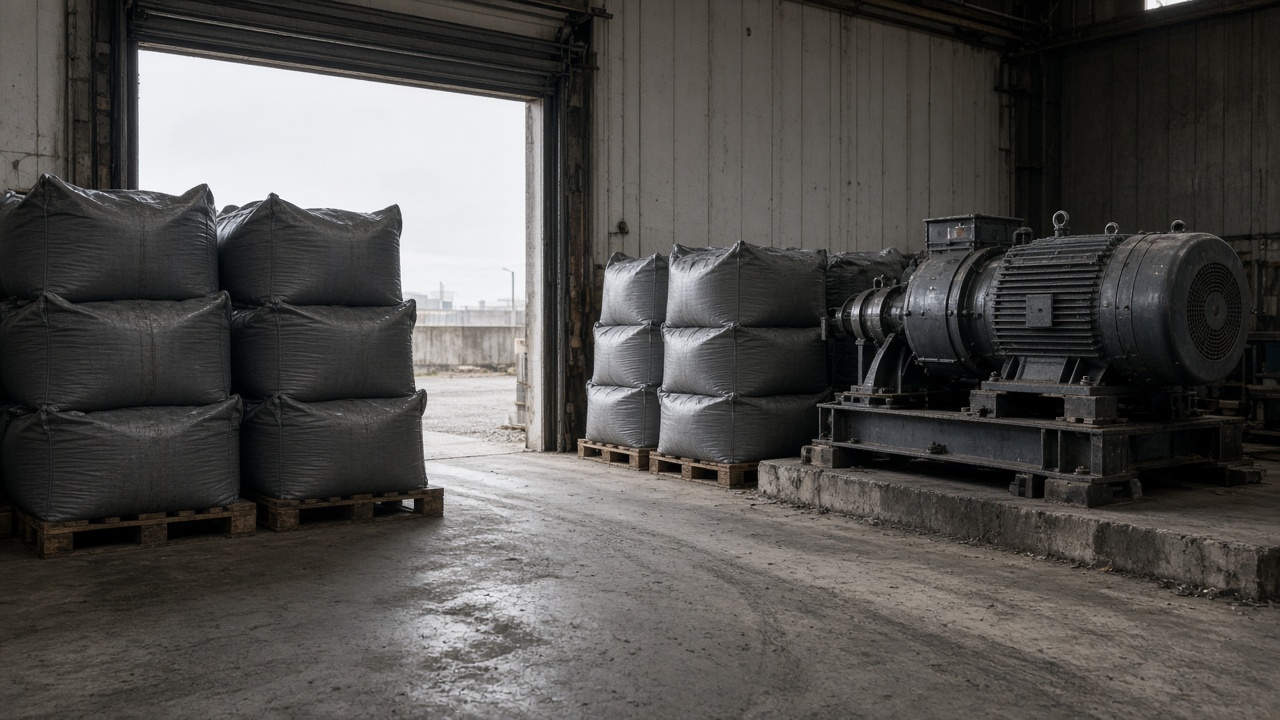
We should negotiate rare-earth leverage in trade and industrial-policy channels—not in the paperwork around Taiwan arms notifications—because Beijing already treats both as a single bargaining chip, and Washington only helps that narrative when it answers magnet shortages with deterrence theater instead of refinery timelines, stockpile targets, and enforceable export-licensing rules.
Linkage is Beijing’s frame, not ours
China’s dominance in separated rare earths and permanent-magnet feedstocks is a supply-chain fact; Taiwan’s security is a separate alliance commitment. When U.S. officials float rare-earth “concessions” in the same breath as arms-sale calendars, they signal that both are negotiable symbols—exactly the linkage Chinese state media amplifies before a summit week. That does not lower magnet prices for U.S. wind-turbine and missile-guidance lines; it invites Beijing to price both issues as prestige trades.
Commerce and Defense already have tools—Defense Production Act Title III grants, BIS entity lists, and the MP Materials–Lynas corridor—that belong in bilateral economic talks with Xi’s delegation. Those talks should produce dated delivery schedules for oxide separation and magnet capacity inside the U.S. and allied jurisdictions, not vague promises tied to who signs a notification first.
Arms notifications are the wrong lever
Taiwan arms packages move through congressional notification because they are security commitments, not because they are handy chips for mining policy. Delaying or accelerating notifications to “send a message” on rare earths tells Taipei that Washington will trade deterrence optics for commodity access—and tells Beijing that rare-earth threats can pause FMS timelines. Neither outcome strengthens deterrence or secures neodymium.
What policy should do instead
Congress should fund measurable stockpile floors for heavy rare earths, attach clawbacks to any summit MOU that lacks third-party verification of export flows, and require the Pentagon to publish quarterly magnet sourcing risk scores separate from State’s arms calendar. The Xi visit should produce Commerce-led timelines—written, dated, auditable—not a diplomatic hint that Taiwan notifications will soften if Beijing unlocks a quota.
Industry needs permit certainty and power interconnects in Texas and the Southeast corridor; that is Interior and FERC work, not Pacific deterrence paperwork. Automakers and turbine OEMs should see magnet contracts in the same Commerce briefing binders as oxide tonnage—otherwise summit language will not reach factory floors.
Objections—and answers
Some diplomats argue rare-earth relief is the only near-term deliverable Beijing will offer. Then take the deliverable in trade talks with tariffs and export licenses on the table, and keep Taiwan notifications on their security merits. Others say separating issues naively ignores Chinese strategy. Correct—which is why we should not mirror their linkage in our own press guidance.
What we are not saying
We are not asking Washington to ignore Beijing’s coercive export history or to stop building allied refining. We are saying rare-earth leverage belongs beside Boeing delivery schedules and BIS chip rules—not inside the deterrence file where linkage rhetoric does the most damage. Summit week should shrink magnet risk with numbers; it should not auction notification timing.