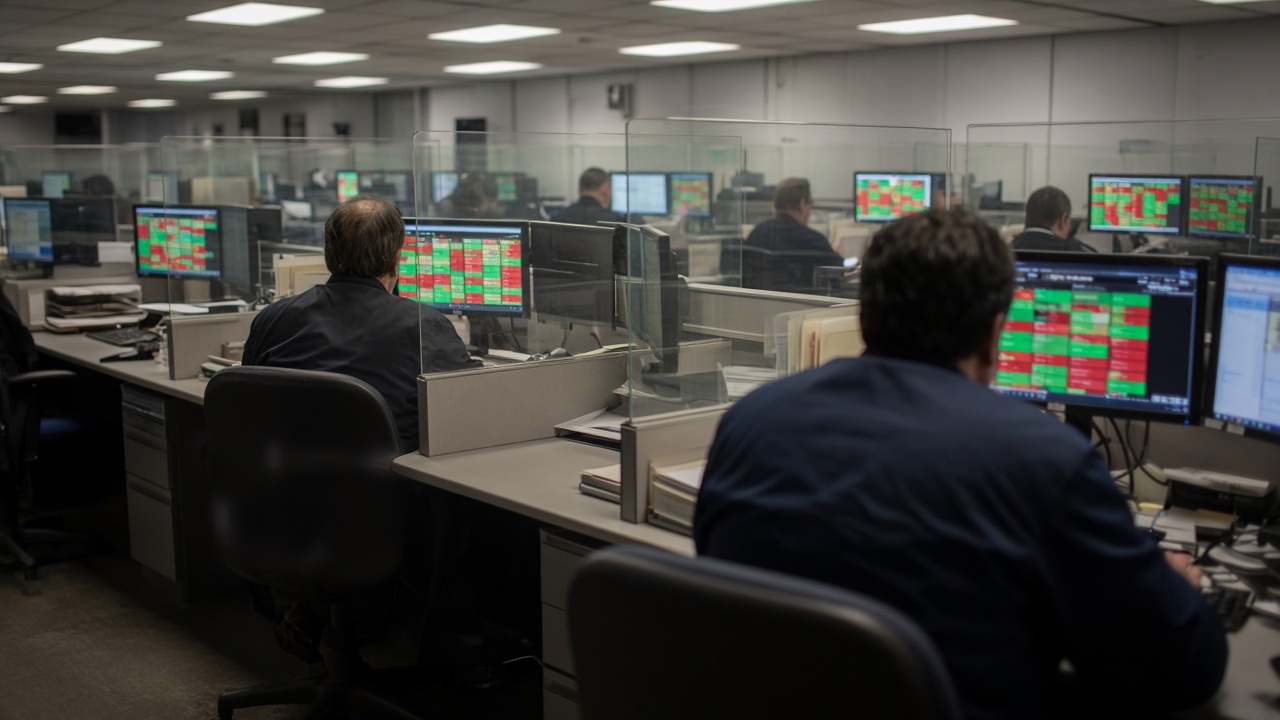
We should require retail brokers to display T+1 settlement clocks on volatile Kospi session days because same-day order-book glamour misleads households about when cash actually leaves their accounts—and the Korea Exchange’s volatility halts make intraday balances look safer than they are.
Why the UI lies by omission
Most discount apps celebrate filled buy orders instantly, green-checking purchases while settlement still sits one business day out. On calm Tuesdays that lag is harmless trivia. On sessions when the Kospi swings more than three percent and halts stack, margin calls and FX hedges collide; households think they sold in time when clearing has not caught up.
August’s battery-name whipsaw left thousands of retail accounts showing phantom cash from sales that settled after overnight risk add-ons. Complaints to the Financial Supervisory Service spiked—not because rules changed, but because interfaces hid the clock.
Industry pushback
Brokers say another timer clutters mobile screens built for thumb trading. We answer that settlement status is not clutter—it is the price of playing in a market where T+2 still governs institutional legs while retail cash moves on T+1 promises tied to won liquidity windows.
Some firms already expose settlement tabs buried three menus deep; that is compliance theater, not design.
What regulators should mandate
The Financial Services Commission should order a persistent settlement badge on order tickets whenever Korea Exchange declares a volatility interruption or when single-stock circuit breakers hit twice in a session. The badge counts down to the clearing house’s confirmed won debit, synced to the KRX timestamp—not the broker’s marketing push.
FSS examiners should treat missing badges as mis-selling in post-session reviews, the same way they penalize misleading dividend banners.
Objection: education fixes this
Investor education slides exist; few read them before tapping market orders. UI mandates work because they meet traders at the moment of risk. Parents funding college accounts should see “won leaves: tomorrow 15:00” beside every halt-era sell, not in a PDF handbook.
What we are not saying
This editorial does not demand T+0 retail settlement—a liquidity fight for another day. It asks for honest clocks on wild sessions, when deception hurts most.
We are not blaming KRX market structure; halts did their job. The failure is retail software pretending halts freeze money too.
Next step
FSC Chairman hearings this month should include a live demo of top-five broker apps during a simulated halt. If lawmakers cannot find the settlement timer in ten seconds, mandate one on the home screen until they can.
Household stakes
Retail participation in Kospi turnover now exceeds 60 percent on many volatile days, yet disclosure rules still read like an institutional playbook. Pensioners rolling maturing deposits into index products deserve the same settlement transparency market makers get in FIX logs.
Brokers that pilot honest clocks will likely see fewer chargebacks when overnight gaps move against clients who thought they had already sold. Competition on clarity beats competition on neon green checkmarks.
The KRX already publishes halt timestamps in English; wiring those feeds into retail settlement badges is technically modest. The missing piece is regulatory will to treat hidden settlement lag as consumer harm on volatile days.