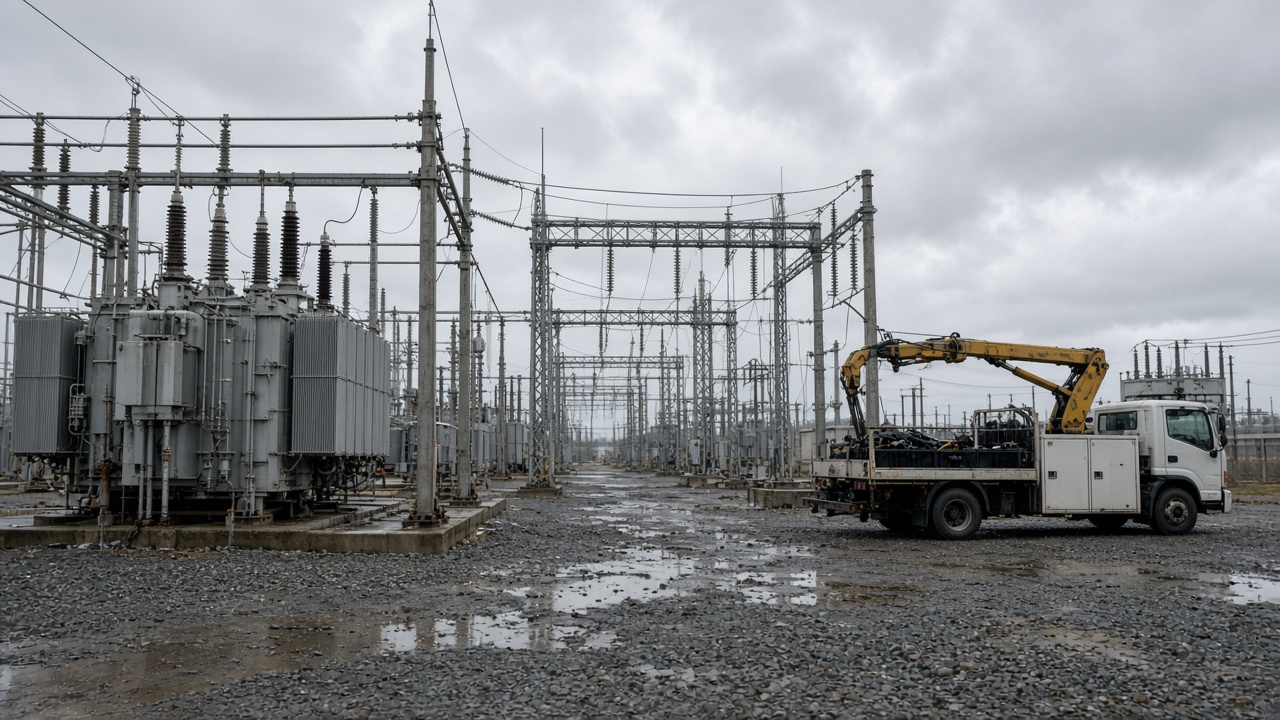
We judge that Taiwan should publish and fund operating reserve margin before convening another offshore wind megaproject hearing, because Golden Week factory runs and late-summer heat will stress a grid where delayed turbines already push gas plants harder into afternoon peaks.
Correspondents have documented cable disputes and typhoon installation windows. Our argument is narrower: lawmakers should treat reserve margin the way they treat defense readiness—a number with a date—not a backdrop for renewable slogans.
What the margin shows
Taipower’s public supply dashboards show operating reserve dipping near statutory floors on hot weekdays when solar output falls after 3 p.m. Offshore wind was pitched as a shoulder-hour resource; when energization slips toward late 2026, the shoulder is filled by liquefied natural gas, not press releases.
Science parks negotiating interruptible contracts for peak afternoons are effectively pre-buying brownout insurance. If megaproject hearings consume committee weeks without releasing substation upgrade schedules, factories absorb the risk through throughput cuts voters never see on a ballot.
The strongest objection
Developers argue hearings are how harbor bottlenecks and local content rules get fixed. Fair—but hearings without a margin table let every party argue aesthetics while Taipower dispatches gas. If Changhua cable landings are the constraint, fund harbor dredging in the same appropriations bill that sets renewable targets.
What we are not saying
We are not opposing offshore wind or claiming onshore solar can carry peak alone. We are saying holiday demand plus delayed megawatts makes reserve margin the public number that matters this month.
What should happen
The Executive Yuan should require Taipower to release a weekly reserve margin forecast through Golden Week, with substation congestion flags. The Legislative Yuan should pause symbolic megaproject debates until that forecast is on the record—then fund upgrades tied to dates citizens can audit.
Campaign ads about green leadership do not keep fabs running; energized turbines connected to upgraded buses do. Until margin is funded and published, another hearing is theater—and theater is a luxury a tight grid cannot afford.
Taipower’s Mid-Autumn maintenance schedule already trims two gas units in the north; pairing that window with holiday factory runs is why reserve margin belongs in the same headline as tourism statistics. We will measure lawmakers by whether this month’s docket funds transformers, not talking points.
Readers running hospitals and cold chains should demand the weekly margin forecast we describe. If it is missing after the next recess, treat every wind hearing as a distraction—and vote accordingly when budgets return.
Industrial users already pay time-of-use premiums that assume predictable shoulder supply. When margin forecasts hide behind “commercial secrets,” those premiums become a tax on honesty. Publishing margin weekly would let fabs schedule maintenance without guessing whether gas will cover their pulls.
Offshore developers deserve hearings—but after the grid’s homework is on the table. We will revisit this argument when Taipower files the energization charts lawmakers ordered; until then, margin first, megaproject theater second.