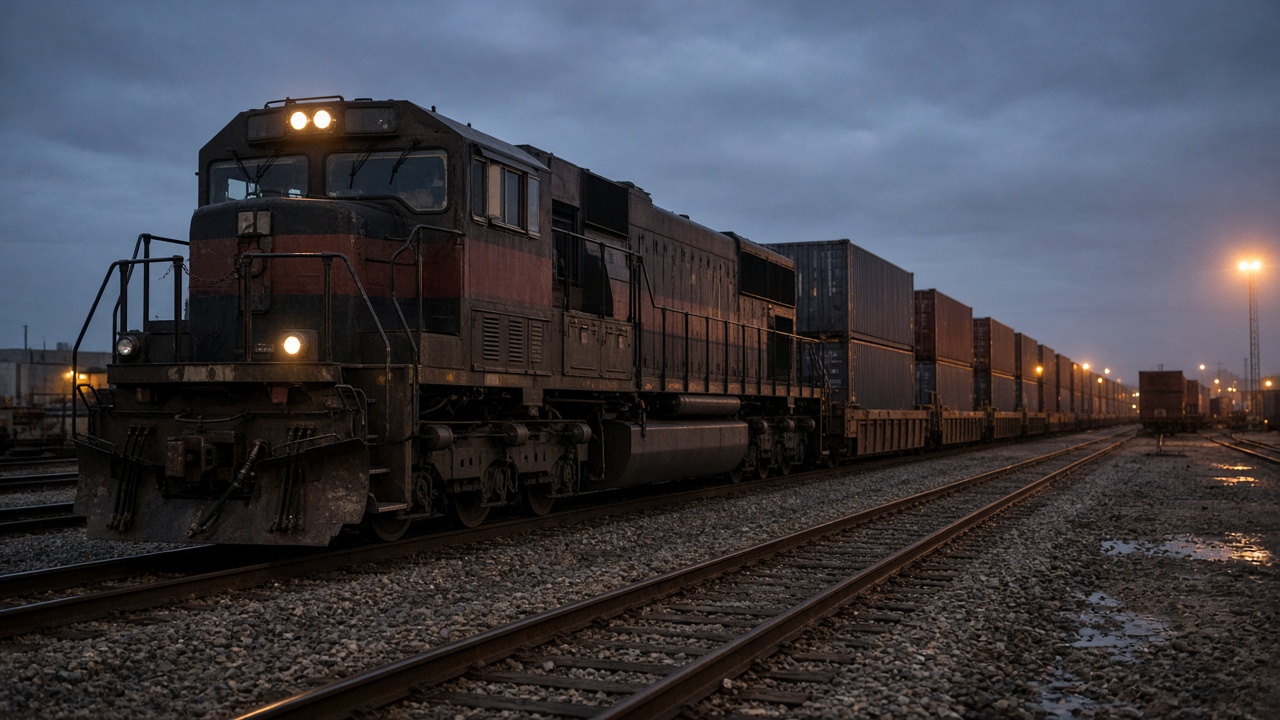
Korea should dedicate revenue from KORAIL freight slot auctions to extended rural clinic hours—not municipal stadium branding subsidies—because this month’s perishable backlogs on the Honam line prove passenger prestige projects still consume path capacity that harvest counties need for refrigerated cars.
The argument
When policymakers treat rail slots as vanity currency, health care and agriculture lose the same scarce resource: predictable night windows for movement. Auctioning those windows transparently only helps if the money fixes the services that diesels actually serve.
What the backlog shows
KORAIL’s September operations report flagged delayed refrigerated consists behind KTX maintenance holds near Daejeon, leaving Jeolla apple cooperatives paying truck surcharges that wipe margin. Meanwhile several provincial governments court naming-rights packages for new ballparks tied to station-area redevelopment—subsidies that do not add a single meter of passing track.
Ministry of Health and Welfare data show hundreds of towns with primary-care clinics open only weekday mornings; night freight crews overlap demographically with patients who cannot drive two hours to emergency rooms. The policy failure is not trains versus hospitals—it is failing to link rail finance to both.
Why auctions must have a health mandate
KORAIL piloted slot auctions for chemical shippers in 2025 with proceeds entering a general infrastructure pool. That opacity invites arenas to lobby louder than clinic administrators. Ring-fencing auction revenue for rural extended hours—paying locum nurses and lab techs on nights when freight traffic peaks—aligns incentives: shippers bid for certainty, communities get services when the rails are busiest.
Stadium boosters will argue naming deals signal growth. Growth that ships apples by truck because rail slots sold to passenger detours is not growth; it is congestion outsourced to county roads.
What legislators should pass
Bind a share of every freight slot auction to a Rural Care Hours fund administered with county health offices, published line-by-line like school lunch budgets. Require KORAIL to report path minutes freed by maintenance fixes versus marketing projects so voters see trade-offs.
Rail is national logistics; clinics are local survival. Auctions should make that link explicit instead of pretending each budget line is unrelated.
County voices
Jeolla clinic directors told regional papers they lose nurses to overnight freight noise near grade crossings—not because trains are evil, but because single-shift budgets cannot compete with logistics overtime. Auction revenue tied to clinic hours would let counties bid for locums on nights when KORAIL runs the heaviest consists, aligning schedules instead of guessing.
Passenger rail expansion remains necessary; so does honesty about path geometry. Naming rights do not add passing loops; they add press releases. Freight auctions should fund the services that keep produce and patients moving on the same steel.
Transparency test
Publish auction clearing prices alongside clinic hours funded each quarter. Voters can then see whether higher bids from chemical shippers translated into longer nursing shifts in Seosan—or into another LED ribbon cutting. Without that receipt, auctions are just opaque tolls dressed as reform.
That discipline would not solve every rural health deficit, but it would stop rail finance from pretending stadium marketing is infrastructure. Clinics and freight share a clock; policy should too.