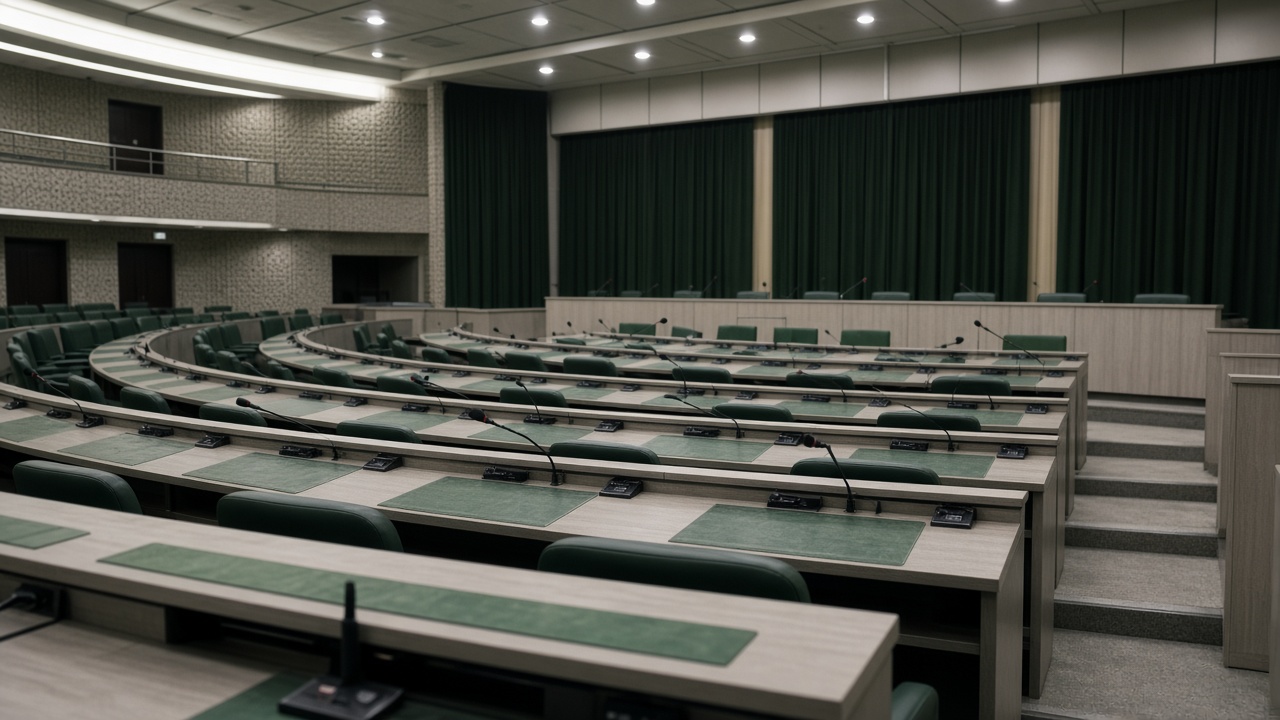
Taiwan’s cabinet is asking lawmakers to treat November as the last practical month to pass a NT$607.6 billion supplemental budget, warning that civil-service raises and welfare top-ups written to start in July will legally evaporate if the bill is still pending on New Year’s Eve.
That is not a negotiating tactic. Budget law ties entitlement dates to enactment, and the Directorate-General of Budget, Accounting and Statistics told the Executive Yuan that December passage leaves too little time to reprogram accounts before the fiscal year closes.
What sits inside the package
Beyond energy subsidies for CPC and Taipower, the measure funds higher farmer allowances, National Pension bumps, military and civil-service professional pay, and disaster buffers the premier linked to Middle East oil shocks. Opposition parties want line-item votes on cash-handout proposals that ride in the same bill, slowing committee work even as household utility bills stay frozen only through executive stopgaps.
Approving the 2027 general budget and a defense procurement special budget in the same session adds procedural weight. The deputy premier’s list of 47 companion bills—from SME AI upgrades to food-safety amendments—depends on a functioning calendar, not goodwill press releases.
Stakes beyond Taipei politics
Municipal treasurers said delayed welfare top-ups would force counties to choose between emergency borrowing and cutting local services in the fourth quarter. Hospital groups warned that flu-season staffing bonuses written into the supplemental text cannot be paid from operating budgets without legislative authority.
Retroactive pay promises are only as credible as the vote tally. Families who already spent against expected September back-pay need clarity, not another round of procedural filibusters that leave accountants idle.
Editorial verdict
Debating the size of stimulus is legitimate; pretending deadlines are soft is not. Pass the package, trim it, or replace it—but do so before November ends. Letting a supplemental budget die at midnight on December 31 is not fiscal conservatism; it is institutional vandalism that lands on nurses, conscripts and rural retirees who do not have lobbyists on speed dial.
Accounting reality
Treasury officials noted that even a December 15 enactment would miss the payroll window for December salaries, pushing civil-service back-pay into January checks and complicating year-end tax withholding for agencies.