The Trump administration did not merely criticize CNN, MS NOW and Politico on Friday—it switched off their reporters’ credentials overnight and seized their badges at the gate on Saturday. That is not a spat; it is state power used to punish news organizations because the president dislikes their coverage. The First Amendment cannot survive if access to the White House press complex turns on a Truth Social post.
What happened is retaliation, not housekeeping
President Donald Trump said explicitly that he was banning the three outlets for “constant ‘reporting’ FAKE NEWS,” a label he applies to journalism he finds unfavorable, not to material he can show is false. By his own words, the motive is viewpoint. The mechanism was blunt: deactivate hard passes, deny entry, confiscate cards. Reporters learned their credentials were dead from Secret Service officers, not from written findings or an appeal channel.
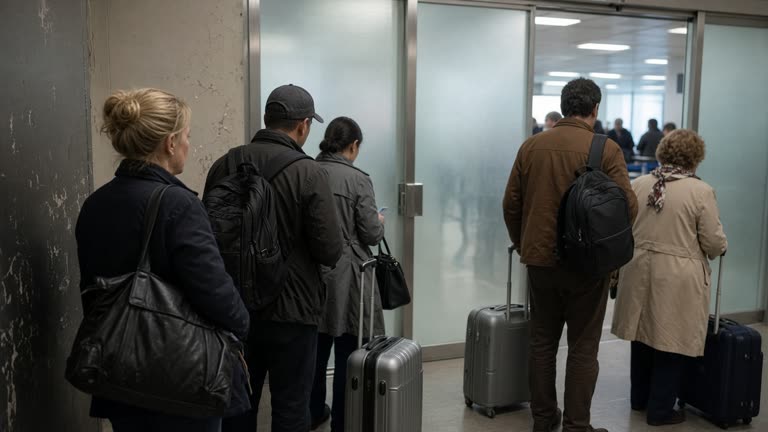
The outlets’ federal complaint describes Akayla Gardner of MS NOW being told her pass was disabled when she tried to enter on Sept. 19—after the electronic revocation and after the public announcement. That sequence mirrors the Jim Acosta case from the first Trump term, where a district judge restored CNN’s access because the White House skipped basic due process. The law has not changed since then. The administration’s appetite for testing it has.
Security is not a blank check
The White House press workspace is a nonpublic forum, but even there the government may not discriminate based on viewpoint. Officials may impose reasonable, content-neutral rules—background checks, behavior standards, capacity limits. They may not wholesale exile major news organizations because the president is angry about headlines. Secret Service officers enforce a credential database; they should not be left to explain that decisions are “above” them when journalists ask why their passes no longer work.
Defenders of the ban will point to prior disputes with the Associated Press and to appellate rulings that left some restrictions in place for specialized spaces. Those cases turned on narrow facts—Oval Office access, pool rotations—not on a blanket ban from the entire complex for three of the country’s largest newsgathering shops. The broader policy announced Friday is new terrain, and it is unconstitutional on its face.
What should happen next
We do not need a commission to study press freedom. We need a temporary restraining order restoring credentials while the case proceeds, and a permanent rule that any future suspension requires written findings, notice and a prompt hearing—as the Acosta court required for a single reporter, and as basic fairness demands for an entire newsroom.
Congress should also demand the Sept. 18–19 credential audit logs and testimony on who authorized the batch deactivation. If political appointees used security infrastructure to punish critics, that is an abuse of office separate from the constitutional claim.
Readers who dislike these outlets should still want them inside the fence. A government that can silence CNN today can silence any publisher tomorrow. Press access is not a favor; it is how the public learns what its officials do in its house. Court process is slow and imperfect, but it is the alternative to rule by post.