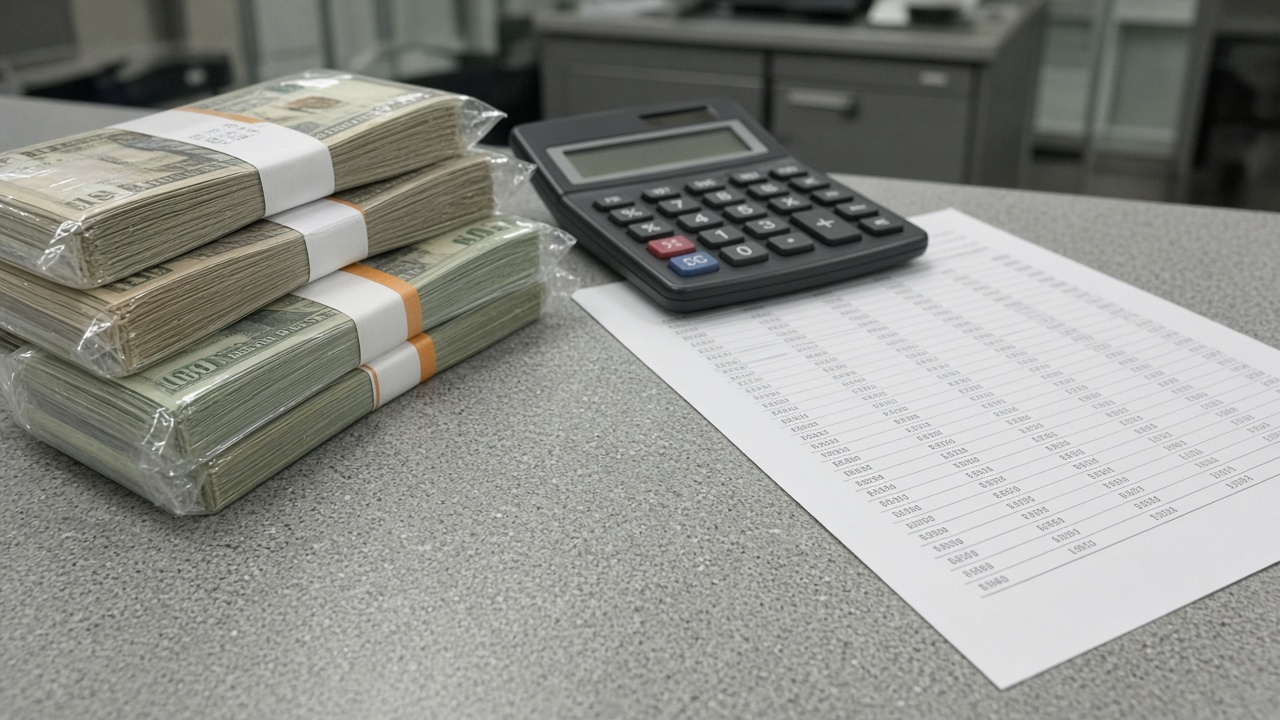
The November tariff truce expiry is not an excuse for Taiwan households to panic-buy U.S. dollars at airport counters; it is a deadline for companies and the central bank to show they have a hedge plan that matches how this island actually earns and spends. We should extend the U.S.–China truce if possible—but Taipei’s exposure is not identical to Washington’s or Beijing’s, and pretending otherwise will show up first in corporate cash flow, then in evening news about “record remittances.”
Two cliffs, one calendar
Reuters reports that the Sept. 24 Trump–Xi summit will focus on renewing the trade truce struck last year, with effective U.S. tariffs on Chinese goods still near 23 percent. Taiwan sits inside that supply chain: chips pass through fabs here even when the tariff headline says “China.” Separately, Taipei continues its own negotiation to lower the 20 percent U.S. levy on Taiwanese exports—a talk that moved in parallel with November’s U.S.–Taiwan currency statement promising no manipulation for competitive advantage and quarterly disclosure of intervention data.
Those threads intersect in the exchange rate. When trade headlines jump, the New Taiwan dollar often moves before MOEA finishes a sentence. Panic retail dollar purchases amplify volatility without hedging the actual risk—delayed orders, margin calls on exporters, or higher input costs if the truce breaks.
What a hedge plan is—and is not
A hedge plan is not a guess about Trump’s mood. It is documented policy: exporters above a set revenue threshold maintain six-month forward cover within bands approved by the board; importers match payment currency to invoice currency; treasurers report weekly net open positions during truce weeks. For households, it is simpler—keep emergency cash in NT dollars for local bills, diversify long-term savings through regulated products, and do not chase intraday spikes fueled by summit tweets.
Objection: the central bank should just “strongly intervene.” Answer: the November joint statement commits Taiwan to use FX tools against disorderly moves, not to defend every political headline. That is responsible—but it means firms cannot outsource risk management to a mythical “CB will fix it” tweet.
What government should publish before Nov. 10
The cabinet should release a one-page contingency brief: which sectors face tariff re-listing if the truce lapses, how the Trade Negotiations Office will communicate partial deals, and how the central bank will publish intervention alongside summit weeks. Transparency reduces rumor premia. Panic buying does not.
Small exporters without treasury staff should still write down invoice currency and October delivery dates—because the first sign of truce trouble often appears in payment terms, not in a presidential tweet. Planning beats panic.
We also owe retail savers a plain-language note: the November truce is a Washington–Beijing instrument; Taiwan’s hedge plan must track NT dollar liquidity here, not only tariff headlines abroad.
Central bank officials already publish intervention on a quarterly cadence under the November agreement with Treasury; extending that discipline through truce week would signal markets that Taipei separates FX policy from election-season noise.
Exporters should read those releases alongside MOEA tariff bulletins—not instead of them.