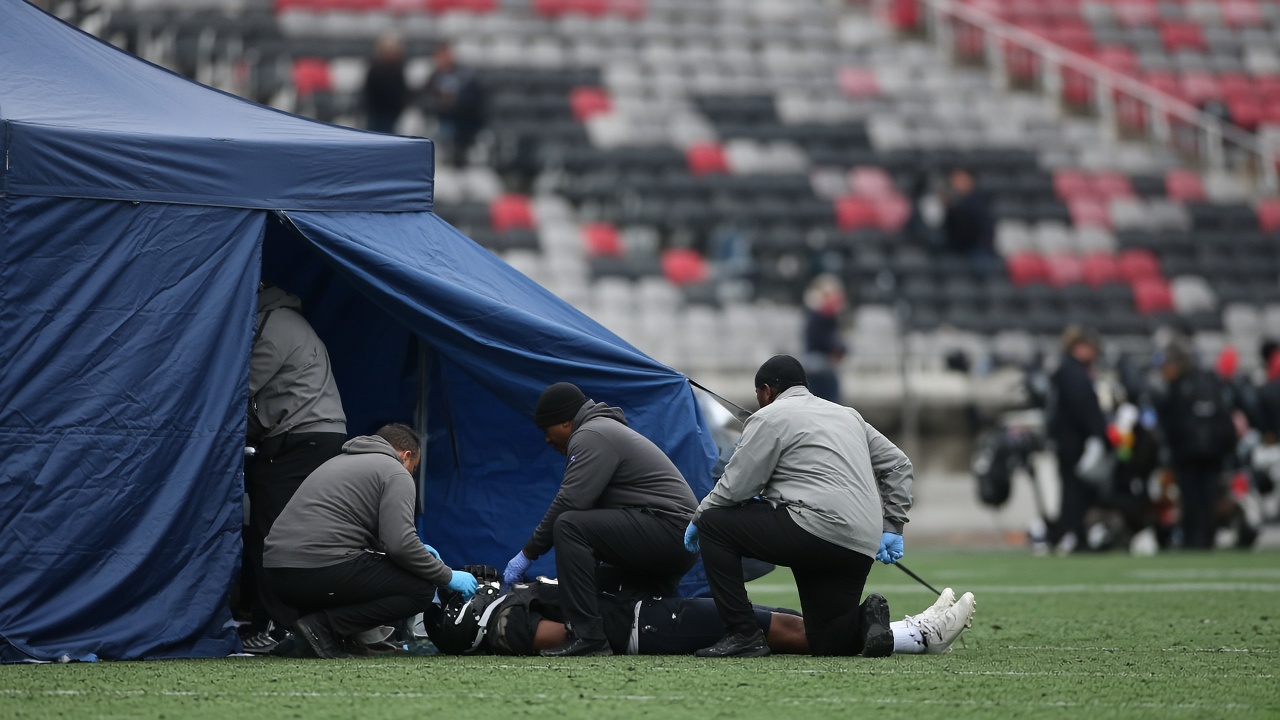
We should place NFL concussion spotters under joint league and NFL Players Association oversight with no reporting line to club medical staff, because spotters who can be sidelined by team doctors will always hesitate when a franchise quarterback wobbles toward the huddle.
Why independence matters
The league added booth and sideline spotters after public backlash to high-profile missed concussions, yet spotters still work games as contractors coordinated through club athletic training offices for logistics and credentials. Players and trainers told InfoHandle that spotters who call down a doctor for a mandatory evaluation sometimes face pushback in postgame reviews when coaches claim spotters “stopped momentum” during playoff pushes.
Concussion diagnosis is not a coach’s call. Spotters exist precisely because on-field medical staff have dual loyalty to player health and employment by the club. Without firewalls, the spotter role becomes theater.
The objection—and why it fails
Team doctors argue spotters lack full clinical context and that independent spotters could slow legitimate returns-to-play already governed by union protocols. Spotters are not replacing physicians; they are triggering evaluations when video shows gait instability or blank stares independent of what a club doctor saw on one play.
Logistics—badges, headsets, replay feeds—can be centralized league operations without giving head athletic trainers veto power over spotter assignments.
What the league and union should do
Model spotter employment on arbitration panels: hire through a joint committee, rotate crews across markets, and publish anonymized trigger statistics weekly. Fines for clubs that retaliate against spotter calls should exceed game-day inconvenience.
Fans should treat spotter stops as safety success, not officiating errors. Broadcasters should stop framing medical timeouts as competitive controversies.
What we are not saying
We are not claiming spotters catch every subconcussive hit or that independence alone fixes chronic traumatic encephalopathy risk. We are saying the current reporting chain undercuts the spotter’s one job: stop clearly impaired players immediately.
Week three of the season is when rosters tighten and pain tolerance peaks—exactly when spotters must feel safe calling a stop without fearing their next assignment disappears.
Youth and college read-through
High school federations already separate spotter roles from team physicians in some states. The NFL should not lag scholastic rules on independence. A joint committee model exists in other league safety programs; apply it here before the next viral missed hit forces a cosmetic policy memo.
Broadcast and gambling incentives
Prime-time ratings and sportsbook handle spike when star quarterbacks return quickly. Spotters who pause games cut against those incentives unless the league shields them from market pressure. Publishing weekly trigger counts would show whether spotters still stop games at the same rate in December as September—a transparency step cheaper than another concussion lawsuit settlement.
Players deserve a chain of command that treats video evidence as authoritative even when a club doctor missed a play. Independence is how you make that real.
The union’s health committee should have equal say on spotter hiring and discipline, the same way it signs off on return-to-play protocols. Without that parity, spotters remain guests in stadiums owned by the clubs they must challenge.