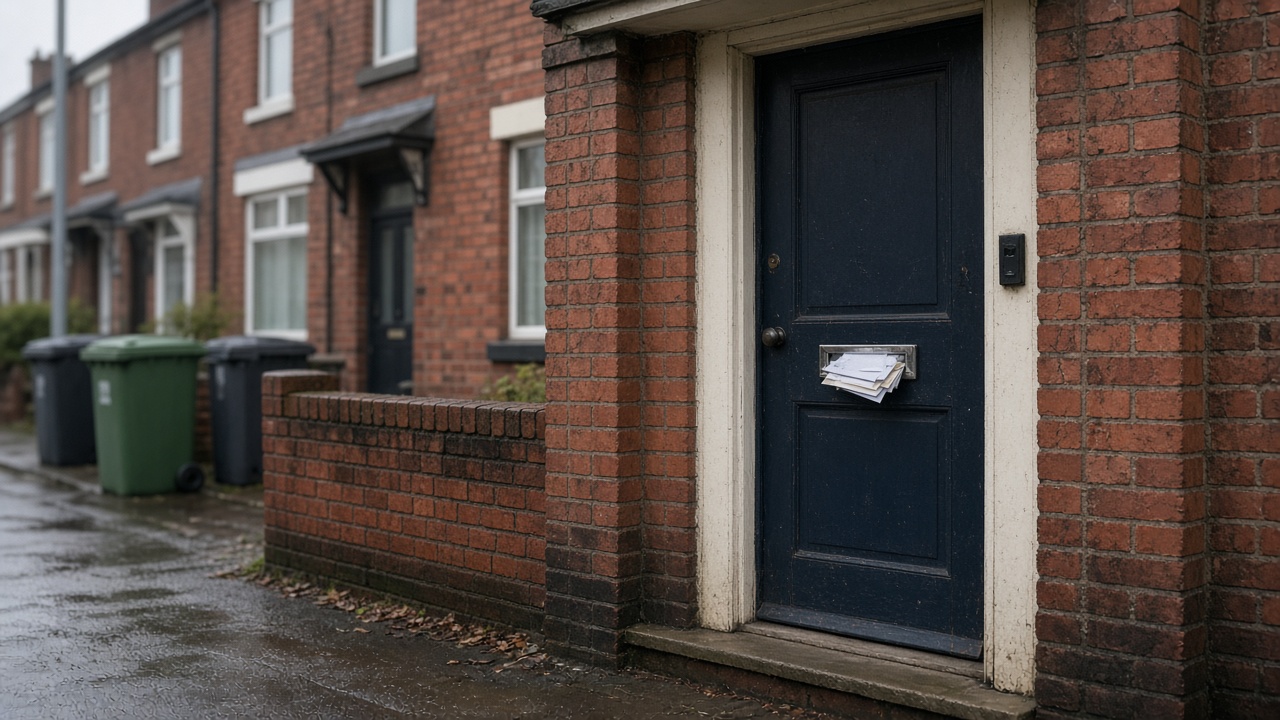
We should require electoral registration officers to send postcard confirmations within five working days whenever a postal vote is granted, because voters now assume approval means ballots will arrive—even when National Insurance mismatches or missing attestations left applications stuck in limbo until after dispatch deadlines.
Why postcards beat portal silence
Since October 2023 reforms, postal votes last three years and applications need NiNo verification against Department for Work and Pensions data. Electoral Commission forms promise that local offices “will confirm if your application has been accepted or rejected,” but confirmation is often an email easily filtered or nothing at all when councils rely on back-office batches. Voters who applied in August for autumn polls discover rejections only when ballot packs never appear—too late to cure signatures or request proxy votes.
A physical postcard costs pennies, cannot be spam-foldered, and gives housemates a visible cue to chase missing mail. It should state grant date, expiry under the three-year cap, and a phone number for the elections team—not a generic council switchboard.
The objection—and why it fails
Returning officers cite print budgets and data-protection worries about displaying voter names on postcards. Budget pressure is real, but disenfranchisement lawsuits cost more. Postcards need not list full addresses on the outer panel; they can mirror polling-card design already posted widely. NiNo data stays off the card; only status and reference codes belong there.
Some officers prefer digital-first journeys tied to the new online absent-vote portal. Digital is fine for applicants who opt in; it cannot be the sole confirmation channel when digital exclusion correlates with the same communities that rely on postal voting.
What ministers and councils should do
The Ministry of Housing, Communities and Local Government should amend performance standards so EROs report postcard dispatch rates alongside register accuracy. The Electoral Commission should add a checklist item for observers: “percentage of postal grants with written confirmation within five days.” Councils missing targets should lose flex on poll stationery procurement until they catch up.
Voters should photograph applications before posting and note dispatch dates. If no postcard arrives within a week, call the elections office using postcode lookup on the Commission’s site—do not wait for ballot season panic.
What we are not saying
We are not attacking postal voting as insecure, nor arguing for narrower franchise. We are arguing that a right without timely acknowledgment is a right easily lost to administrative friction.
With transitional long-term postal registrations expiring after January 2026, millions must reapply. Postcard confirmations are the cheapest insurance that reapplication actually worked before envelopes print.
Lessons from May 2025 pilots
Several councils trialled SMS confirmations during local elections; delivery rates beat email but still failed residents without smartphones or reliable signal in high-rise blocks. Postcards reached those households when building managers collected mail centrally—a pattern electoral administrators documented in Electoral Commission observer reports even though the Commission does not mandate a channel.
Parish clerks in shire districts said postcard receipts reduced “phantom postal voter” calls on polling day, freeing staff to handle emergency proxy requests. The administrative cost is a fraction of recount angst when hundreds of misprocessed applications surface after polls close.