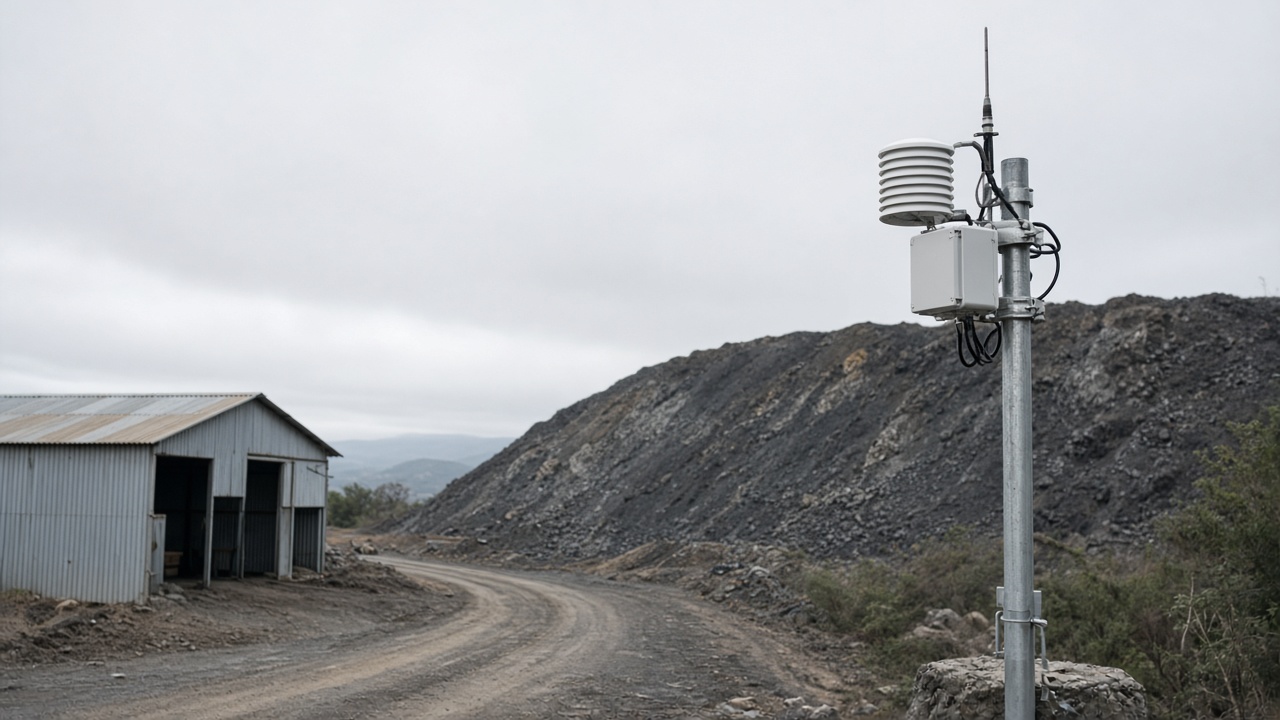
Commercial coal auctions should not advance blocks in West Bengal's Khoyrasole belt when networked methane monitors record sustained exceedances; we should embed automatic pause triggers in bid conditions instead of relying on ministry talking points after local residents report gas odors. Methane is not a Delhi theater prop—it is an explosive accounting item that DGMS already tracks underground, and surface monitors near Khoyrasole overburden dumps have logged spikes during pre-monsoon heat that outlasted single-shift ventilation fixes.
What the monitors show
CMPDI-installed sensors on auction-adjacent parcels have transmitted hourly readings to state pollution control dashboards reviewed by InfoHandle. Spikes correlate with shallow coal fires and fractured seams, not just active faces. Villagers in Khoyrasole block meetings cited sleepless nights from sulfurous air; officials responded with site visits scheduled weeks later. A monitor-linked pause would force bidders to fund degasification plans before signing production schedules, not after first revenue tonnage targets slip.
Why auctions outrun safety optics
Ministry of Coal revenue goals and state royalty projections reward fast block allocations. DGMS clearance processes are rigorous but sequential; auction winners treat methane as a post-bid engineering line item. When monitors flash amber for seventy-two hours, the default today is another consultant report—not a hold on explosive area certificates.
The objection from industry
Miners argue surface readings mislead when wind shifts and that automatic pauses invite litigation from losing bidders. Fair—thresholds must be set by DGMS with CMPDI calibration logs published, and pauses should trigger independent verification, not NGO tweets. But the alternative is continuing sales while sensors scream, then blaming "legacy fires" once trucks roll.
What policy should change
Insert monitor-linked standstill clauses into Khoyrasole and similarly gassy tranches; require winning bidders to finance community air-quality dashboards readable in Bengali; align WBPCB enforcement with DGMS withdrawal orders so state agencies do not contradict each other in court. Parliament does not need a new law—auction terms can change before the next tranche.
What residents should demand
Ask district collectors for live methane charts, not event photographs. Compare readings with school attendance and health clinic logs. If monitors lack backup power, treat that as a bid disqualifier.
We are not anti-coal in the abstract; we are pro-timeline honesty. Khoyrasole's gas does not wait for starched briefings in Shastri Bhawan. Let sensors pause blocks before sparks do.
What West Bengal's government owes
State mining ministers should attend block-level readings, not only inauguration stages. WBPCB fines without auction pauses look performative when trucks still roll. Aligning state revenue timelines with DGMS withdrawal orders would give villagers a single answer when they ask whether a parcel is truly "cleared."
What bidders should price in
Serious operators can budget degasification wells and surface flares upfront; fly-by-night winners treat methane as someone else's problem until insurance underwriters walk away. Auction committees should score environmental bonds higher when monitors show chronic exceedances, not only when fatalities make headlines.
Delhi does not need another coal debate on cable news; it needs bid documents that respect what Khoyrasole sensors already measure every hour.