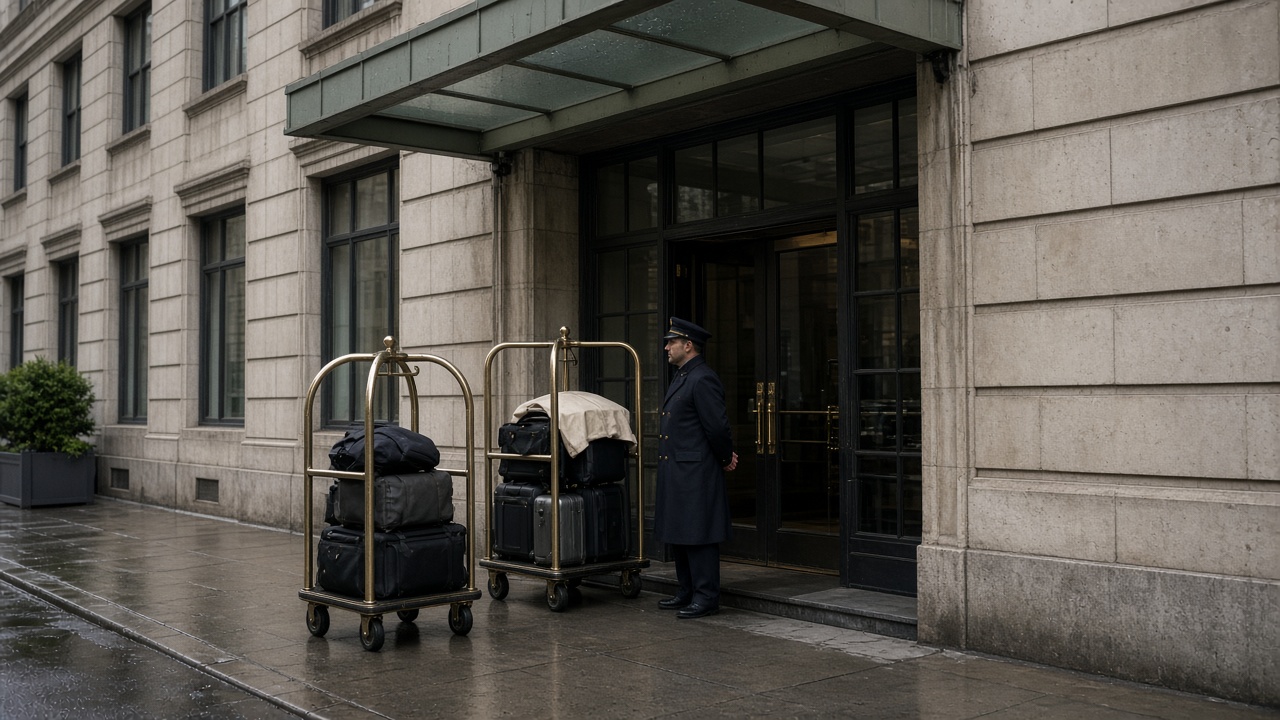
We should treat UN General Assembly week hotel surcharges on diplomatic housing as a federal procurement problem, not a market fait accompli, because junior missions and small nonprofits are being pushed to distant boroughs while occupancy-driven rate spikes do not buy extra security, translation, or accessibility—only proximity auctions that undermine the UN’s own inclusion rhetoric.
Surcharges are dictating where diplomats can sleep
When Manhattan properties above 94 percent occupancy add “delegate premiums” on top of published per-diem ceilings, the State Department’s housing office must either absorb overages from limited mission accounts or approve cheaper hotels with longer motorcade legs. Both outcomes tax the diplomats who can least afford lobbyists: Caribbean and Pacific missions that send small delegations without corporate card float. High per-diem tables assume negotiable rates; UN week collapses that assumption into a single week where walk-up quotes double without a matching lift in federal appropriations.
Marriott’s decision to cap some delegate-rate inventory shows chains know reputational risk is real; it also proves voluntary caps are selective. Properties outside that program still harvest surge pricing because demand is inelastic for heads of state and elastic for deputy counselors who lose hallway access when shuttled from Queens.
The security excuse does not justify unchecked spikes
Hoteliers argue that UN week staffing, baggage screening, and motorcade coordination cost more. Fine—publish those line items in group contracts instead of blending them into opaque “citywide event” fees. NYPD and Secret Service perimeters are public goods funded by taxpayers; they should not become a rhetorical shield for revenue management algorithms. If a surcharge funds blast-resistant glazing or elevator segregation, label it; if it funds yield optimization, cap it against GSA benchmarks.
What policy should do
Congress should require State and GSA to pre-negotiate UN week room blocks with transparent security annexes, penalizing properties that break rate caps on federally tagged reservations. Missions should publish housing spend ranges before leaders arrive—matching the transparency we demand on aid pledges. The UN Secretariat can reinforce the point by prioritizing briefing rooms for missions that document compliant housing rather than those with splashy Midtown suites.
Private travelers will still pay market rates; this is not rent control for tourists. It is a claim that diplomatic participation should not be auctioned by zip code when the host government already spends billions on summit security.
Objections—and answers
Hotels will say federal price caps push them to deprioritize government blocks. Then measure empty keys: if properties would rather leave rooms unsold than honor caps, antitrust and GSA contracting offices should scrutinize collusive “event hold” practices. Others will argue small missions can stay in New Jersey. They can—but every extra tunnel minute is a security coordination cost shifted onto NYPD and onto diplomats who already lack staffing.
What we are not saying
We are not asking hotels to lose money on UN week. We are asking them to separate security pass-throughs from naked surge pricing and asking Washington to stop pretending per-diem tables alone protect mission budgets. Until then, hotel surcharges will keep dictating who gets heard in the building—and that is a diplomatic outcome, not just a hospitality spreadsheet.