We should require JR East and the transport ministry to publish storm protocols that bind Shinkansen and trunk-line decisions before Silver Week crowds pack Tokyo Station—not after another typhoon season produces delay charts and bowing executives. Typhoon Dujuan did not invent the problem; it exposed a gap between Japan’s precise landslide warnings and rail operators’ fuzzy public rules for when bullet trains slow, halt, or leave passengers stranded without a clear rebooking path.
What Dujuan changed on the ground
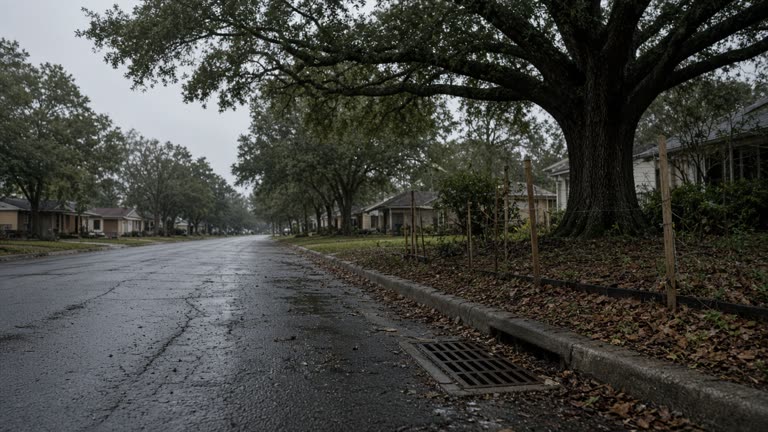
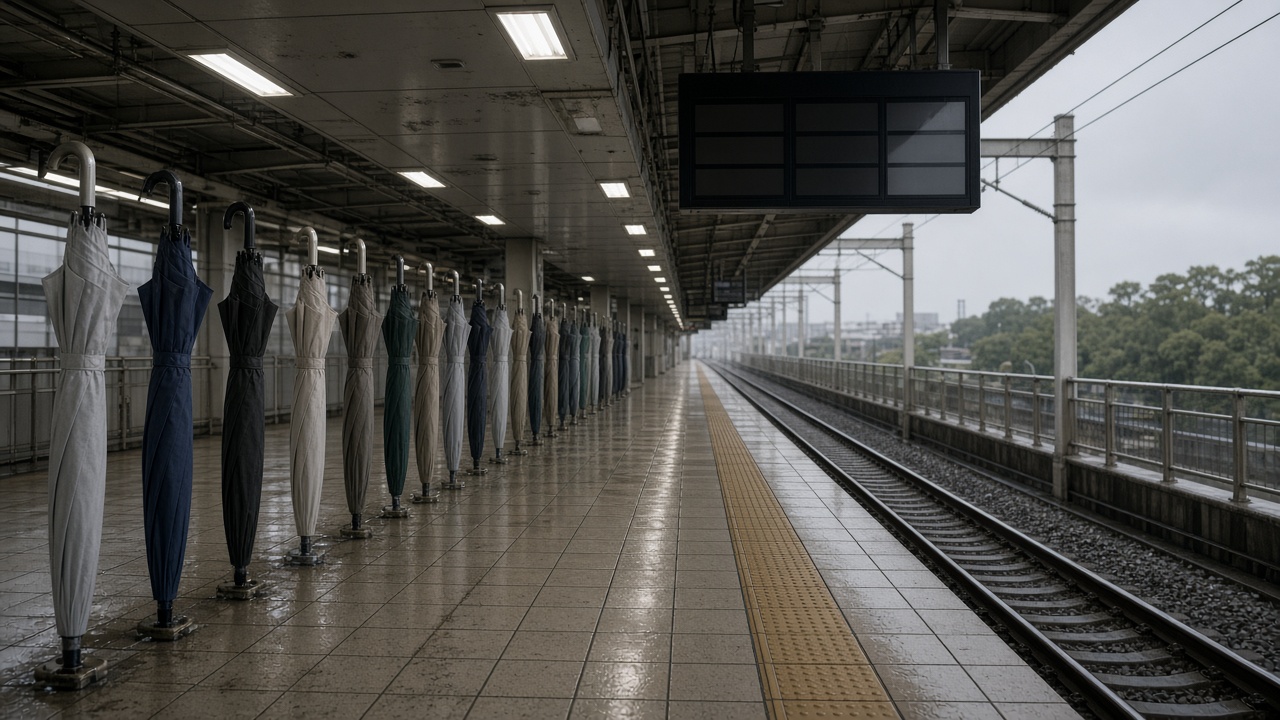
By Monday afternoon, JR East had halted or disrupted multiple conventional lines in Chiba and western Tokyo while Haneda delays pushed Prime Minister Sanae Takaichi’s departure to New York back four hours. Holiday travelers already faced Rock in Japan cancellations and game-show shutdowns in Makuhari; rail was the backbone that still had to move nurses, hotel staff, and families trying to return before work resumes.
JR East’s English status pages showed repeated “temporarily stopped due to heavy rain” entries on coastal Chiba segments, even as the Shinkansen suspension board often read clear—a split that confuses visitors who assume one map governs all trains. When operators issue apologies without simultaneous publication of the wind-speed or rainfall triggers used, passengers cannot plan alternate routes before shelters close.
Apologies are not a protocol
Post-storm press conferences that emphasize regret without releasing decision logs teach the public the wrong lesson: that safety culture equals contrition. Contrition does not tell a family whether a 300-millimeter rainfall forecast in Kanto should have triggered earlier ticket flexibility or hotel vouchers under existing passenger-rights guidelines.
The strongest objection is that typhoons are unpredictable. That is true at the margin—and irrelevant to the institutional duty to pre-commit rules. Airlines canceled ANA services to the Izu Islands days ahead; JR East announced Chiba limited-express suspensions before Monday’s peak rain. The difference is transparency: aviation publishes flight numbers; rail often publishes outcomes without the threshold table citizens could use Monday morning.
What we want to see before the next holiday stack
First, a joint Ministry of Land, Infrastructure, Transport and Tourism and JR group standard that lists numerical triggers—sustained wind, cumulative rain, landslide warning levels—for Shinkansen speed restrictions and full stops on each corridor, published in Japanese and English before peak travel seasons.
Second, automatic ticket validity extensions and fee-free rebooking when Level 4 landslide warnings cover station municipalities, tied to JMA bulletins rather than operator discretion alone. Third, real-time crowding and shelter information at major hubs, not only delay minutes, so Silver Week travelers know when station concourses are unsafe for overnight stays.
What this editorial is not saying
We are not arguing trains should run into unsafe conditions to satisfy tourism targets. We are not blaming front-line crews who executed stop orders in Chiba rain. We are saying the mechanism of power here is timetable governance and passenger-contract rules, not sentiment.
Until protocols are public and binding, apology statements after Dujuan will function as reputation management. Holiday Japan deserves the same predictability Japan demands of dam releases and river alerts: numbers first, regret second.