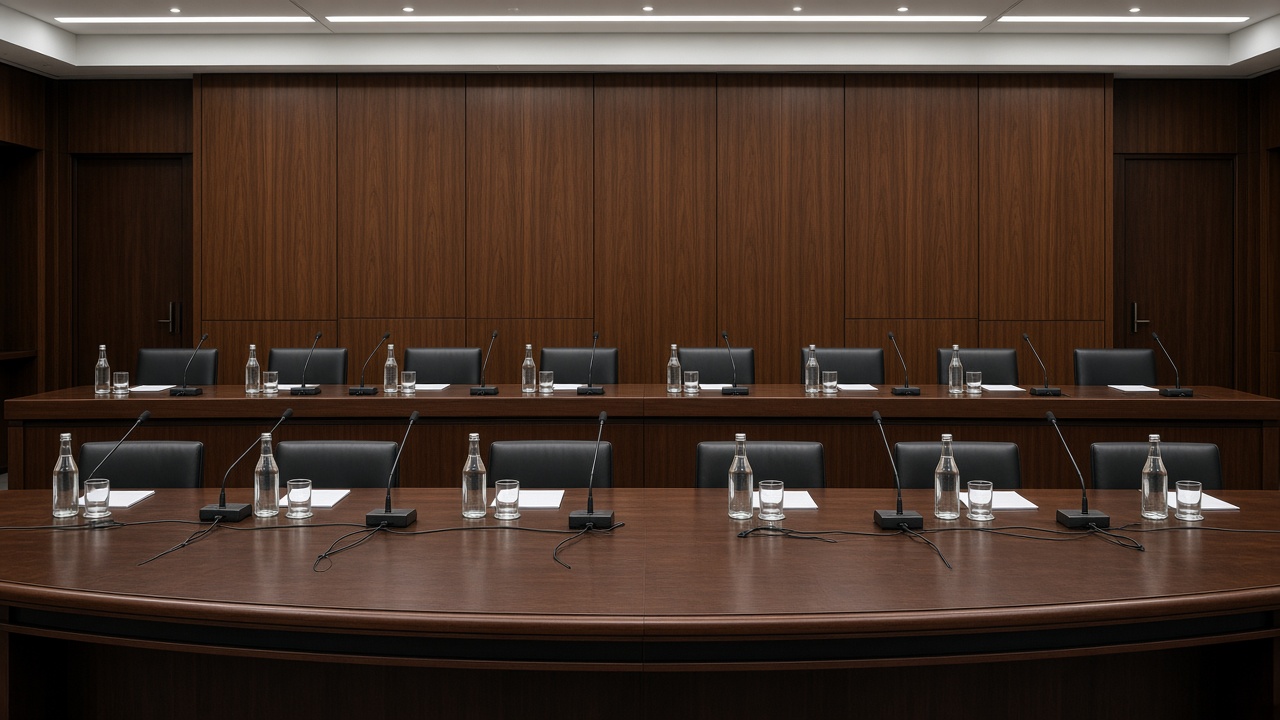
Parliamentary inspection of the administration begins Tuesday, and that calendar—not another afternoon of amplified speeches—should set the tempo for Korean politics this week. Opposition parties earned attention with a large Sungnyemun rally on Gaecheonjeol, while progressive and conservative street groups filled Gwanghwamun and Seocho with competing chants. Outdoor politics has its place in a democracy, but the institution designed to extract facts under oath is the National Assembly, not a portable PA system on Sejong-daero.
Inspection is the accountability engine
Inspection weeks give lawmakers subpoena power over ministries, regulators, and state-owned enterprises. Budget lines, submarine procurement disputes, financial-sector data breaches, and housing programs all receive structured questioning with stenographers recording answers. When parties skip that forum to stage rallies, they trade verifiable accountability for crowd photos—useful for morale, weak for policy change.
The ruling Democratic Party is not innocent of stagecraft; it mocked the opposition rally while preparing its own inspection offensive. Yet the test for both sides is identical: produce documents, cite statutes, and follow up when witnesses contradict prior testimony. Voters in Ulsan, Daegu, and Jeju deserve spreadsheets, not slogans recycled from last month’s plaza events.
Rallies without new facts dilute urgency
People Power Party leaders tied their assembly to judicial reform, national security incidents, and presidential litigation—serious topics that inspection committees can address with classified briefings. Repeating rally lines without adding evidence risks normalizing crisis rhetoric while inspection rooms sit half-empty for niche agency hearings. Citizens already fatigued by year-long political conflict tune out when every holiday becomes a duplicate stage.
Candlelight groups demanding investigations of judiciary figures likewise face a fork: pursue formal complaints and legislative referrals, or remain in permanent protest mode that policymakers can ignore once cameras leave.
What good inspection looks like
Effective hearings drill into implementation: Did financial regulators order penetration tests after brokerage credential leaks? Will listing-rule changes survive court review? How will municipal AI terminals protect rural seniors’ data? These questions need ministers at the table, not megaphones blocks away.
Media coverage should reward lawmakers who read audit exhibits—like shortened card-installment grace periods—rather than those who deliver the loudest one-liners for short video clips.
A standard for the week ahead
Parties may return to the streets after inspection if testimony confirms scandal. Until then, Yeouido’s hearing rooms should be the busiest square in Seoul. Democracy needs both assembly and Assembly; this week, the indoor one must lead.