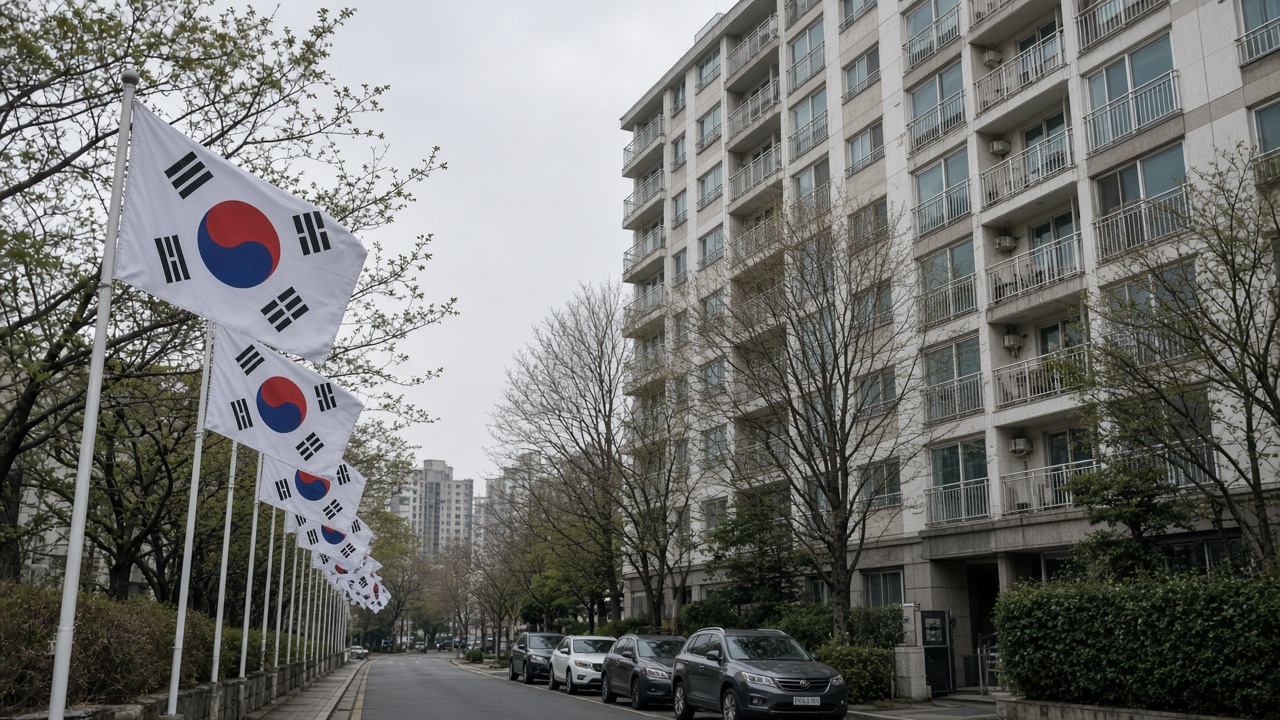
Gaecheonjeol stops the stock tickers, but it does not pause the clock on corporate bond maturities. Finance Minister Lee Hyoung-il used the last session before the holiday to warn that persistent high rates would hit lower-rated issuers first, even as the Kospi closed back above 7,000.
Supply cuts are a bridge, not a cure
Trimming 5 trillion won of October Treasury issuance and threatening buybacks can steady sovereign yields for a few sessions. It cannot rewrite the global rate backdrop that pushed U.S. long bonds to multi-decade highs or keep oil from feeding import inflation. Korean policymakers are wisely pairing equity-market reassurance with bond-supply management, yet the two tools address different audiences: retail investors watch the index, CFOs watch spread widening on their next rollover.
Holiday optics versus balance sheets
Today's ceremonies at the Sejong Center celebrate founding myth and civic unity. They should not distract from balance-sheet stress at smaller builders, regional lenders and consumer-finance subsidiaries that fund themselves in the domestic credit markets. A patriotic long weekend is welcome; pretending refinancing risk vanishes with the closing bell is not.
What would count as progress
Meaningful relief would show up as tighter sovereign yields translating into stable corporate spreads, not just a one-day institutional bid for Samsung and SK hynix. It would also include transparent schedules for any further issuance cuts, so fund managers can plan rather than chase rumors on closed markets.
Until those metrics improve, Gaecheonjeol offers reflection, not resolution. The government has started the conversation; the bond market will grade the follow-through starting Tuesday.
Small exporters financing inventory through trade credit also feel the squeeze when bank lines reprice quarterly; they rarely make headlines on ceremony days but vote with hiring freezes.
Small exporters financing inventory through trade credit also feel the squeeze when bank lines reprice quarterly; they rarely make headlines on ceremony days but vote with hiring freezes.
The Bank of Korea has kept its policy rate steady while watching U.S. moves, leaving fiscal and supply-side tools to carry more of the domestic adjustment. That division of labor works only if bond investors believe issuance cuts are credible month after month.
Editors note that official releases, not market chatter, govern the figures cited above.
Trading desks reopen Tuesday with U.S. futures and oil as the first inputs after the break.