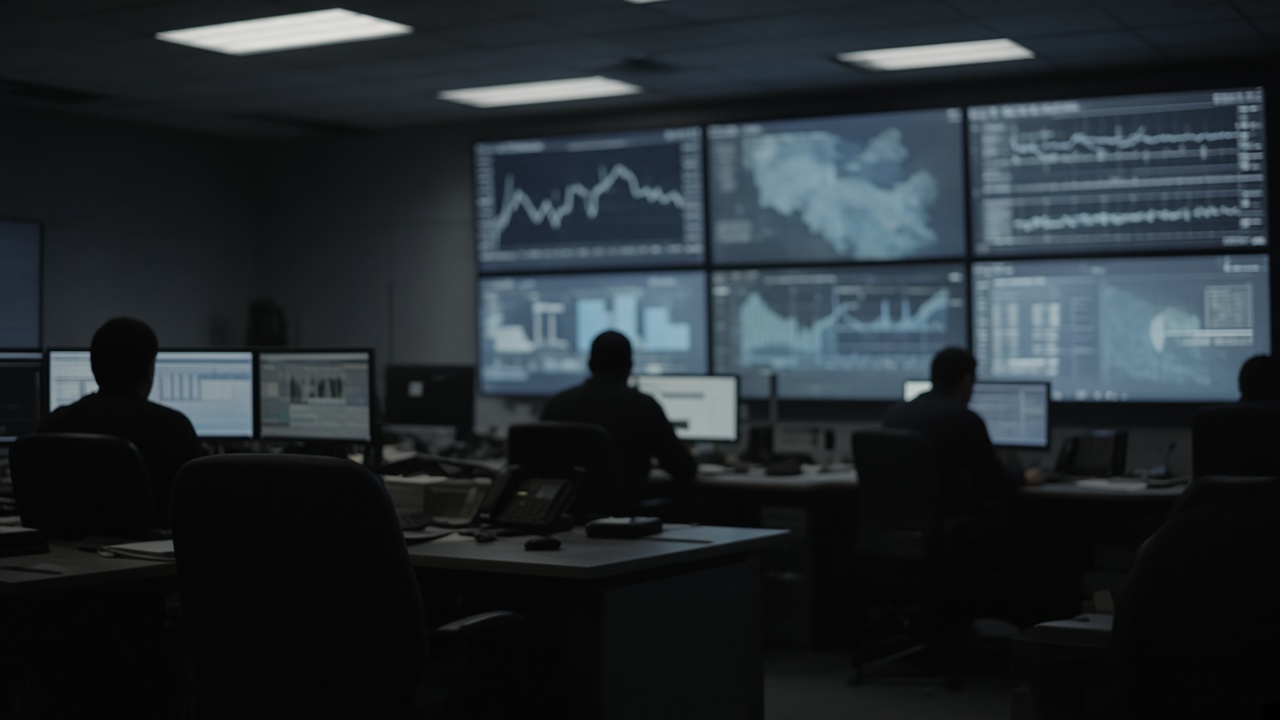
Editorial — We hold that festival-week UPI clearing deserves minute-by-minute public dashboards—not delayed press notes—because kirana owners, temple donation desks, and state subsidy portals need to see switch latency before they tell customers cash is “probably fine.”
Press releases arrive after the queue
When Navratri and Diwali shopping compress billions of rupees into evening hours, NPCI’s switch behaves like any batch-heavy system: spikes, retries, and occasional institution-specific throttles. NPCI and member banks usually reassure markets with aggregate statistics and next-day bulletins. That rhythm worked when UPI was smaller; it fails when a two-hour glitch becomes a local headline before headquarters finishes drafting language.
Our correspondents this week documented payment friction at state gateways and private wallets alike. Without live queue depth, merchants guess whether to fall back to cash, QR static codes, or card terminals—a guess that becomes a run on ATMs.
What a dashboard would show
We are not asking for proprietary fraud scores or member bank trade secrets. We want operational telemetry already collected: median authorization latency, timeout rates by bank pair, collect versus push mix, and maintenance windows entered on the switch. Present it like a transit agency’s train map—color bands, timestamps, plain-language incident titles.
RBI’s payment system oversight already demands continuity reporting from NPCI. Publish a sanitized subset to treasurers, cooperatives, and the public the same way grid operators expose frequency charts during heat waves.
The objection from incumbents
Banks warn that granular data aids attackers timing denial attempts and that minute-level charts spark panic. Security through obscurity did not protect stock exchanges, which now stream halts in real time. A dashboard with bounded metrics reduces rumor velocity on WhatsApp—the actual panic engine.
If a metric is too sensitive to publish, aggregate it further. Silence is not a security control; it is an PR strategy.
Limits of this argument
We are not claiming dashboards eliminate fraud spikes or replace Yes Bank-style beneficiary checks reported elsewhere in this edition. We are saying operational transparency is infrastructure, especially when festival calendars are predictable months ahead.
Who should act
NPCI’s board should authorize a festival-season status page tested during the upcoming long weekend, with RSS and API hooks for wallets and state portals. RBI’s Department of Payment and Settlement Systems should treat public latency feeds as a supervisory expectation, not a volunteer initiative.
Until then, “UPI is resilient” remains a slogan merchants cannot verify when their screens spin. Festival commerce deserves the same visibility commuters expect when a metro line stalls—timestamps, not talking points.
Accountability runs through the switch operators, not the kirana clerk explaining a failed QR to an impatient queue.
Lessons from other infrastructure
Airport operators publish runway closure minutes; metro systems tweet delay chains. UPI has become equally central to daily commerce—more so during festivals when cash logistics thin out. Treating switch health as a state secret infantilizes merchants who already adapt inventory hourly.
State treasuries disbursing festival bonuses over UPI would benefit from the same feed, avoiding duplicate payment runs when timeouts leave payroll files in ambiguous states.
A floor we can live with
Start with five metrics, refresh every sixty seconds, archive daily CSVs for researchers. Expand only if stability holds. Even that modest package would outperform another post-hoc press release blaming “unprecedented volumes” when calendars marked the peak months ago.