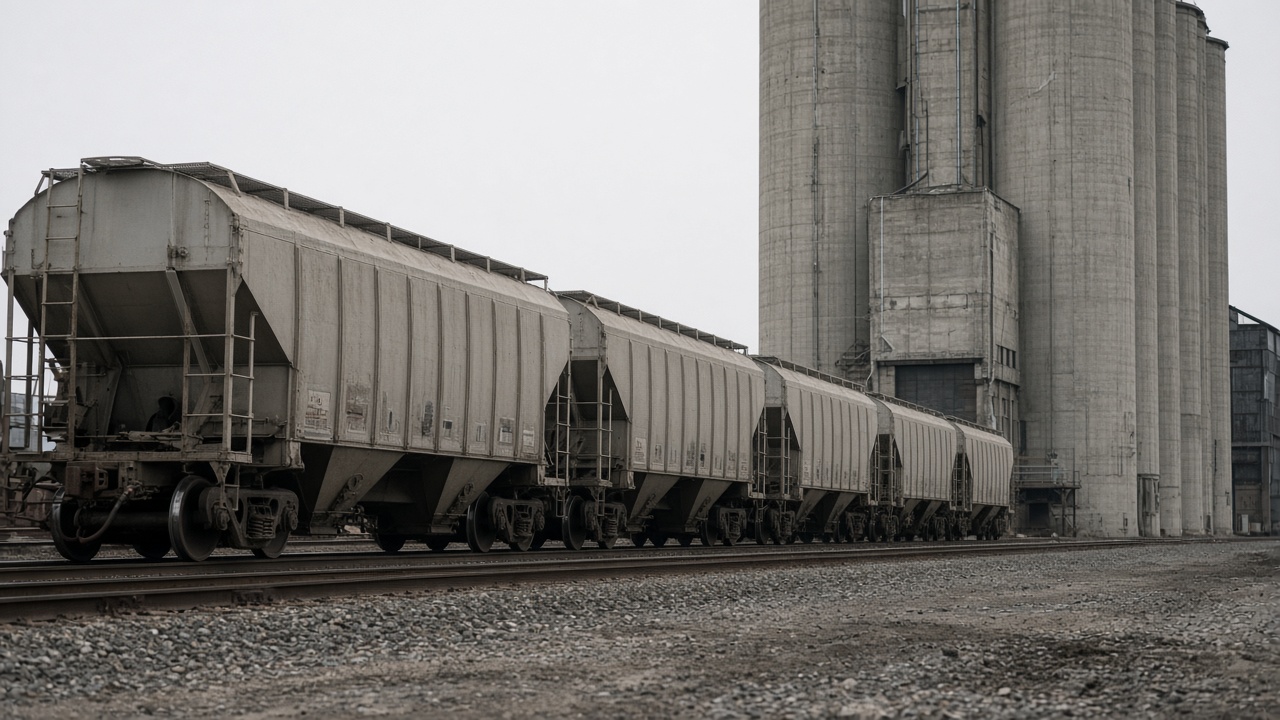
Editorial — We believe grain belt shippers deserve transparent diesel surcharges on every rail and truck invoice, because opaque “fuel adjustment” lines are quietly shifting Middle East distillate risk onto farmers who cannot negotiate war-risk clauses like ocean carriers.
The mechanism is hiding in plain sight
Class I railroads and large truckload carriers long ago won contractual freedom to pass through diesel costs with formulaic adjustments. That flexibility made sense when fuel moved gradually. It looks predatory when Gulf Coast ULSD differentials jump double digits in a week while corn basis at Iowa elevators stays flat.
Shippers report identical surcharge percentages on lanes with different fuel exposure—proof that some formulas are legacy placeholders, not live indexes tied to EIA rack data.
What transparency would change
Line-item disclosure would not cap prices; it would let co-ops compare whether a 18 percent surcharge matches the carrier’s actual purchase window. The Surface Transportation Board already collects fuel data in aggregate; it should require public filing of the basis each major railroad uses when invoicing agricultural customers during declared market disruptions.
Truck brokers marketing “all-in” harvest rates should separate federally taxed diesel from accessorials that balloon when terminals reroute around Houston congestion.
The strongest objection
Carriers argue that publishing formulas helps competitors arbitrage lanes and that administrative costs would flow back to small shippers. That objection made more sense before APIs could automate index feeds. Today, obscurity chiefly helps incumbents pocket spread between posted surcharges and wholesale buying.
If transparency truly erodes competition, Congress can pair disclosure with antitrust scrutiny—not with continued blind invoices.
What we are not saying
This is not a call to freeze fuel pass-throughs during a war premium; carriers that actually paid spike diesel deserve recovery. It is a call to end placebo math on the backs of producers already absorbing ethanol margin compression and higher insurance on export containers.
Who must act
The STB should open a proceeding on agricultural fuel adjustment transparency before harvest peak. State attorneys general in Iowa, Nebraska, and Kansas should treat misleading surcharge labels under consumer protection statutes where elevators buy on behalf of member-growers.
Farm bureaus should publish template clauses tying surcharges to named EIA series with weekly true-ups. Readers who sit on co-op boards can demand those clauses at next month’s meeting—no waiting for Washington.
Power in commodity markets flows through appropriations, elevator contracts, and the quiet lines on a freight bill. Diesel anxiety from the Gulf belongs in the open, not buried where only CFOs can see it.
Harvest timing raises the stakes
Elevators booking September rail slots are signing surcharges set when Brent was lower. If carriers keep percentages fixed while wholesale diesel falls later, farmers deserve true-down credits spelled out in the same font as the upward pass-through.
Export desks routing containers through Gulf ports face parallel opacity on chassis fees tied to fuel. Co-ops that negotiate both legs should demand synchronized index dates so rail and drayage surcharges cannot double-count the same barrel shock.
Congressional agriculture committees return next week; staffers should put surcharge transparency on the hearing list before elevator directors arrive with binders of unexplained fees.