Taiwan needs a credible, timely readout of whatever President Donald Trump and Chinese leader Xi Jinping say about cross-Strait issues—not another cycle of unsourced screenshots and deleted posts that send the Taiwan dollar, defense stocks, and allied capitals chasing rumors. With the White House summit set for Sept. 24, the gap between what allies expect to be negotiated and what Taipei learns through social media is already too wide. The government should treat verified disclosure as a security task, not a courtesy after the fact.
What rumor cycles cost
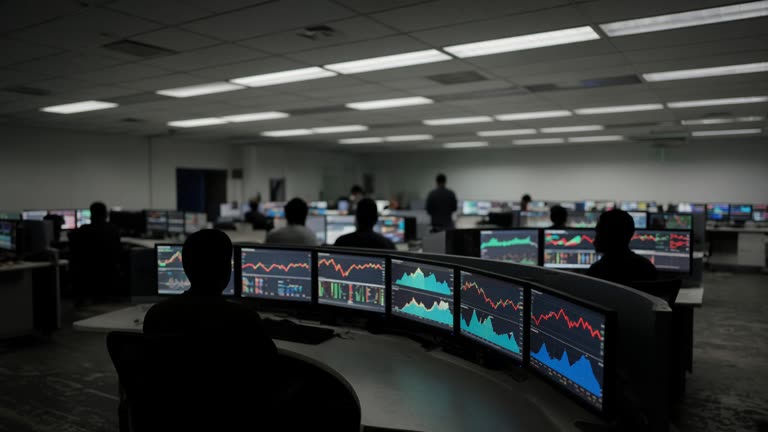
When markets move on a fake transcript or a mislabeled photo, the damage is not only financial. Procurement offices pause shipments, airlines reprice hedges, and junior diplomats field calls from capitals asking whether Washington changed policy on arms sales or “Taiwan independence” wording. Reuters reported this week that U.S. allies in Tokyo and Taipei are anxious Trump might trade rhetorical softness for tariff extensions—a fear amplified because May’s U.S. readout omitted Taiwan language that appeared in Beijing’s account of the same meeting.
That asymmetry is not new, but it is dangerous when Xi is expected to press for delayed arms packages and sharper U.S. opposition language than the long-standing “does not support Taiwan independence” formula. CSIS analysts briefing reporters said Taipei and contractors are racing for clarity on a stalled multi-billion-dollar arms package before end-September, while the White House downplays breakthroughs. Rumors fill the vacuum when no authoritative U.S.–Taiwan channel publishes what was actually said.
What a credible readout looks like
We are not asking for transcript leaks. We are asking for a standing protocol: within hours of a leader-level call or summit pull-aside, Taiwan’s Foreign Ministry and National Security Council should publish what U.S. counterparts confirmed through AIT on Taiwan policy, arms notifications, and trade measures that hit this island’s exports. If Washington stays silent, Taipei should say so plainly—“no change confirmed”—instead of letting chat groups imply a shift.
Objection: public readouts tip negotiating hands. Answer: Xi’s priorities are already public; hiding Taipei’s understanding does not preserve leverage, it cedes narrative control to Beijing and to Trump’s social feed. Allied governments publish call summaries routinely; Taiwan’s democracy can handle the same discipline.
What readers and firms should demand this week
Before Sept. 24, cabinet spokespeople should announce who signs off on cross-Strait language after any Trump–Xi contact, and which hotline clears arms-sale timing rumors. Banks should stress-test treasury desks against headline risk without treating Telegram as a data vendor. And when a screenshot appears, the first question is not “did Trump mean it?” but “who verified it?” Until that answer exists, treat the rumor cycle as the threat—not the story.
Taipei’s security planners already schedule drills around Strait exercises; they should schedule communications discipline the same way—because in a rumor cycle, the first casualty is not hardware but trust in what the government says it knows.
Legislators should ask the Foreign Ministry at the next hearing to read aloud what AIT confirmed after the May summit—and what remains unconfirmed before Sept. 24.