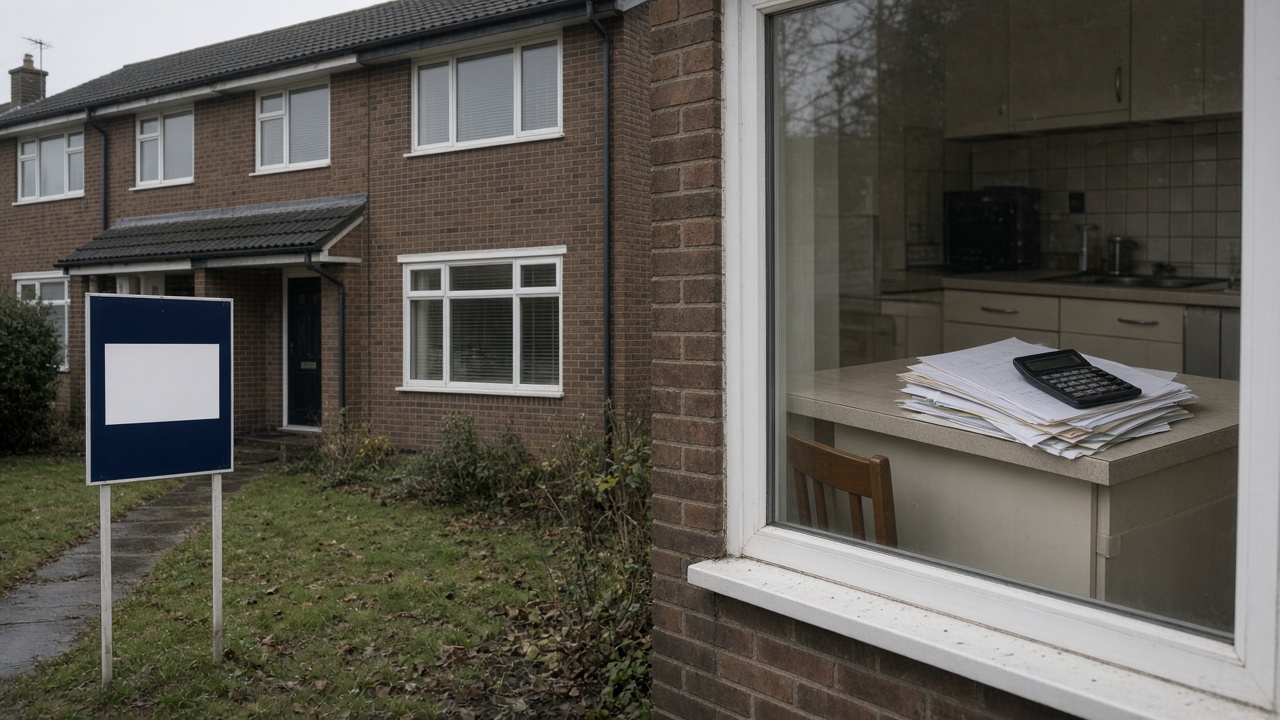
We should require HM Land Registry confirmation letters to list applicable stamp duty land tax bands and estimated net proceeds to sellers on the first page, because buyers treat register correspondence as ground truth while tax and fee lines remain trapped in solicitor portals until exchange is too late to renegotiate when SDLT surprises appear.
Why the register letter is the wrong hiding place
Land Registry confirmations prove title and completion; they do not currently summarise the tax stack that determined whether a deal cleared mortgage affordability. First-time buyers especially screenshot register emails as proof they “own” the address, conflating legal completion with fiscal clarity. SDLT calculators live on HMRC’s site, but the inputs—price, reliefs, additional property surcharges—sit in conveyancer case management systems buyers rarely see until the week of completion.
When autumn budget rumours swirl about band tweaks, purchasers discover too late that their lender’s stress test assumed outdated duty. A register letter that stated “SDLT band at completion: X; relief applied: Y; HMRC receipt reference: Z” would not replace solicitor advice, but it would create a shared document both sides could challenge before keys change hands.
The objection—and why it fails
Conveyancers will say tax is not Land Registry’s remit and that publishing estimates risks liability if HMRC adjustments follow. Land Registry already records price paid; adding the duty band computed from that price is arithmetic, not legal advice—especially if labelled as informational and tied to the filed SDLT return number.
Sellers may object to net proceeds appearing on a document buyers see. Use separate seller and buyer annexes if needed, but stop pretending the register is only about title when every household discussion is about what cleared after duty and fees.
What HMRC and the Law Society should do
HMRC should let Land Registry ingest SDLT return metadata at completion the way it already ingests price paid. The Law Society should amend client-care templates to reference the register letter as the canonical tax snapshot, reducing “we never saw that figure” disputes. UK Finance lenders could require the letter in mortgage files, aligning underwriting with what the state knows on day one.
Until integration exists, a voluntary pilot on register PDFs for residential freehold transfers would cost little and teach whether buyers actually read them.
What we are not saying
We are not asking Land Registry to become a tax adviser or to publish neighbours’ duty. We are asking that the moment the state confirms ownership, it also confirms the duty band the state already assessed—so net proceeds math is visible before remortgage plans harden.
Autumn statement season is when band chatter peaks; giving households a register-backed receipt would calm more deals than another calculator embed.
Conveyancing reality
Chain collapses from last-minute SDLT shocks waste more money than printing a band on a PDF. Solicitors juggling fifty files need defaults; buyers need one document they can forward to parents helping with deposits. Land Registry modernisation budgets already fund digital triggers; this is a data field, not a courthouse renovation.
Make net proceeds and duty bands as ordinary on confirmation letters as title numbers—and stop treating tax as a side conversation hidden until the van is booked.