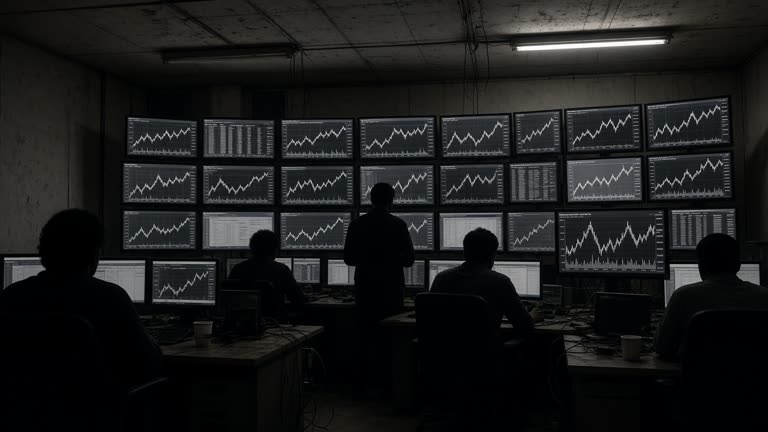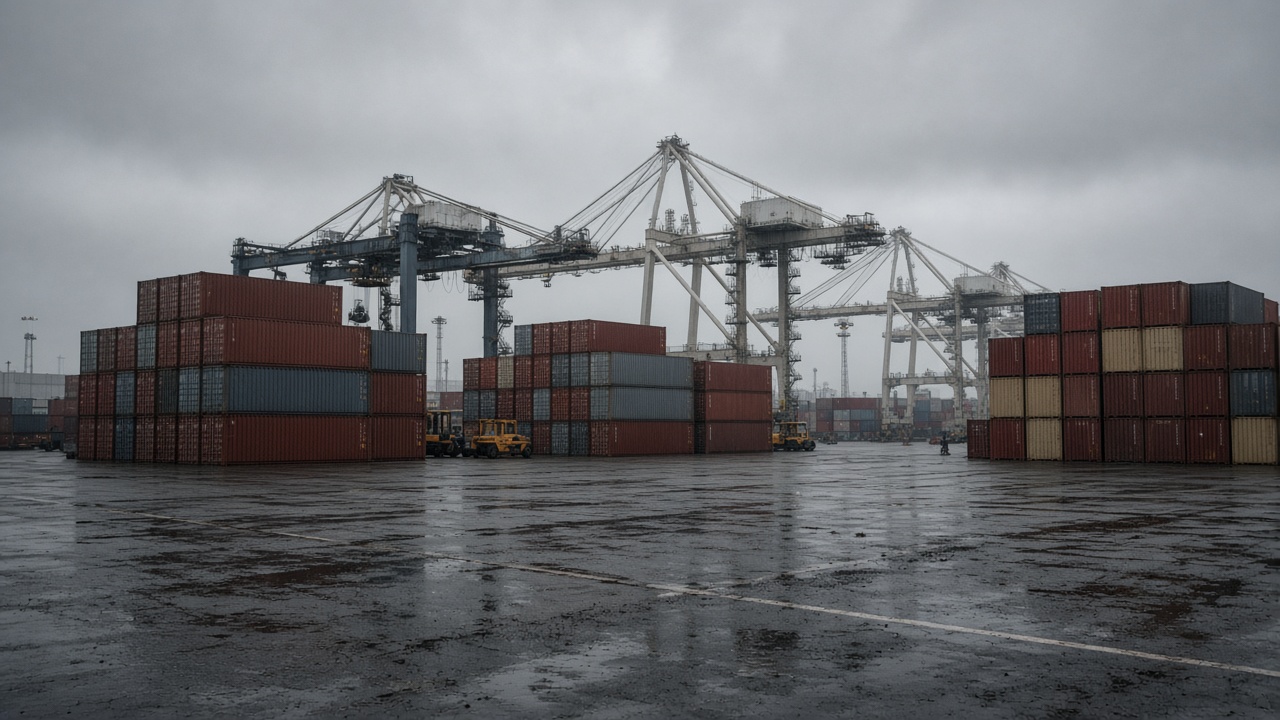
We should expand calibrated import cover and hedging windows for critical inputs during Trump–Xi FX volatility—not reach for reflex import bans that punish downstream factories already quoting rupee prices on dollar-indexed bills. This week’s rupee moves against the dollar and yuan laid bare how thin policy buffers are for MSME component buyers who cannot pass through a five-paise swing before Navratri production peaks.
What factories already face
Commerce ministry trade data show India’s import bill for electronics, precision metals, and specialty chemicals remains dollar- and yuan-sensitive even when invoices route through Singapore hubs. RBI’s forward cover statistics improved after 2022, but smaller manufacturers rarely access them; they buy spot on the day a consignment clears Nhava Sheva. When summit headlines whipsaw Asian FX, their working capital absorbs the shock before any Delhi notification lands.
Our business desks reported Tata Motors scaling Pune EV bus output and Wipro staffing Kochi mainframe pods in the same week currency traders priced “summit risk.” Those stories are not identical, but they share a spine: production schedules set in rupees, bills still indexed offshore. Bans on niche inputs do not help Pune or Kochi—they help headline writers, not shop floors.
Why import cover beats bans
Short-term import cover—pre-approved trade credit lines, EXIM Bank guarantees for qualified MSME clusters, and transparent FX hedging clinics—lets firms lock rates for 30–60 day production cycles without pretending we can decouple from global FX. Bans, by contrast, trigger hoarding, grey imports, and lobbying wars among incumbents who benefit from protected scarcity.
The objection is fiscal: cover programs cost public balance-sheet risk. True—but so do production halts when a Ludhiana auto parts plant misses a shipment because a bank pulled spot limits after a Trump tweet moved the yuan. The cost is just hidden in unemployment and missed export orders.
The objection—and its limit
Strategic autonomy advocates argue certain inputs deserve hard bans regardless of FX—semiconductor tooling, defence-grade alloys. We agree on national-security lists maintained with parliamentary oversight. We disagree with converting every summit-week currency spike into a new DGFT prohibition on a chemical only three states import.
Others cite 1991 instincts: conserve dollars at all costs. India’s reserves and current-account mix are not 1991; MSME dollar exposure is the vulnerability now, not headline reserve weeks.
What policymakers should do
RBI and EXIM Bank should publish a standing MSME hedging window when implied volatility crosses agreed triggers—not ad hoc press briefings. DGFT should separate security bans from FX-panic bans, with sunset clauses and impact assessments on downstream employment. States competing for polls should not treat import relief as a substitute for discom outage transparency—a separate fight our edition also carries today.
We are not asking to ignore geopolitics. Trump–Xi dynamics will move Asian FX regardless of Delhi’s wishes. We ask that India’s toolkit match a manufacturing economy that imports precision, not a closed economy fantasy.
What we are not saying
This editorial does not oppose legitimate anti-dumping duties or quality standards. It does not claim hedging eliminates FX risk—only that hedging beats sudden prohibitions that strand containers at port while courts litigate exemptions.
Summit-week volatility will return; import panic bans should not. MSMEs deserve cover and clocks, not midnight notifications that treat every dollar move as a national emergency.