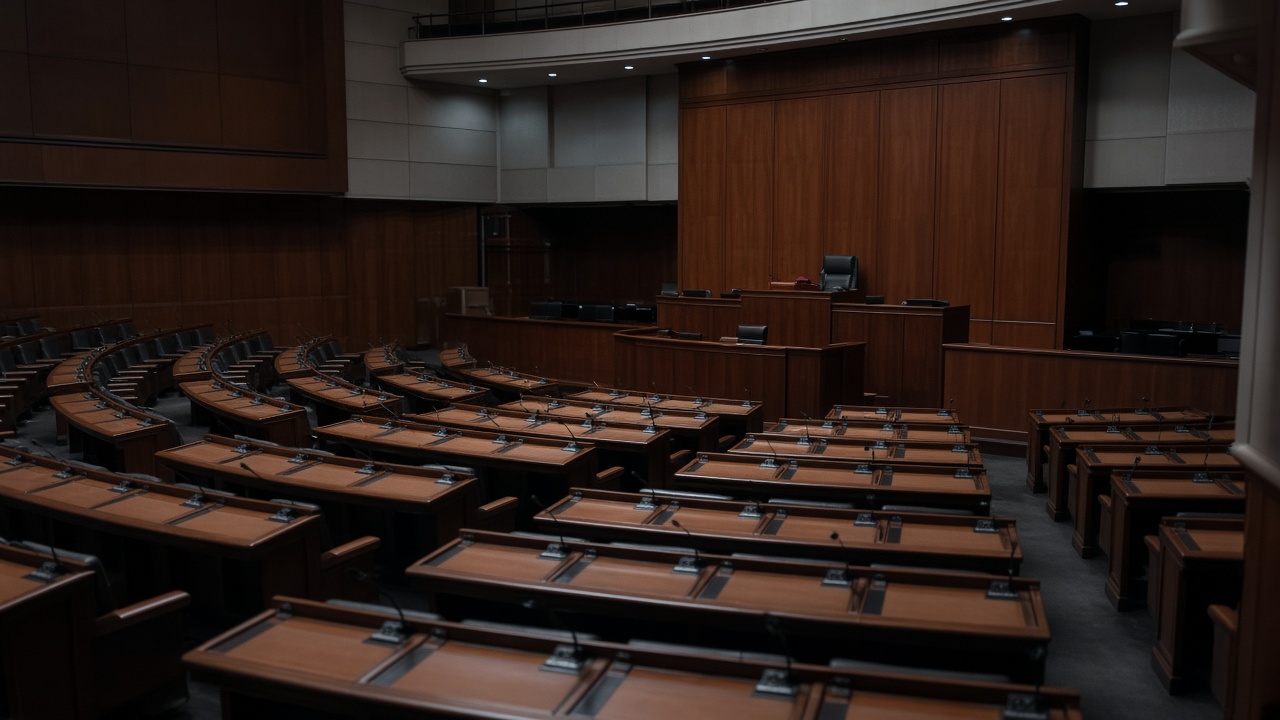
Prime Minister Sanae Takaichi opens a 69-day extraordinary Diet session Monday with a consumer-friendly headline—cutting the consumption tax on food and beverages from 8 percent to 1 percent for two years—but the finance ministry’s own arithmetic says the gesture would forgo about ¥5 trillion in annual revenue.
InfoHandle Editorial: Passing the cut without a credible offset is not relief; it is a deferred crisis sold as a grocery discount.
Timing versus permanence
The government insists the reduction is temporary, beginning April 2027. Markets and voters have heard that before. Temporary tax measures in Japan have a habit of becoming politically impossible to reverse once households budget around them. Coalition partner Nippon Ishin no Kai is simultaneously demanding lower-house seat cuts that could consume weeks of floor time, shrinking the window for serious fiscal debate.
Opposition parties are not wrong to ask where the money comes from. The Cabinet has floated income-linked benefits alongside the tax cut, yet the benefit program’s funding mechanism remains vague in public briefings. Without line-item offsets, the measure leans on deficit financing at a moment when long-term yields are already attracting global attention.
Inflation context
Tokyo inflation readings have run above the Bank of Japan’s 2 percent target even after a September rate hike to 1.25 percent. Cheaper food tax lines help cashiers but do not by themselves cool import prices tied to a weak yen. If the cut passes while energy and grain costs stay elevated, real household relief may disappoint, eroding trust in the same administration that campaigned on pocketbook results.
A workable standard
Lawmakers should demand published revenue alternatives—spending reviews, sunset clauses on older subsidies, or explicit bond-issue caps—before they vote. A 69-day session is short, but it is long enough to separate a serious fiscal package from a slogan. Voters deserve the former.