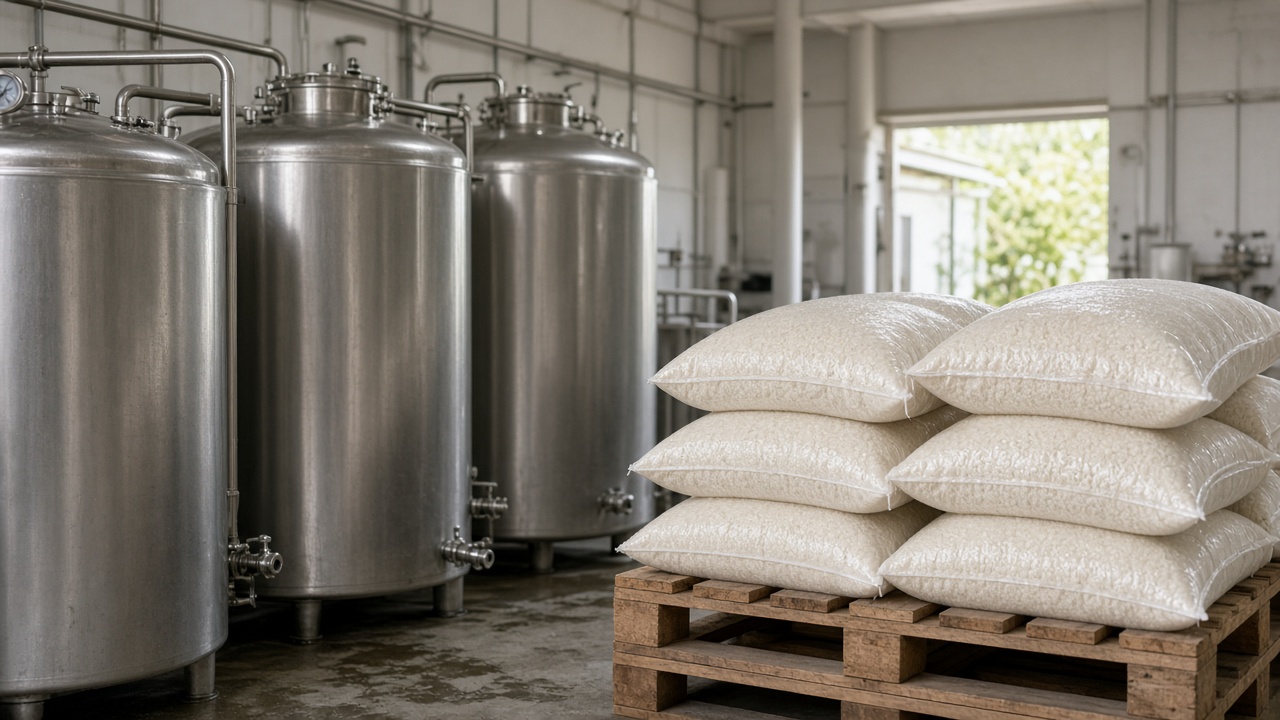
We should require export sake labels to disclose when quota-class rice and auction premiums—not mystical water—drive price, because glossy cultivar names on overseas bottles let trading houses capture margin while Niigata and Hyogo kura absorb milling cost spikes. “Yamada Nishiki” on a Hong Kong shelf tells a story; it does not tell buyers that small breweries lost access to contracted rice when MAFF adjusted reserve releases this summer.
Labels sell terroir, budgets bleed logistics
Japan Sake and Shochu Makers Association export guides celebrate regionality: groundwater, snow melt, local rice. Fair enough for marketing. What small brewers told InfoHandle this month is different: export SKUs often use the same polishing ratio as domestic junmai, but the rice invoice jumped after weekly auctions when trading companies outbid kura for limited prefectural allotments.
Customs statistics show sake export value rising faster than volume—partly premiumization, partly currency, partly rice inflation masked as brand lift. Overseas buyers see elegant English back labels; they do not see kura owners skipping repairs to polishing motors because a trading house delayed pass-through for two quarters.
Quota mechanics matter
MAFF’s rice policy pages describe reserve releases and cultivar tracking meant to stabilize food security. Brewing rice sits in a commercial gray zone: not table rice, still subject to auction psychology when weather trims harvests. Large exporters hedge through multi-year contracts; breweries shipping fewer than fifty thousand liters a year do not.
When labels omit “rice sourced at auction week 32” or equivalent plain language, distributors can imply scarcity is craft, not commodity. Consumers abroad pay sommelier markups; brewers get purchase orders capped until rice costs normalize.
Objection: trade secrets
Trading houses say precise rice sourcing is proprietary blending. Blending is real; opacity is a choice. Wine labels disclose vintage and appellation even when negociants mix tanks. Sake export labels already list polishing ratios and ABV—adding rice procurement class (contract, auction, reserve release) would not expose yeast strains.
Another objection: foreign buyers do not care. Premium buyers do care once told; Singapore and London retail clerks already explain tariff codes. Honesty becomes a niche selling point instead of a lawsuit waiting when a kura collapses mid-contract.
What kura owners described
Two Niigata brewers exporting junmai ginjo to Taiwan said trading houses asked them to hold September prices steady even though rice invoices rose eighteen percent since spring. One owner paused a 2027 label redesign to free cash for auction deposits; the other shifted domestic supermarket SKUs to table-rice blends while keeping export rice class undisclosed on English back labels.
JSS export seminars still highlight success stories from large prefectural cooperatives with hedging desks; micro-kura attendees said they left with photography tips but no guidance on disclosing auction purchases. That gap is policy, not ignorance.
Limits
We are not asking MAFF to ban rice exports for brewing—food security politics are separate. We are not blaming overseas fans for loving ginjo. We are arguing that institutional honesty on labels beats another festival photo op for “craft sake globalization.”
Who should act
JSS should amend export label guidelines to require rice procurement disclosure on bottles above a volume threshold, with audit trails tied to MAFF auction receipts. METI’s small-business export desks should tie subsidies to compliance, not just booth size at trade shows. Trading houses should publish quarterly pass-through tables—or kura will keep exiting export pools, shrinking the diversity labels claim to celebrate.
Small breweries deserve margins that match their milling bills, not fairy tales printed in gold foil.