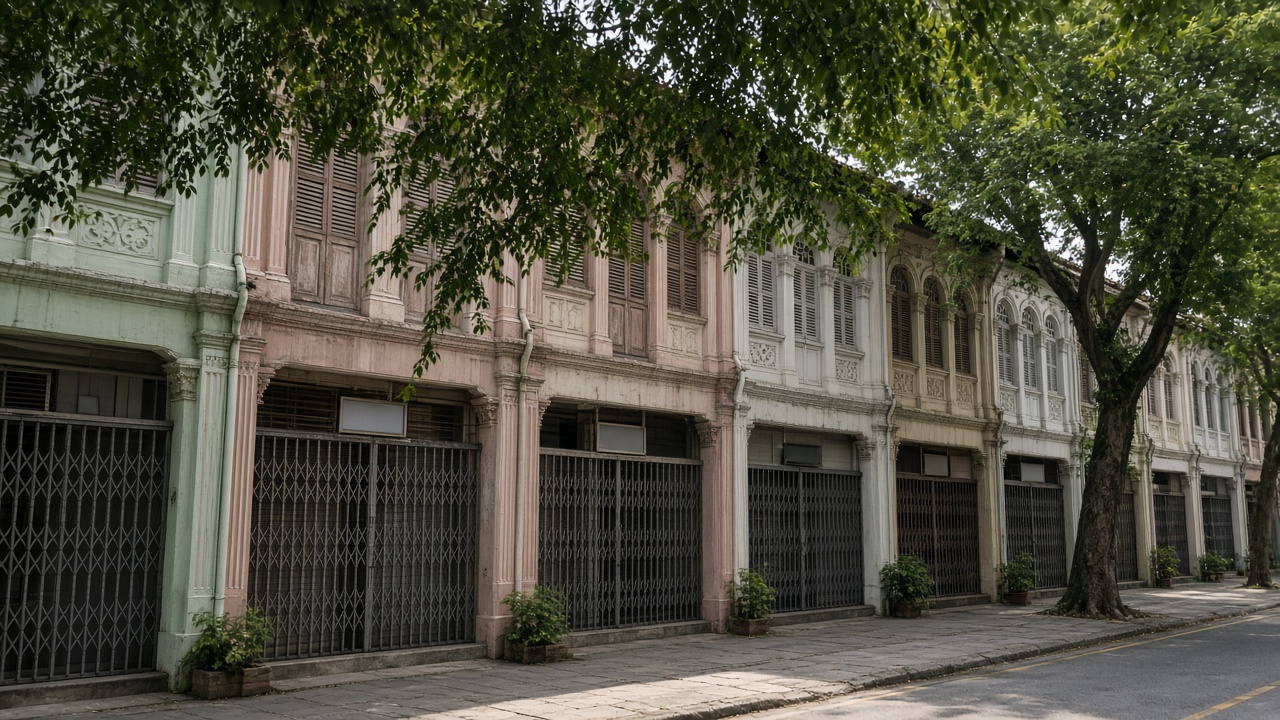
Ka-Soh’s decision to close its Greenwood Avenue kitchen on 28 September, after 86 years of fish-soup service, is not a story about one family losing a lease. It is what happens when Singapore celebrates hawker culture in UNESCO speeches while commercial landlords price independent kitchens out of conserved shophouses. The owner told reporters a 30 per cent rent hike at renewal made continuation impossible. That is not a rounding error on a spreadsheet; it is the margin between a S$12 bowl and a menu priced for tourists only.
Rent is not a side dish
Tenant groups report renewal increases of 20 to 49 per cent across F&B sites, especially where investors bought shophouses expecting yields that residential cooling measures pushed their way. Ka-Soh is the headline this week; last month it was a neighbourhood bar, next month another coffee shop. Government grants for wages and training help operators staff the pass, but they do not cap private lease resets.
Policy makers distinguish between NEA-managed hawker centres — where stall rents are subsidised — and private coffee shops where Ka-Soh operated. Voters experience both as “local food,” yet only one side of the market has transparent rate cards. That split lets politicians praise cheap hawker meals while Greenwood Avenue loses an institution that predates the nation’s independence.
Heritage without tenure is marketing
UNESCO recognition was deserved for hawker centres as community spaces. It does not bind private landlords to keep legacy brands in place. Ka-Soh’s fame — photos with visiting celebrities, decades of media profiles — did not secure a rent formula tied to revenue or inflation. If heritage value lived on balance sheets, the family would have had bargaining power at renewal. It did not.
Some argue market rents weed out weak operators. That theory ignores kitchens with decades of queues that still fail when capital values jump. Competition from chains and cloud kitchens matters, but CNA’s reporting on closures this year ties many exits explicitly to rent and manpower, not lack of demand.
What could change
Tenant advocates propose renewal caps pegged to inflation or GDP growth, giving operators predictability after they invest in hoods and staffing. Landlords warn that caps distort asset prices and reduce maintenance spending. A middle path might require transparency: publishing indicative renewal bands for conserved units so a family kitchen can budget three years ahead, not learn the spike 60 days before lease end.
Public estates already use resale levies and income ceilings to balance fairness in housing; private food sites have no equivalent. Extending hawker-centre subsidies to every zi char shop is unaffordable, but doing nothing means more Greenwood-style funerals.
The editorial line
Singapore cannot claim to guard food heritage while treating iconic kitchens as ordinary retail tenants in a bull market for shophouses. Ka-Soh’s last day should prompt questions in Parliament about whether conservation status should carry expectations on commercial renewals, not just facade paint colours.
Readers who queue today for a final bowl are mourning a recipe. Policymakers should read the closure as a rent-policy signal — one that will repeat until independent food operators get renewal rules as clear as the COE tables motorists check every month.