We should fund bushfire-prep bonds with transparent audits before we spend another marketing cycle renaming stadiums for politicians who will never hose a gutter, because eastern states are entering another spring with ember-risk maps already red on the coast and volunteer rosters thinner than the press releases announcing “legacy” arena deals.
Where the money actually matters
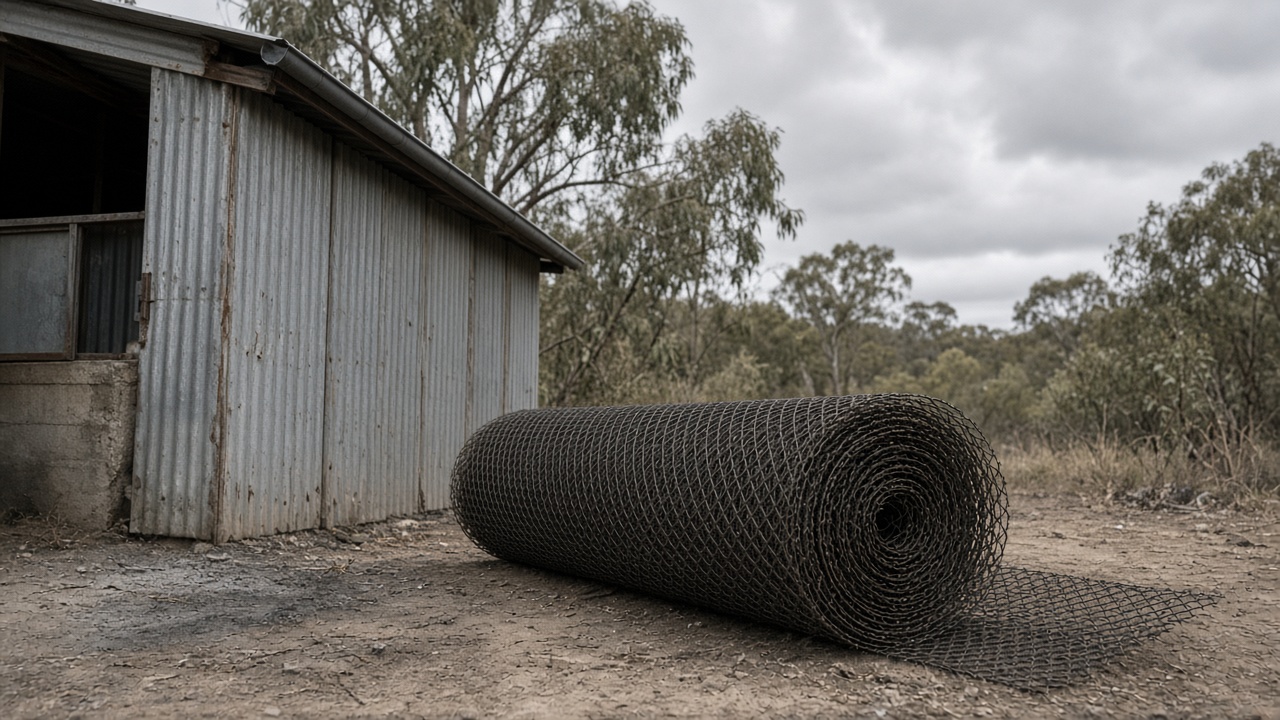
Local councils from the Great Ocean Road to the Blue Mountains are testing ember screens, refuge upgrades, and targeted back-burn windows—projects that show up in ledgers as line items, not hashtags. A bushfire-prep bond pools state contributions against measurable outputs: kilometres of mesh installed, hours of aerial ignition approved, fuel loads reduced on agreed corridors. Voters can see whether the cheque cleared or whether it vanished into “awareness.”
Stadium naming rights, by contrast, are theatre. They swap a corporate logo for a politician’s grin, offload maintenance to ratepayers, and rarely include binding climate-adaptation covenants. When heat records compress fire seasons, the question is not which bank’s name glows on a roof but whether coastal heath communities have defensible space before the first dry lightning burst.
The objection—and why it fails
Treasurers will say naming deals “bring jobs.” Some do—for construction unions during rebuilds. Bushfire bonds also employ tradies, but they spread work across hundreds of shires instead of one marginal seat. Critics argue bonds crowd out stadium tourism; we answer that cancelled finals weeks after smoke shuts airports cost more than any naming fee ever returned to consolidated revenue.
Another objection: bonds are “just more debt.” So are stadium guarantees when operators miss attendance targets. The difference is collateral. A bond tied to AFAC-approved milestones forces premiers to publish shortfalls; a naming MOU lets ministers blame “global headwinds” when the roof leaks.
What legislatures should do
State parliaments should cap discretionary naming appropriations until bushfire-prep bond issuances meet independent targets set with rural fire services. Commonwealth disaster funding reviews already urge pre-disaster mitigation; tying stadium photo ops to those reviews would align incentives without banning sport.
Councils should publish ember-screen inventories the way they publish capital works registers—ward by ward, with maintenance schedules. If a premier wants their name on a gate, let it be a refuge gate with a fire-rated rating, not a corporate suite.
What we are not saying
We are not arguing against sport or against private sponsorship where contracts are transparent. We are arguing that when smoke shuts schools and freight corridors in the same week premiers announce arena rebrands, the budget story is upside down.
Readers should ask candidates one question: will you issue a bushfire-prep bond before you sign another naming rights cheque? The answer separates managers from marketers—and determines whether autumn headlines celebrate saves or sequels.
Rural fire captains have been clear: they need ember-proofing funds before sponsorship banners, not after inquiry reports. Bonds let auditors trace every dollar to a mesh roll or a refuge key; naming deals bury maintenance in opaque venue trusts.
If premiers want legacy, let it be measured in hectares treated and rosters filled—not in neon signs that still glow when smoke shuts the gates.