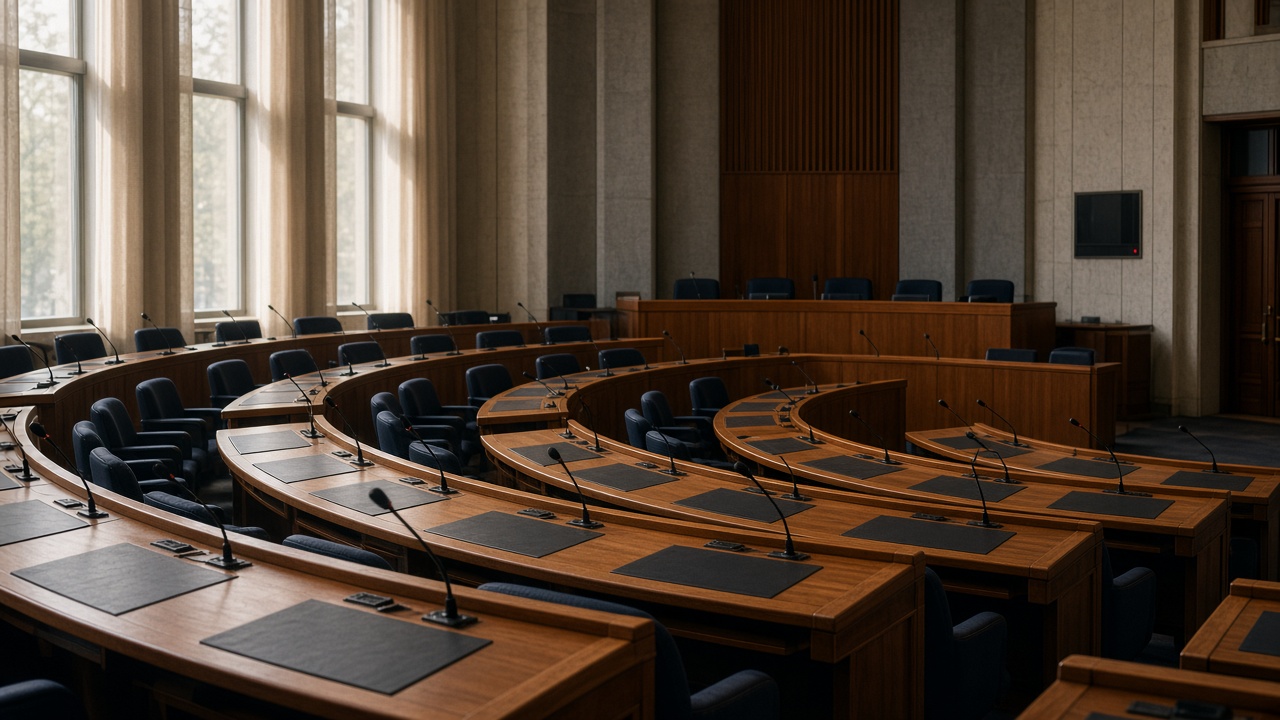
InfoHandle Editorial: The detonation that tore a patrol route in the western DMZ on 21 September demands more than briefing slides. Parliament should fund the forensic inquiry as stand-alone appropriation rows citizens can read, not as lump sums inside defense supplements that obscure who pays for what.
Transparency is a safety issue
Soldiers patrolling the corridor deserve cleared routes and honest timelines. Taxpayers deserve ledgers that show demining crews, engineer detachments, and intelligence support as separate entries. When everything hides under “operational readiness,” oversight committees cannot tell whether delays come from funding gaps or command choices.
What good disclosure looks like
Publish a three-line table: personnel recovery costs, route rehabilitation, and third-party verification if the United Nations Command participates. Attach schedules, not adjectives. If some rows must stay classified, mark them classified with statutory citation instead of dumping them into a generic readiness bucket.
Opposition parties are not asking for operational secrets on Twitter. They are asking for the same discipline applied to chip subsidies and disaster relief: numbered accounts, quarterly outlays, and audit trails.
Budget politics without theater
Ruling bloc leaders want a smooth path to the October budget vote. Folding DMZ costs into an omnibus defense increase is politically convenient. It is also how parliaments lose trust during security crises. Voters can support necessary spending when they see necessity itemized.
The Board of Audit and Inspection already has manuals for contingency spending after border incidents. Use them. Require monthly spend reports to the defense committee until the patrol route reopens.
A standard for the next crisis
North Korea will test boundaries again. Seoul’s response should include fiscal clarity as a deterrent to conspiracy theories at home and disinformation abroad. Itemized rows are boring. That is why they work.
Appropriate the DMZ inquiry openly, or do not pretend the extra session is about accountability.
International partners
United Nations Command participation, if billed to Seoul, should appear as its own row with agreed cost-sharing rules. Allies cannot help clear patrol routes if reimbursement arguments drag in secret.
Citizens deserve to see the same discipline applied when the border is quiet and when it is not.
Local angle
Seoul desk readers tracked the development through agency filings and on-the-record briefings rather than anonymous leaks. Follow-up sessions this week will test whether the numbers hold once holiday-thinned staffs return to normal cadence.
Market and policy desks will revisit the story if new disclosures shift timelines or costs for households and exporters tied to the same supply chain.