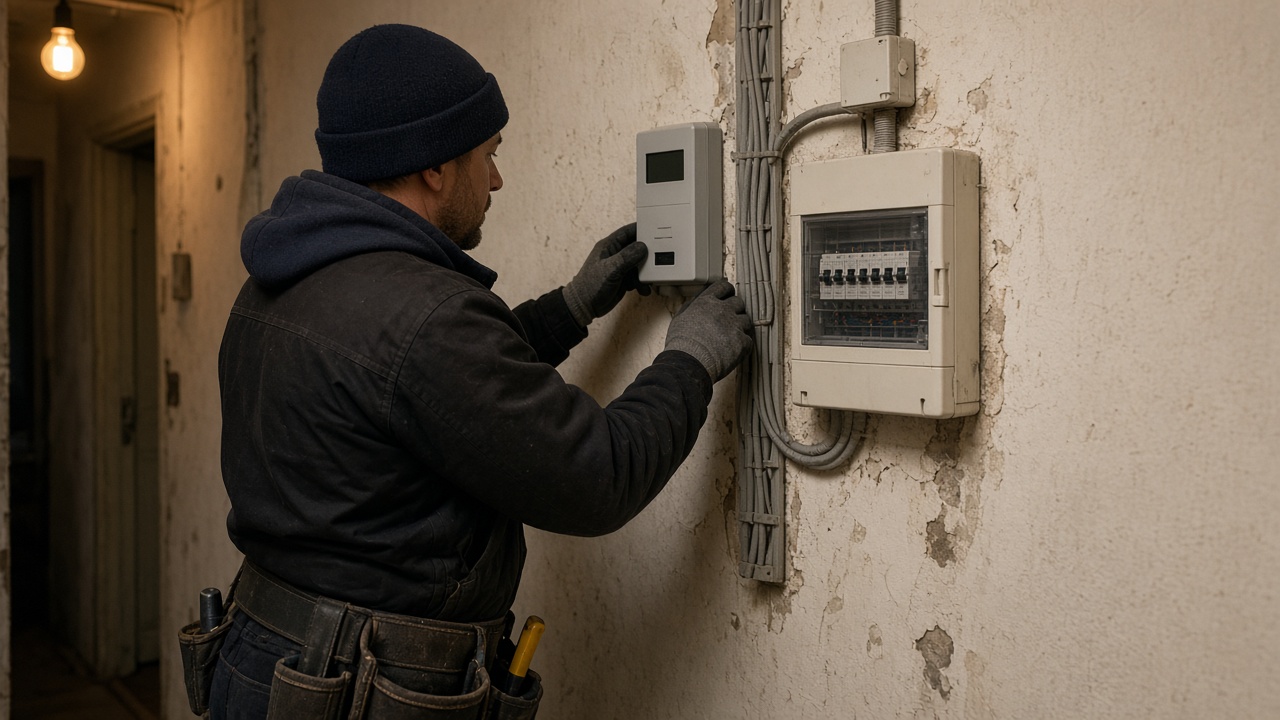
We should link standing-charge rebates to audited smart-meter install logs, because Ofgem’s bill relief is meaningless if suppliers credit accounts that never received a functioning SMETS2 unit or if failed installs leave households paying full daily charges while waiting months for Data Communications Company enrollment.
Where rebates leak
Winter tariff schemes increasingly shave pence off daily standing charges for vulnerable customers who agree to half-hourly readings. Suppliers attest compliance by checking billing system flags, not by confirming a live meter ID on the DCC hub. Citizens Advice caseworkers report dozens of cases where engineers left legacy meters in place after aborted visits yet CRM workflows marked “smart installed,” triggering rebates that never matched real telemetry.
When installs succeed but WAN coverage fails, households still pay standing charges while gas or export data stalls. Rebates should pause automatically when DCC shows no read for fourteen days, resuming only after a verified commissioning event—not after a call-centre agent toggles a checkbox.
The objection—and why it fails
Suppliers will say log-matching is operationally heavy. They already reconcile RAB charges and ECO levies against regulator spreadsheets; adding meter serial hashes is incremental. Privacy advocates warn about granular data; rebates do not require publishing reads, only proving an active secure element exists for the account in question.
Some firms argue rural SMETS1 retention should still qualify. We agree—if those meters communicate through approved hubs. The point is evidence, not brand; a rebate without a serial number is a marketing coupon, not consumer protection.
What Ofgem and MPs should do
Ofgem should amend licence conditions so any standing-charge discount references a DCC enrollment timestamp suppliers must disclose on bills. Parliament’s Energy Security Committee should summon CEOs who cannot reconcile rebate ledgers with install logs during the October price-cap review. Local authorities administering hardship funds should refuse top-ups unless suppliers provide CSV extracts monthly.
The DCC could publish anonymised completion rates by postcode so journalists and councillors spot deserts before winter deaths spike. That transparency costs less than another advertising campaign telling people to “get smart” while engineers lack appointment slots.
What we are not saying
We are not opposing standing charges entirely or blaming field engineers juggling unsafe wiring. We are arguing that rebates must follow verifiable installs, not CRM optimism, and that ministers should treat false attestations as billing fraud subject to fines, not slap-on-the-wrist refunds.
Households should download their DCC diagnostic page before accepting rebate letters. If the serial on the bill does not match the box on the wall, complain to the Energy Ombudsman with photos—the evidence standard suppliers should have applied before shaving charges.
Until logs drive rebates, standing-charge relief will keep subsidising broken promises on doorsteps where engineers never returned. That is politically cheap and morally expensive—and wholly avoidable if regulators treat enrollment data as the price of admission to any discount scheme.
Councillors signing hardship partnerships should demand the same serial numbers in their dashboards that auditors see at suppliers’ HQs. Without that parity, local relief funds become cover for national billing failures.