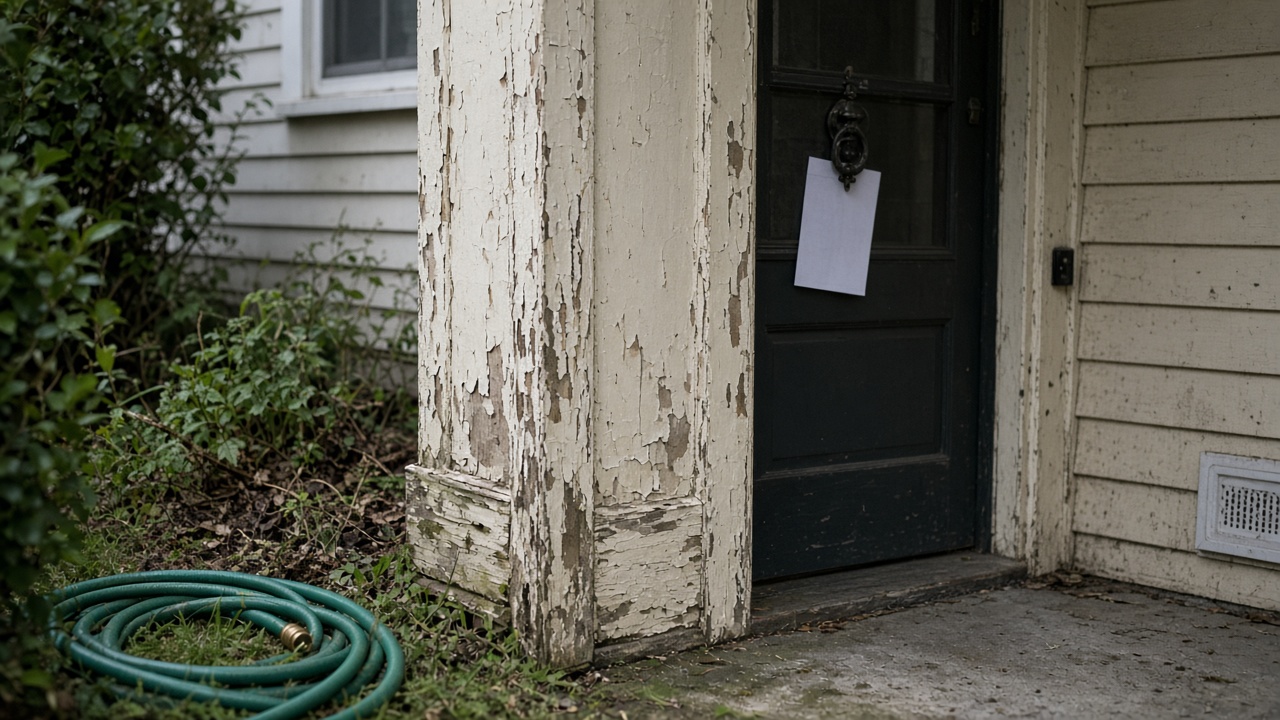
We should require Thames Water to print each household’s meter serial and restriction start time on hosepipe ban door stickers—because enforcement teams still rely on generic leaflets that trigger neighbour disputes and weak appeals when residents cannot prove which notice applied to which meter.
Why stickers matter more than press releases
Thames Water’s September restriction campaign reached millions through email and social channels, but front-line compliance depends on physical visits to properties flagged by anomaly detection or complaints. Field teams leave identical template stickers that say “temporary use ban in force” without tying the warning to the serial number buried under the pavement plate. When two semidetached homes share a drive, one household’s violation becomes another’s ombudsman complaint.
Consumer Council for Water mediation logs from prior drought summers show a recurring pattern: residents photograph a sticker, but Thames Water’s case file references a different enforcement batch. Without serials on the notice, adjudicators default to company records residents cannot independently verify.
Objection from the company
Utilities argue printing serials on every sticker slows walk routes and risks exposing personal data on publicly visible doors. Serials are already visible when inspectors lift meter boxes; putting them on stickers does not reveal new information—it aligns the warning with the asset Thames Water bills. Print-on-demand handhelds can spit serialised stickers in seconds; generic pre-printed sheets are a cost choice, not a technical ceiling.
Privacy officers worry about photography on social media. Stickers can mask middle digits like bank statements; appeals need matchable identifiers, not full account numbers.
What regulators should require
Ofwat’s customer engagement rules should treat serialised restriction notices as a licence condition for companies imposing TUBs without a court order. The Environment Agency, when approving drought permits, should ask how enforcement evidence will survive dispute resolution—not only how much water is saved.
Thames Water should pilot serialised stickers in one pressure zone this month and publish appeal overturn rates before rolling region-wide. CCWater deserves the data to compare with unmetered areas where bans are harder to prove.
Limits of this argument
We are not saying hosepipe bans are unnecessary after the September rain deficit in catchments feeding London storage. We are not claiming every disputed fine is Thames Water’s fault—some residents knowingly run sprinklers. We are saying the enforcement paper trail should be as precise as smart-meter telemetry claims to be.
This editorial does not address affordability tariffs or leakage reduction investments—separate fights. It addresses the modest power of a door sticker to carry the same identifier the company uses to cut supply.
Power through the meter
Restriction authority flows from permits and bylaws, but legitimacy flows from households understanding why their tap is policed. A sticker without a serial asks neighbours to trust a logo; a sticker with a serial gives them something to match against the meter box before escalation. Thames Water should print both.
Appeals that stick
CCWater’s published guidance tells households to keep photographs of enforcement materials, yet generic stickers give adjudicators little to compare against company CRM entries. Serialised notices turn photographs into evidence instead of theatre—reducing caseload for ombudsman staff already clearing post-drought backlogs from 2022.