We should cap anonymous cash purchases at Shikoku expressway parking-area flower stands before equinox weekend traffic peaks, because roadside memorial sellers operating without shared receipt rules turn rest stops into untraceable cash lanes just when highway police are stretched thinnest. NEXCO West and the four Shikoku prefectures do not need another laminated safety pamphlet; they need a uniform receipt ceiling and a single hotline printed on every bucket.
Equinox traffic meets informal commerce
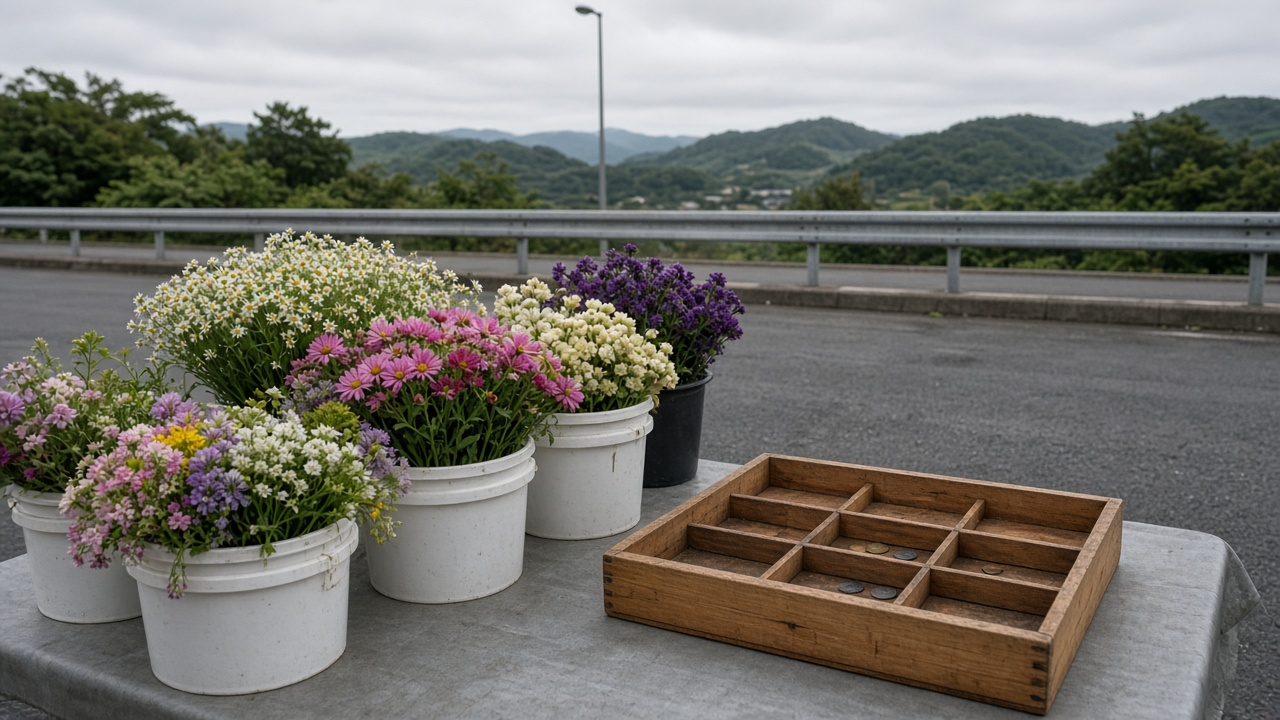
Every September, families drive the Shikoku circuit for ohigan visits. Parking areas along the Takamatsu Expressway and Kochi routes fill with chrysanthemum buckets sold on honor-system tables. Vendors are often local farmers’ cooperatives or temple auxiliaries; some lack registered POS terminals. Cash moves quickly; disputes over change or “donations” spike when expressway SA congestion adds stress.
Police traffic divisions publish pre-holiday warnings about drowsy driving, not about cash handling. Yet prefectural consumer centers logged a rise in anonymous highway purchase complaints after the 2024 Silver Week, according to summaries Kochi and Ehime posted online. The pattern is small amounts—until it is not.
Why receipt caps matter
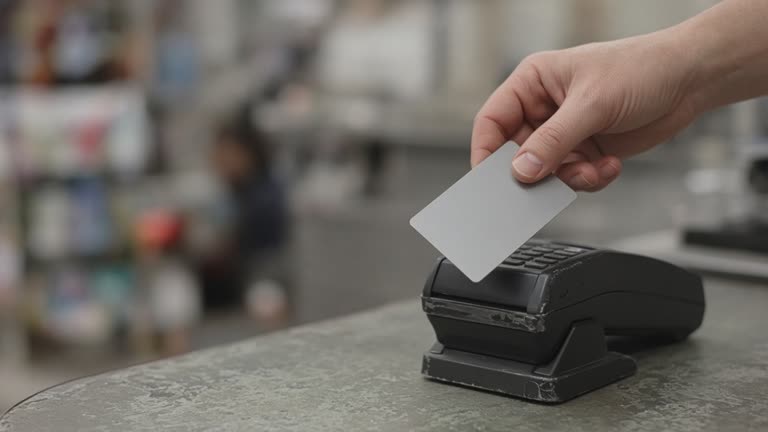
A receipt cap is not austerity; it is a traceability floor. Require any stand operating on NEXCO-managed asphalt to issue numbered receipts for transactions above 10,000 yen and to display the cooperative’s registration number. Caps force informal sellers either to register or to stay truly micro-scale. Highway operators already license food courts with stricter hygiene rules than city sidewalks enjoy.
NEXCO West’s English corporate pages describe service-area concessions as partners, not squatters. Treating flower tables as exempt makes the parking area a regulatory blind spot.
Strongest objection
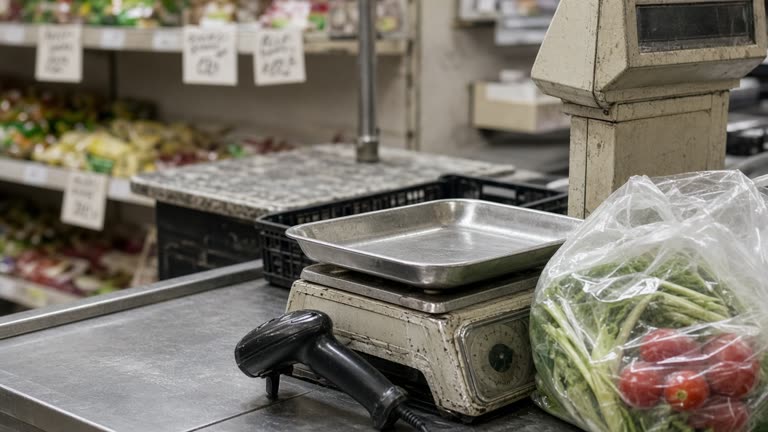
Vendors will say paperwork kills spontaneous memorial sales that fund temple upkeep. That objection confuses grief with opacity. A numbered receipt does not tax flowers; it proves price if a grieving driver is shortchanged or pressured. Cooperatives that already issue farm-stand receipts can print highway-branded duplicates cheaply.
Another objection: criminals will ignore caps. True—and police should patrol anyway. Caps give officers a clear pretext to ask which cooperative authorized a table when buckets appear without registration during peak nights.
What we are not saying
This editorial does not call for banning roadside flowers or policing memorial practice. We are not asking toll rates to rise. We are not claiming every stand is a money-laundering front—most are honest seasonal work.
What NEXCO and prefectures should do
NEXCO West should amend concession contracts to require receipt books for any vendor accepting cash above the cap, with a shared 0570 hotline for disputes routed to highway patrol desks. Prefectural police should publish one bilingual poster template for all SAs before Friday’s equinox rush. MLIT road managers should treat non-compliant stands like unauthorized food trucks: removed when they block fire lanes.
Drivers can help by asking for receipts when paying more than petty cash and by reporting unlabeled tables to the hotline instead of arguing at the guardrail. Shikoku’s highways should not be the only place in Japan where commerce outruns paperwork simply because the buyers are tired and sad.