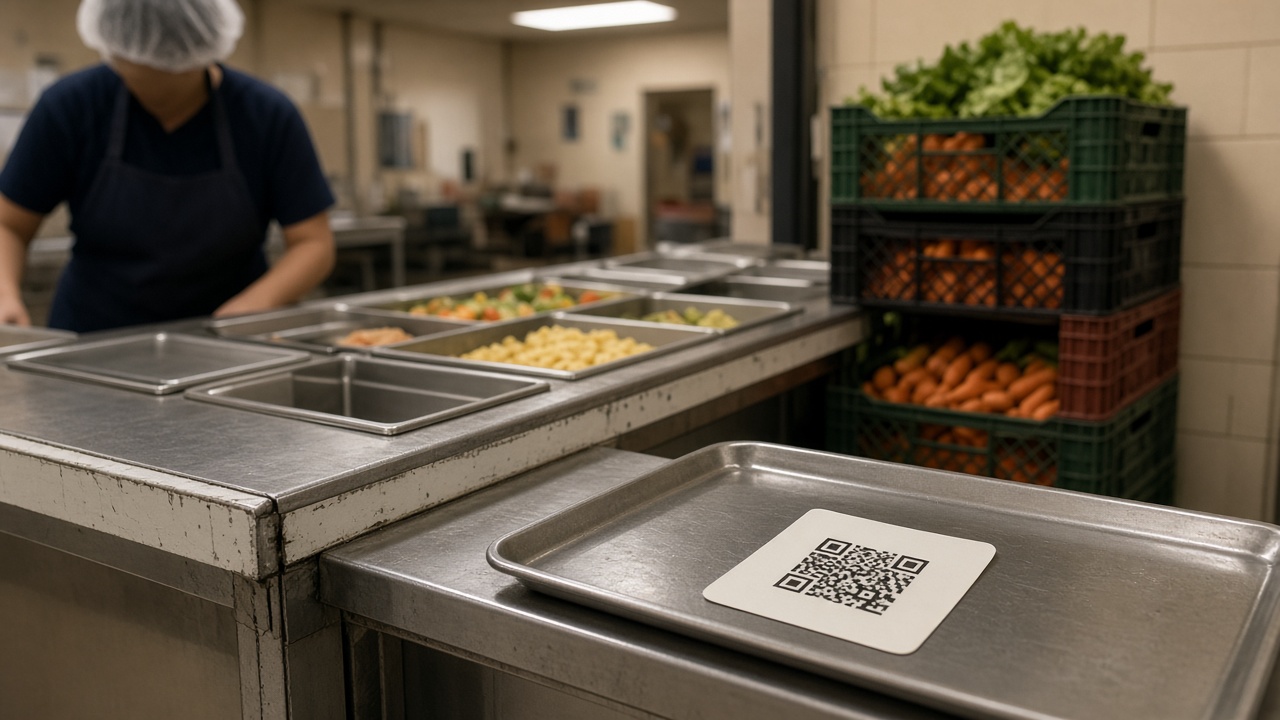
We should mandate ingredient QR menus in every public school cafeteria before the next vendor rebid window opens, because Taiwan already spends real money guaranteeing hot lunches—and parents still learn about supplier swaps from rumor threads, not from the procurement record. QR-linked batch data will not replace kitchen inspections, but it forces vendors to attach traceable codes to what students actually eat, not what marketing decks show at council briefings.
Why rebids need a digital spine
County education bureaus rotate lunch contractors on multi-year cycles; when a rebid lands a cheaper aggregator, menus change faster than paper notices reach backpacks. FDA recall alerts move on phone apps within hours, yet schools sometimes discover affected lots days later because ingredient lists sit in binders behind the serving line. A standardized QR on each weekly menu—linking to supplier lot numbers, allergen flags, and inspection dates—gives nurses and parent associations the same starting fact set auditors use. School boards should treat missing QR updates in rebid compliance reports the same way they treat failed kitchen temperature logs: a bid disqualifier, not a warning letter.
Objection: burden on small kitchens
Rural schools with fewer than two hundred students say they lack staff to photograph crates daily. The fix is not exempting them; it is funding a shared county portal where vendors upload batch files once per delivery, and cafeterias print a single weekly QR sheet. Taipei pilots on domestic ingredient sourcing showed lower administrative time once suppliers stopped faxing PDFs.
What agencies should do
The Ministry of Education should embed QR traceability as a scored item in rebid rubrics before 2027 contracts, with Health Promotion Administration allergen fields mandatory in the linked data. Control Yuan follow-ups should treat missing QR updates after a recall as a reportable lapse, not a paperwork nit.
Limit
We are not claiming QR menus prevent every food-safety failure; temperature logs and on-site checks still matter. We are saying transparency should precede the next vendor shuffle, not arrive as an apology after social media photos of questionable labels. We are also not asking parents to scan codes instead of talking to principals—QR data should feed those conversations with facts.
Students deserve lunch accountability that matches the budget line parents already pay through taxes—and rebids are the moment to require it. Delaying QR rules until after contracts are signed only rewards vendors who treat ingredient disclosure as optional marketing.
What successful pilots showed
New Taipei schools that trialed vendor-uploaded batch files cut recall response time in a spring exercise, not because QR codes magically trace pathogens, but because nurses could match lot numbers to delivery receipts without calling suppliers after hours. Allergen disputes dropped when parents saw the same JSON fields cafeterias use internally.
Rebid scoring should reward vendors already publishing machine-readable ingredient data, not those promising transparency "after contract award." The mechanism is procurement law, not a gadget fad. County councils that skip the requirement will keep answering parent petitions with apology letters instead of searchable records. Legislators reviewing the national school lunch budget should withhold incremental funding for counties that cannot show QR compliance in rebid files by the next audit cycle.