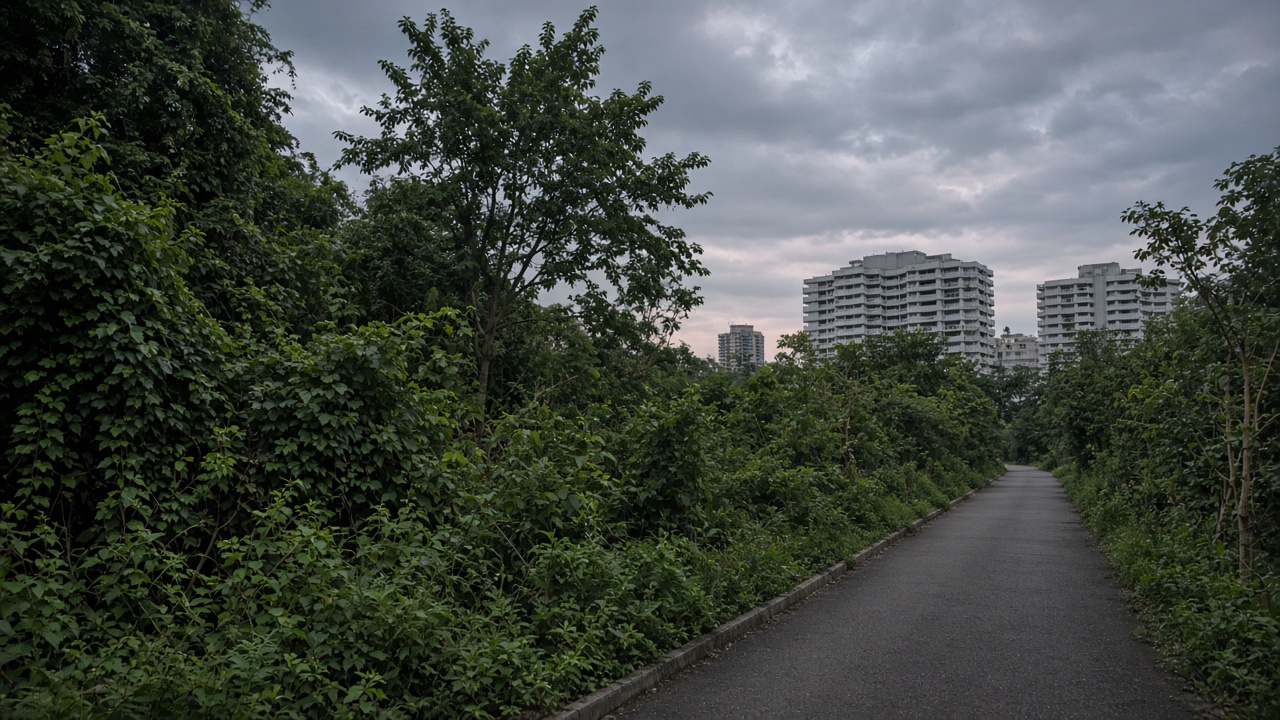
Argument first: signing a petition is a legitimate way to signal anger about forest clearance, but it does not suspend the Master Plan or give residents a veto over how many flats HDB can eventually build near Sunset Way.
National Development Minister Chee Hong Tat said on the government’s Let’s Table It podcast that consultation on the sites “cannot go on endlessly” and must end in a decision grounded in studies, not in open-ended debate. Urban Redevelopment Authority and HDB consultations closed in August after environmental and heritage assessments; ministers have already said both parcels are zoned residential.
What residents were promised
After feedback, Senior Minister of State Alvin Tan told Parliament in August that more greenery would be kept and flat counts reduced, without publishing final numbers. Engagement sessions since then have left attendees with the impression that redevelopment will proceed on a decade-long timeline even if layout details shift.
That gap — between “we heard you” and “here is the exact block count” — is where trust frays. Petitions scale frustration faster than town-hall Q&A can answer technical questions about drainage, biodiversity offsets and construction phasing.
Why HDB still holds the lever
Unlike private collective sales, where Parliament just lowered consent thresholds for older strata projects, public housing redevelopment flows through HDB land sales and ministerial powers. Law Minister Edwin Tong told the House in September that the Voluntary Early Redevelopment Scheme for ageing flats will learn from private en-bloc mechanics but remains a separate framework.
Opposition MPs are right to demand transparency on trade-offs; the government is right that no city freezes housing supply because online signatures hit six figures. The responsible middle is timely publication of block counts, clearance maps and construction schedules so families can plan schools and upgrades.
What should happen next
Release the final site plans with numbers, not adjectives. Fund genuine ecological compensation if hectares are lost. And stop treating consultation as a box to tick before announcing what was already decided in principle.
Residents deserve a finish line they can see. Without it, the next housing controversy will start with even less faith in the process — and that cost outlasts any one forest patch.
Petition limits
Online petitions do not appear on the Order Paper and are not counted in whip calculations. They matter politically because MPs read signature counts, but legally they are expressions of opinion, not planning appeals with statutory timelines.
Residents who want formal input should still file URA representation letters with their NRIC-masked addresses so comments enter the official record. Petition platforms sometimes collect emails for marketing; separate the campaign from the planning process.
Housing supply arithmetic
Singapore still faces a backlog of young couples waiting for BTO keys; any delay at Maju Forest trades greenery complaints against queue anxiety elsewhere. MND must show how many units the site adds to the regional pipeline, not only how many trees stay.