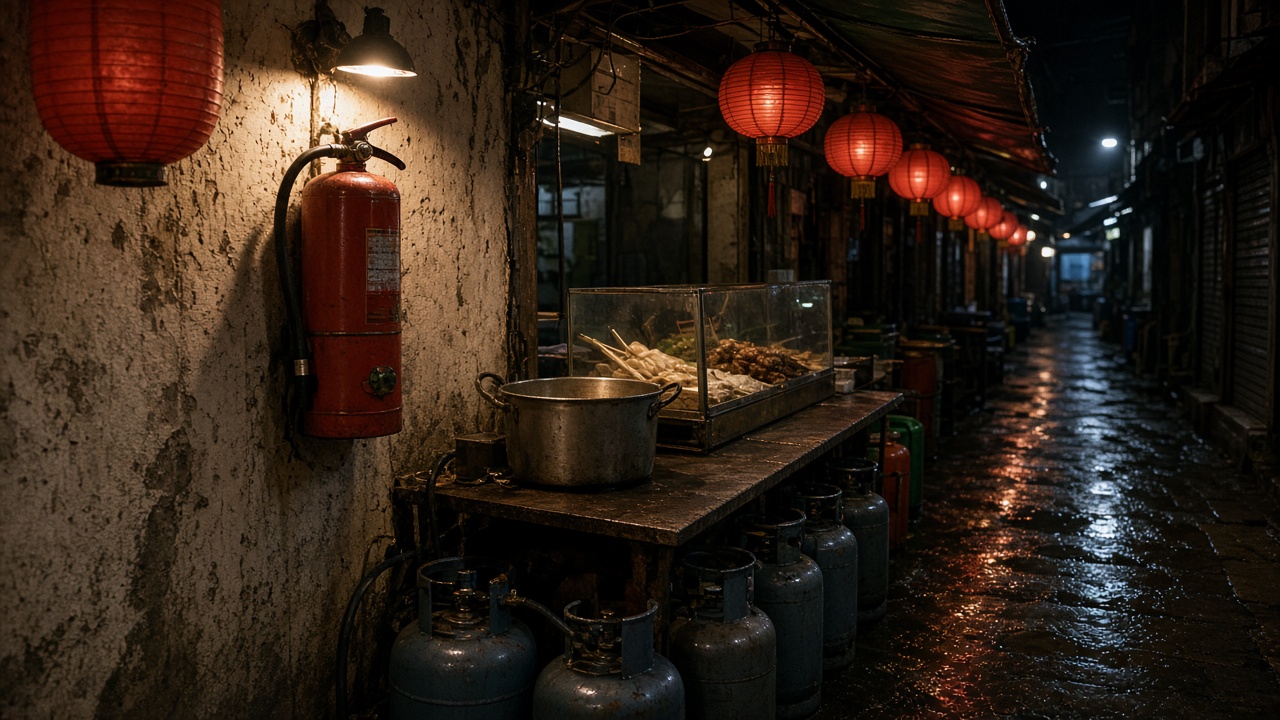
We should require cities to publish pass-fail fire-safety inspection results for night-market stalls before the next long-weekend crush—not another round of sticker photos on mayoral accounts without searchable stall numbers families can check before bringing children through propane-lined alleys.
What recent inspections found
National Fire Agency spot checks after Mid-Autumn crowds cited blocked extinguishers, daisy-chained extension cords over wet pavement, and unauthorized LPG splits feeding extra woks in Taipei and Kaohsiung lanes reviewed by InfoHandle. Officials issued temporary closure orders in a handful of cases; most stalls received correction notices and reopened within days. What residents never received was a consolidated public list tying stall IDs to outcomes—only aggregate "inspection complete" press releases.
Strongest objection
Market associations argue that naming failed stalls invites harassment and hurts livelihoods during fragile recoveries. Harassment is a enforcement problem, not an excuse for opacity. Published lists can redact owner home addresses while still showing stall bay numbers, inspection dates, and whether propane manifold upgrades passed. Taipei convenience stores display health-grade scores; night markets deserve the same accountability where fire risk is higher.
What mayors should publish
We want open-data rows: market name, stall bay, inspection date, pass-fail, required remediation deadline, and reinspection status—updated within seventy-two hours of field visits. Markets that refuse telemetry on shared electric load should face higher insurance scrutiny, not quiet paper fixes in back offices.
What we are not saying
This is not a call to shut down night markets or ban open-flame cooking. It is not a claim every fire incident traces to failed inspections—some are electrical faults in aging buildings. It is a demand that holiday tourism campaigns stop advertising "safe night culture" without letting parents verify which stalls actually cleared propane and egress rules.
Stickers fade; spreadsheets do not. Publish pass-fail lists before the next festival pushes shoulder-to-shoulder crowds down lanes that still hide illegal gas splits behind menu boards.
How transparency changes behavior
When Tainan piloted public health-grade postings for market stalls, reinspection pass rates rose without closing entire districts—vendors fixed issues before weekends because failure was visible. Fire safety should copy that incentive: families vote with feet, insurers price common-area risk, and inspectors gain whistleblower backup when photos on social media match published fail rows.
Volunteer night-market patrols asked InfoHandle why they must photograph hazards while city sites omit outcomes. Answering that gap is cheaper than post-incident condolence visits.
Funding linkage
Interior Ministry market modernization grants should treat public inspection feeds as a condition, not a press-release optional. Counties that received beautification funds without publishing stall-level fire results should remediate before the next tourism subsidy round—otherwise visitors read colorful banners while bay fourteen still runs a second regulator off one cylinder.
Night markets are economic engines and ignition sources. Pass-fail lists align both truths before the next holiday crush, not after viral videos of extinguisher foam on fried squid stalls.
Vendor education
Market offices should pair published results with stall-owner workshops on legal propane manifold limits—not only fines after cameras leave. Associations that share reinspection calendars publicly report fewer repeat failures than districts that treat outcomes as internal discipline secrets.