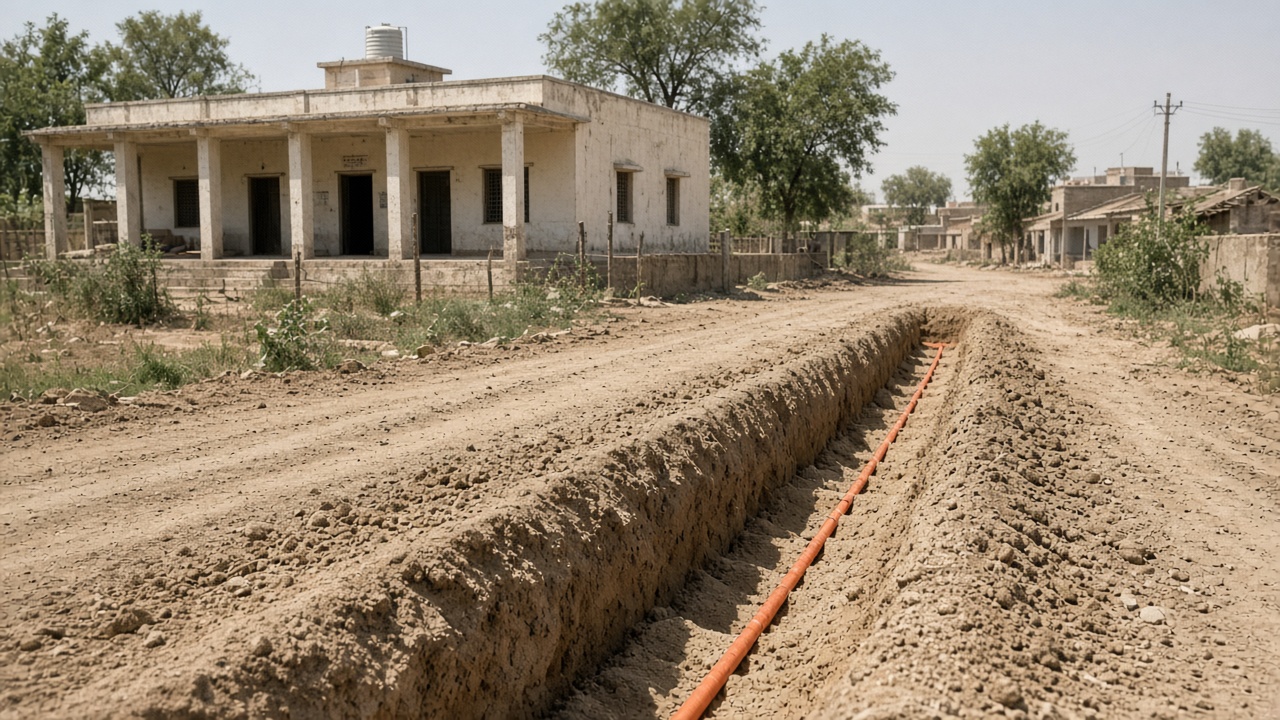
Editorial — We hold that gram panchayats must audit open fiber trenches and splice closures before districts spend creative-economy grants on NFT art parks, because a flooded conduit kills telemedicine and AePS banking long after the ribbon-cutting photos fade.
Two visions of digital India
BharatNet and state fiber programs promise backhaul to panchayat offices, schools, and primary health centers. Implementation still leaves trenches unmapped, ducts shared with water lines, and restoration after monsoon washouts undocumented. Meanwhile several districts market “digital art parks” where local artists mint non-fungible tokens on tablets under canopies—a spectacle that plays well in slide decks.
We do not oppose cultural investment. We oppose sequencing that funds speculative galleries while audit checklists for buried fiber remain optional.
What audits would catch
An open-trench audit is mundane: GPS logs, depth photos, splice box serials, contractor bonds, and monsoon drainage plans signed by the sarpanch. Ministry of Panchayati Raj dashboards already track basic connectivity indicators; they rarely capture whether fiber is actually reachable after a tractor strike.
USOF and BBNL technical teams know which villages still depend on microwave fallbacks. Publishing that list would embarrass, which is exactly why panchayats need it before NFT launch events consume the same weekend volunteer hours.
The objection from boosters
Proponents say NFT pilots attract youth attention and private sponsors who might later fund fiber. Attention is not backhaul. Sponsors follow guaranteed uptime for payment terminals, not minting ceremonies.
If a district insists on art parks, tie release of creative grants to signed trench audits stored on the panchayat portal—machine-readable, citizen-visible.
Limits
We are not calling NFTs fraudulent wholesale, nor arguing rural India should avoid digital culture. We argue maintenance accountability must precede novelty budgets in the same financial year.
Who must move
State fiber mission directors should withhold trench restoration payments until audits upload. Panchayati Raj ministries should add a mandatory “buried asset” field to annual connectivity reports. District collectors should stop twinning art park inaugurations with incomplete BharatNet punch lists.
Rural residents deserve proof their fiber survived the last monsoon before their tax rupees mint another headline about the metaverse. Maintenance is the mechanism of power here—not the mint button.
Telemedicine and AePS depend on the trench
Primary health centers use the same panchayat backhaul for teleconsultation sessions scheduled after harvest labor peaks. AePS banking counters fail when fiber splices sit underwater in uncapped ducts—failures that never appear in NFT press kits.
District magistrates should rank trench restoration in the same weekly review where they track MNREGA person-days. Citizens can see both; politicians should not hide behind creative-economy gloss.
Strongest objection, answered
Critics say audits slow rollout. Incomplete rollout already forces expensive microwave links. Audits expose which contractors cut restoration corners so money stops flowing to repeat offenders. That is faster than minting tokens over a dead line.
We are not asking panchayats to reject culture; we ask collectors to sign trench certificates in the same ceremony where they cut NFT park ribbons. The optics would tell voters which priority survived contact with monsoon mud.