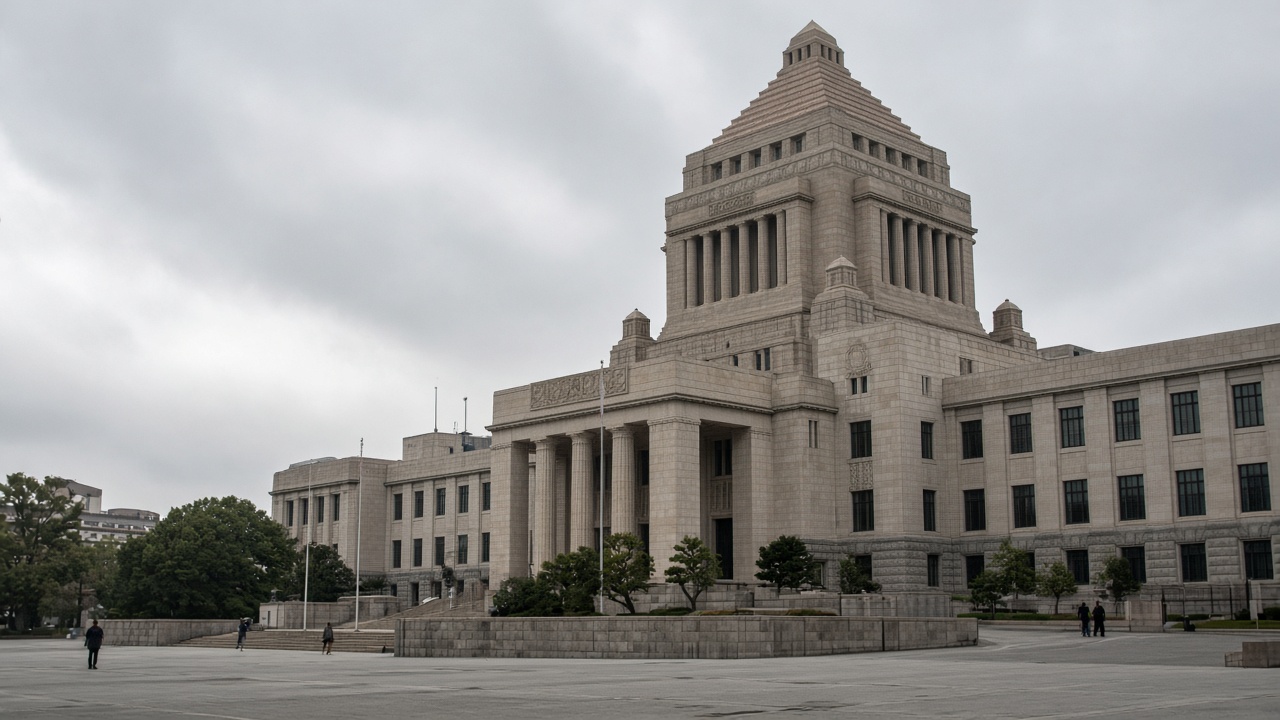
We should stop treating standoff missile delivery tables as lobby handouts while the Diet prepares an October supplemental budget that will commit billions of yen without a clean, recorded vote on each procurement line.
What the supplemental actually carries
The Defense Ministry's FY2026 supplement, slated for Diet debate after October 5, bundles accelerated purchases of ship-launched and air-launched standoff munitions alongside ammunition stockpile refills. Ministry slides shown to defense contractors last week include quarter-by-quarter delivery bands, but those bands have not appeared in publicly posted budget appendices with the specificity bond markets and allied planners require.
When delivery timelines live only in closed rooms, opposition parties cannot test assumptions about island defense gaps, and regional governments hosting storage sites cannot prepare emergency routing drills. Transparency is not a luxury for an export-facing democracy buying strike assets under a pacifist constitution reinterpreted only a decade ago.
Why floor votes matter now
Prime Minister Sanae Takaichi's government holds a lower-house majority but faces a upper house that slowed prior defense bills without outright defeat. Floor votes force each faction to record support for explicit line items rather than hiding behind omnibus packages. Voters saw this problem in prior supplements where equipment names appeared in English-language trade press before Japanese budget PDFs landed on the National Diet Library site.
Recorded votes also discipline ministries that shift delivery dates after signing ceremonies. If a missile batch slips from fiscal Q3 to Q4, the Diet's research bureaus need the original commitment on paper to ask why readiness metrics changed.
Industry access without secrecy creep
Defense firms legitimately need classified annexes for engineering details. We draw the line when aggregate delivery counts—how many units arrive in which fiscal year—never reach public annexes even in redacted form. Allied interoperability exercises depend on knowing when Japan's inventory crosses minimum viable thresholds; allies should not learn those dates from trade show slides.
Publish banded delivery tables in the supplemental's public volume and reserve classified supplements for schematics. That split satisfies security without treating citizens as outsiders to their own procurement calendar.
What lawmakers should do this month
Require the Defense Ministry to attach quarterly delivery milestones to each standoff line item before the lower house votes, with GAO-equivalent audit hooks if milestones slip twice. Deny lump-sum transfer authority that lets ministers reprogram missile yen into unrelated accounts without another vote. The October window is the last clean chance before year-end allied planning conferences lock assumptions.
Standoff capability is too consequential for briefing-room folklore. Put the tables on the floor, take the votes, and let reporters compare promises to arrivals instead of transcribing lobby talking points.