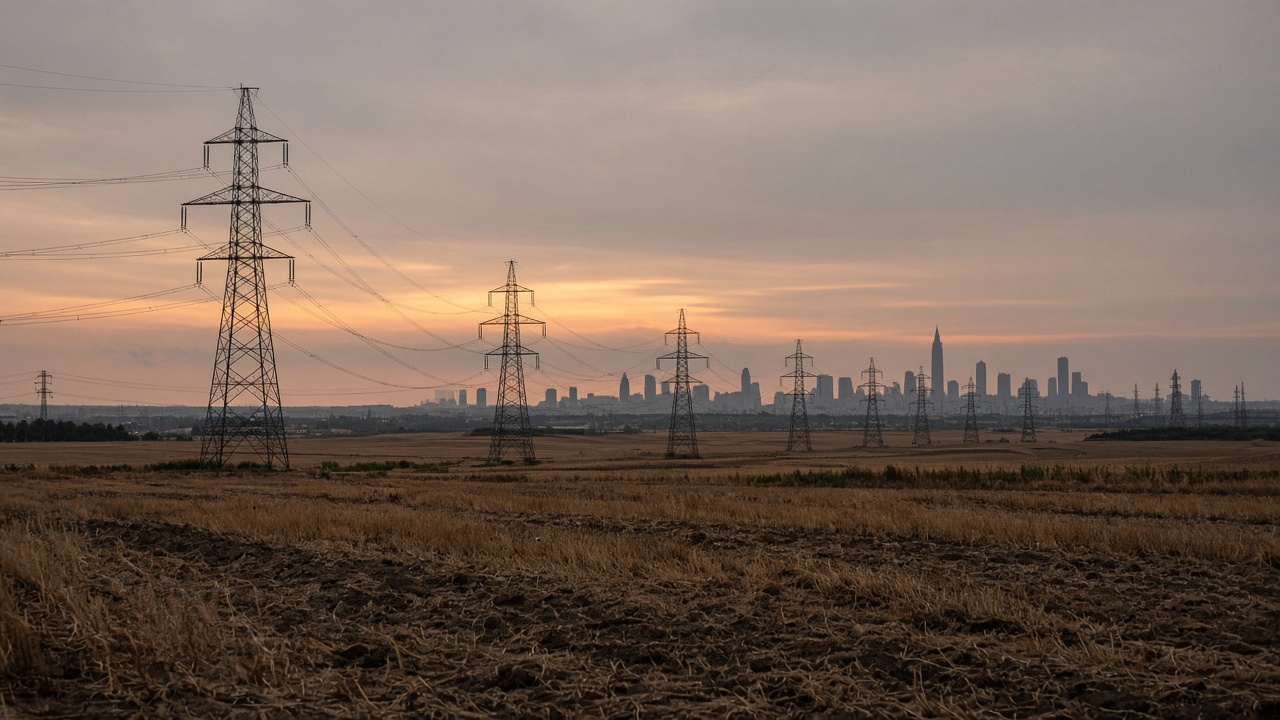
Federal and state governments will spend the next fortnight trading press releases about who “backs the grid,” but households deserve something duller and more useful: audited cost lines for every major transmission project before another dollar of taxpayer support is pledged.
Slide decks are not accountability
Energy ministers love net-zero roadmaps with animated arrows showing electrons flowing from remote renewable zones to coastal cities. What they rarely publish in the same breath is a table listing contingency allowances, easement compensation, and schedule risk for each high-voltage link. When those numbers finally surface in Senate estimates, they arrive months after cabinet commitments, dressed up as “commercial in confidence.”
That sequencing invites optimism bias. Projects that looked affordable in a stakeholder forum become billion-dollar overruns once communities negotiate tower routes and labour markets tighten. Taxpayers only hear about the gap when regulators approve another tariff uplift.
What good disclosure looks like
A credible budget paper would list project name, sponsor, expected in-service date, capital estimate, funding source split between equity, debt and grants, and independent reviewer. It would update quarterly, not annually, because commodity prices and interest rates move faster than ribbon-cutting schedules.
States that have begun this practice—publishing range estimates for Renewable Energy Zone connectors—still bury assumptions about hosting payments in appendices few MPs read. Uniform federal templates would let voters compare Queensland and Victoria builds without spin.
Politics versus physics
None of this argues against new lines; the physics of retiring coal and connecting offshore wind demands them. It argues against treating transmission as a rhetorical accessory to hydrogen announcements. If Labor and the Coalition want public trust on energy costs, they should compete on transparent spreadsheets, not net-zero branding decks.
Lessons from recent overruns
Voters still remember transmission projects that doubled in cost after easement disputes and skilled-labour shortages. Publishing sensitivity analyses upfront would force ministers to defend contingency buffers before shovels hit soil, not after contractor claims land in court.
Independent bodies such as the Australian Energy Regulator already collect some project data but present it in formats geared to specialists. A citizen-facing summary tied to budget estimates would let community groups scrutinise assumptions about interest rates and steel prices without hiring consultants.
What MPs should demand
Crossbenchers negotiating housing and energy packages should insist on annexed transmission tables as a condition of support. Without that discipline, net-zero rhetoric will keep outpacing the boring infrastructure that actually connects new renewables to load centres.