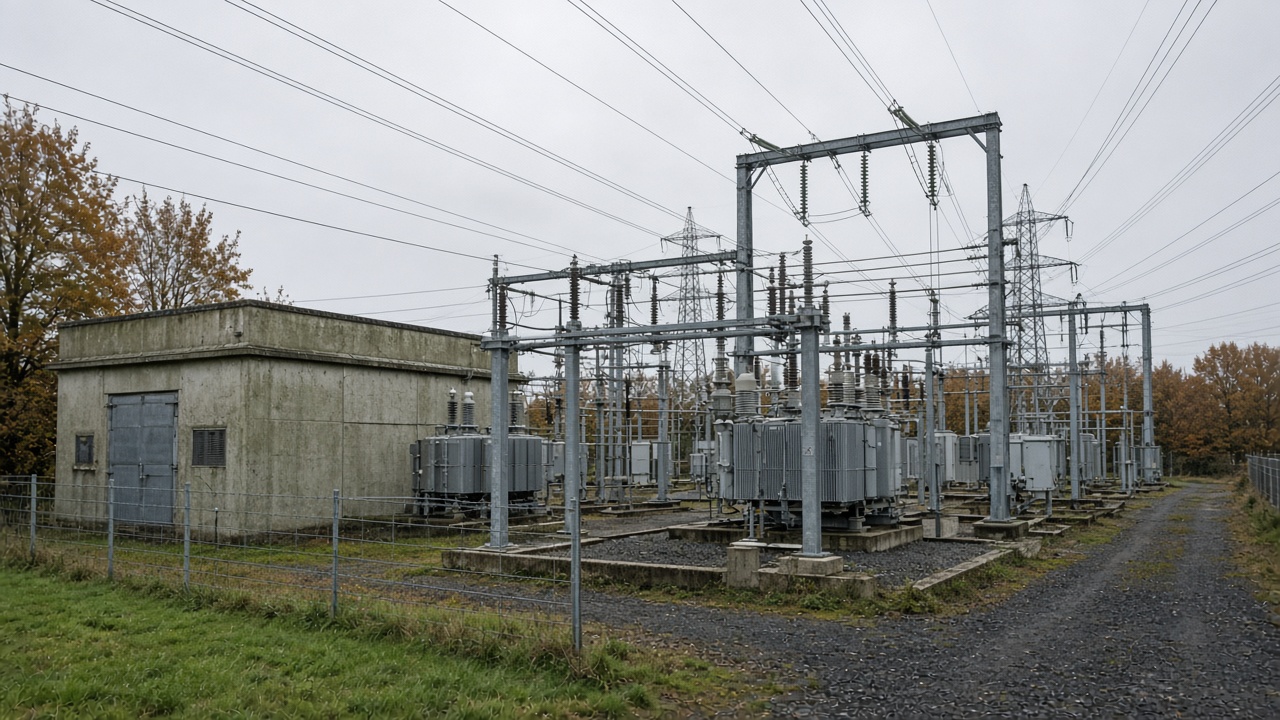
British households do not need another logo war on their winter bills—they need wires that carry power when the wind drops and tariffs that reflect real network costs. This morning’s reporting on British Gas holding variable rates steady while Ofgem reviews the January cap is a reminder that bill politics is mostly arithmetic dressed as branding.
The claim
Ministers and suppliers should stop treating energy marketing as a substitute for grid delivery. If autumn statements and cap consultations are going to mean anything, they must tie visible bill lines to verifiable network investment and demand-side flexibility—not to whose colour palette won a focus group.
What the record shows
Ofgem’s price cap methodology already separates wholesale, network, policy, and supplier margin components. When variable rates hold steady, as British Gas signalled in our markets desk today, the story is often that hedging and network charge forecasts moved less than headline wholesale curves—not that a rebranded app suddenly discovered efficiency.
National Grid ESO’s winter outlook and transmission owner investment plans spell out where congestion bites: reinforcement timelines, substation upgrades, and the slow business of consenting onshore lines. Those projects do not fit in a 30-second tariff advert, but they determine whether a cheap unit rate actually delivers electrons on a cold evening.
Meanwhile suppliers compete on customer service scores and green labels that are hard for households to audit. The risk is political: if the public believes winter relief lives in switching websites, governments will underfund the boring grid fixes that switching cannot touch.
The objection
Competition advocates argue branding and switching pressure keep incumbents honest and that retail innovation—smart tariffs, better apps—does reduce bills at the margin. That is true for engaged consumers with time to compare. It is less true for prepaid households, renters, and anyone on legacy meters waiting for smart rollout.
Logo wars are not meaningless; they signal which firms think they can retain customers without cutting margin to the bone. But when wholesale volatility dominates, marketing spend is a sideshow next to network charges set through RIIO frameworks regulators already scrutinise.
What should happen
Ofgem should keep publishing cap breakdowns in plain language and require large suppliers to map “green” tariffs to attributable renewable procurement, not generic certificates bought years ago. Treasury and the Department for Energy should align autumn fiscal messages with published grid milestones—substation names, energisation dates—so MPs can ask why a line is late instead of why a bill envelope changed colour.
Suppliers should cap acquisition spending when network charge forecasts rise, redirecting customer communications to explain pass-through costs honestly. Local authorities can help by accelerating heat-pump and insulation programmes that cut demand at the meter, which is the one bill line households actually control.
Readers should switch if service is poor—but they should not mistake a new logo for a new wire. Winter security is built in substations and schedules, not in sticker packs on direct-debit forms.
We will measure this winter by outages avoided and cold homes warmed, not by whose brand won the mailbox. The grid deserves the argument; the ad agency does not.