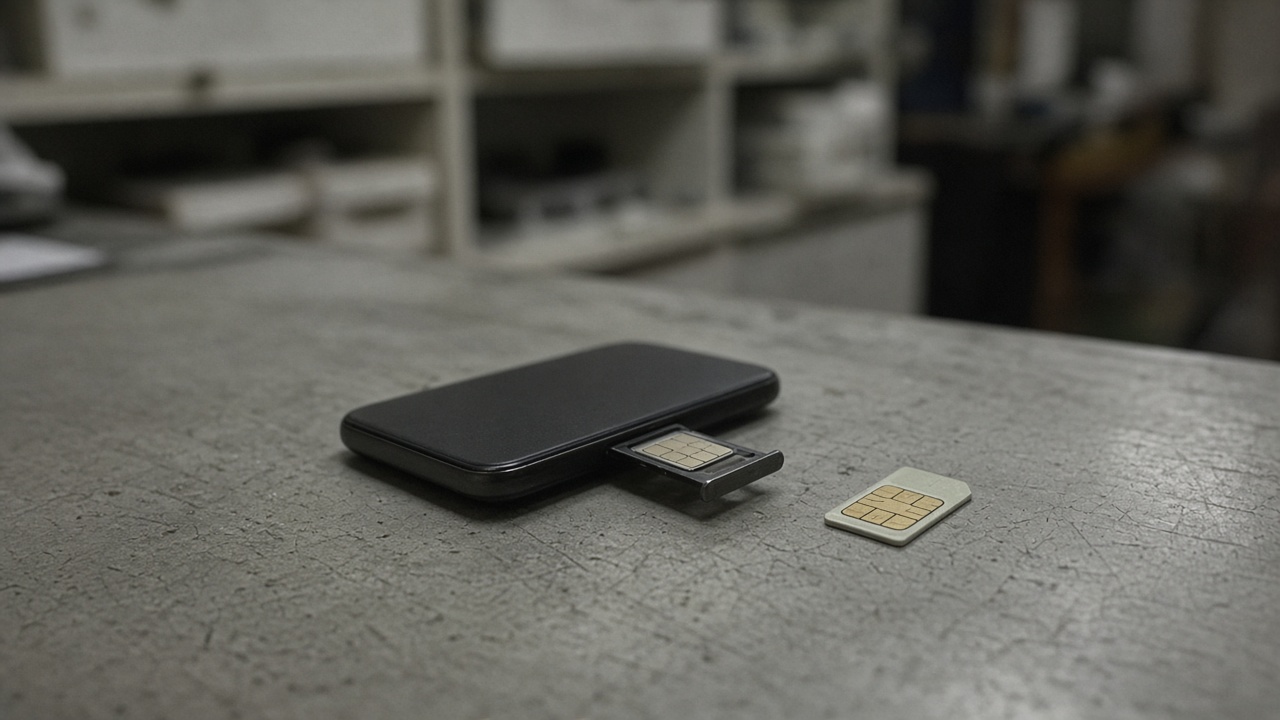
Editorial — We hold that every Australian mobile carrier should apply an automatic forty-eight-hour port lock when a customer reports suspected identity theft, because Scamwatch’s Monday-morning complaint spikes line up with instant SIM ports that hijack SMS bank codes while victims wait on hold.
The claim
Number portability was built for competition, not for criminals who walk into kiosks with stolen driver licences. A two-day freeze after a fraud report costs legitimate switchers one weekend; it can save a retiree’s entire super when a ported SIM starts approving transfers.
What reported facts support it
The Australian Communications and Media Authority already tightened porting rules after earlier fraud waves, requiring more verification for prepaid ports. Yet postpaid ports completing within hours still appear in AFCA and Scamwatch narratives where attackers time ports for Monday mornings—when telco fraud desks are flooded and bank call centers echo the same hold music.
Energy and bank desks in this edition documented coached customers; SIM ports are the quieter sibling that cuts off the real owner’s service before any voice phishing begins. Services Australia warns that myGov recovery depends on phone access; a ported number becomes a skeleton key.
The strongest objection
Carriers say blanket locks trap customers fleeing abusive partners or abusive contracts who need immediate ports. The fix is tiered: instant ports for in-store biometric verification, automatic locks when a port is requested online or at a third-party dealer after a recent fraud flag. Victims who report theft get the freeze; switchers with clean histories keep same-day service.
What we are not saying
We are not asking ACMA to ban portability or to make number recovery a week-long ordeal for everyone. We are asking for a default cooling-off period tied to fraud reports—the same logic banks use when a card is skimmed.
Who must act
ACMA should amend the Mobile Number Portability Code to require carriers to honor cross-carrier fraud flags with a forty-eight-hour hold unless the customer completes in-person ID at a company-owned store. Treasury’s Scam Prevention Framework should treat ported-SIM incidents as reportable events, not anecdotal losses. Banks must stop relying on SMS one-time codes for high-value transfers when telcos cannot guarantee number custody.
Readers who hear “your number is being ported” should call their carrier’s fraud line from another device—and demand a port lock on the record, not a ticket number that arrives after the scammer drains the account.
Limits
Port locks do not stop every scam; they stop the fastest SIM swaps. Monday chaos will persist until carriers measure hold times against port completion timestamps and publish both.
Competition without custody is negligence dressed as choice. Forty-eight hours is a small price for keeping your number yours.
Until ACMA acts, households should enable carrier account PINs where offered and store offline backup codes for myGov and banking apps before Monday morning queues begin.
Telco CEOs who resist default locks should publish average port completion times alongside fraud-loss estimates so Parliament can judge whether speed still serves the public.
Until ACMA acts, households should enable carrier account PINs where offered and store offline backup codes for myGov and banking apps before Monday morning queues begin.
Telco CEOs who resist default locks should publish average port completion times alongside fraud-loss estimates so Parliament can judge whether speed still serves the public.