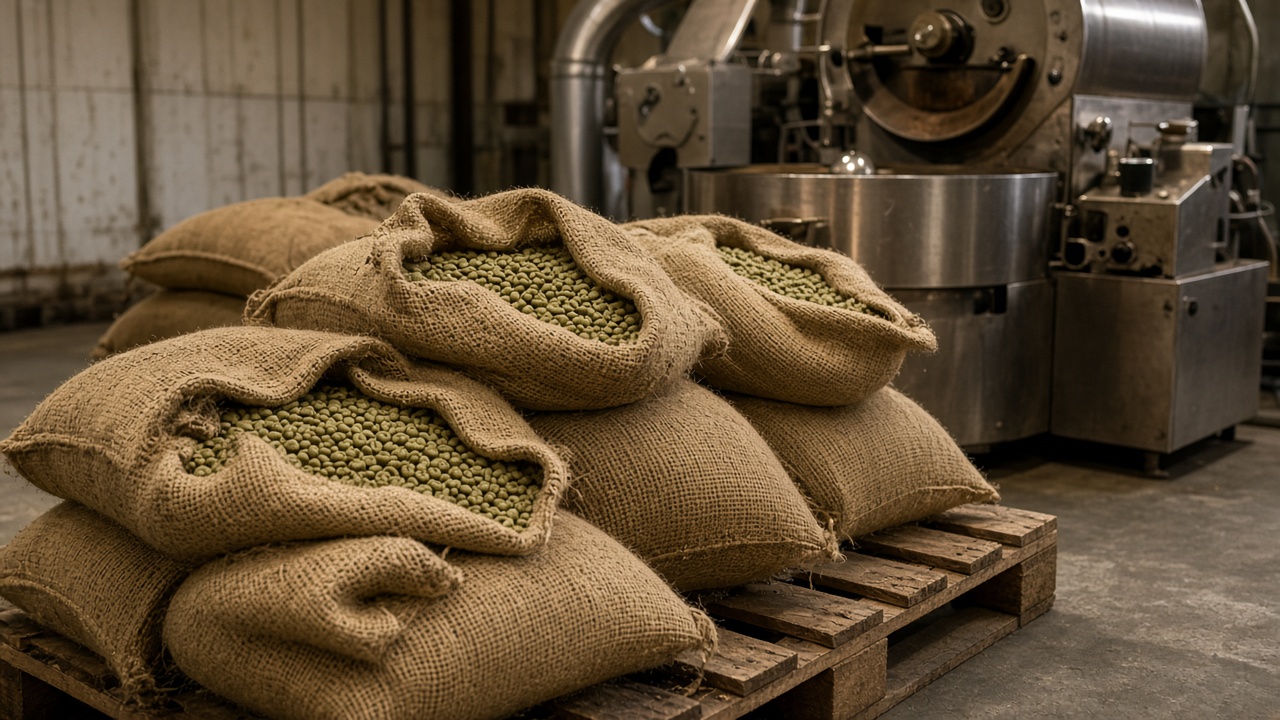
Seven & i Holdings has begun renegotiating wholesale coffee supply terms with roasting partners and regional franchise associations after the yen’s slide past 158 per dollar inflated landed costs for Brazilian and Vietnamese arabica beans. The talks, confirmed by two suppliers familiar with the agenda, aim to reset volume rebates and freight surcharges before Lawson, FamilyMart, and supermarket private labels intensify autumn promotions on hot drip cups.
Import math behind the ¥100 cup
Japan imports more than 400,000 tons of coffee annually, mostly green beans priced in dollars and settled on ocean freight indexes that spiked earlier this year through the Red Sea detours. Seven & i’s flagship drip offer has long anchored near ¥100 at company-owned 7-Eleven stores, a price point consumers treat as quasi-indexed even when barista chains charge double.
Internal spreadsheets circulated to franchise councils in Kanto and Kansai show bean costs up high single digits year on year in yen terms, while store labor and packaging rose on domestic inflation. Franchisees asked headquarters to share the burden through adjusted wholesale invoices rather than mandating retail price hikes that could dent traffic ahead of Silver Week.
Franchise politics and FTC scrutiny
Japan Fair Trade Commission guidance on vertical relationships in convenience retail means any mandatory wholesale change must be documented with objective cost inputs. Seven & i’s legal team is pairing currency hedging disclosures with green-bean auction prints from Brazil’s Cepea reference series, suppliers said, to justify a mid-contract adjustment without triggering resale-price maintenance concerns.
Regional cooperatives representing hundreds of franchise stores want tiered rebates tied to monthly cup counts, protecting smaller rural operators who cannot absorb another yen of cost on low-volume sites. Headquarters is weighing a temporary freight subsidy on consolidated container loads through Yokohama and Kobe, trading margin at the distribution center for stable shelf prices.
Competitive pressure from rivals
Lawson and FamilyMart both run seasonal coffee campaigns tied to loyalty apps, and supermarket chains are promoting beans sourced through direct trade programs that bypass traditional trading houses. None of the rivals has announced a nationwide ¥100 cup exit, but promotional flyers already bundle coffee with onigiri at implicit discounts.
Seven & i’s advantage is roasting scale at dedicated plants in Gunma and Sendai, yet even vertical integration cannot offset FX when beans are dollar-invoiced. Renegotiations include clauses to revert surcharges if the yen strengthens below 150 on a quarterly average—a concession franchisees demanded after the Bank of Japan’s cautious normalization path kept volatility elevated.
Menu mix and non-coffee offsets
Product planners are simultaneously pushing higher-margin bakery and ready-meal SKUs to cushion beverage margins. Coffee still drives morning footfall, so leadership is reluctant to shrink cup sizes or switch to higher robusta blends that alter taste profiles loyal customers notice.
Specialty cold brew and plant-based latte lines, priced above ¥200, are part of the offset strategy. Stores near office districts report those items growing faster than drip, giving headquarters room to keep the entry cup stable while growing mix.
Timeline and disclosure
Suppliers expect signed amendments by October 1 so roasted lots arriving for autumn advertising shoots carry the new terms. Seven & i has not filed a material event notice—coffee wholesale alone is unlikely to move consolidated operating profit—but investors watch convenience margins closely after the company’s strategic review of international assets.
For shoppers, the near-term outcome is probably unchanged sticker prices with quieter promotional depth on combo meals. If the yen stays weak through year-end, the harder question returns: whether ¥100 drip remains a cultural promise or becomes a loss leader only Tokyo flagship stores can afford.
Watchpoints for October
Currency forwards and Ministry of Finance trade data for August bean imports will show whether hedges caught up with spot moves. Franchise meeting minutes due in Chiba headquarters will signal if rural stores accepted the rebate formula or demanded emergency grants similar to pandemic-era support.
Either way, the renegotiation is a reminder that Japan’s convenience coffee wars are priced in Tokyo cups but supplied from dollar markets thousands of miles away.