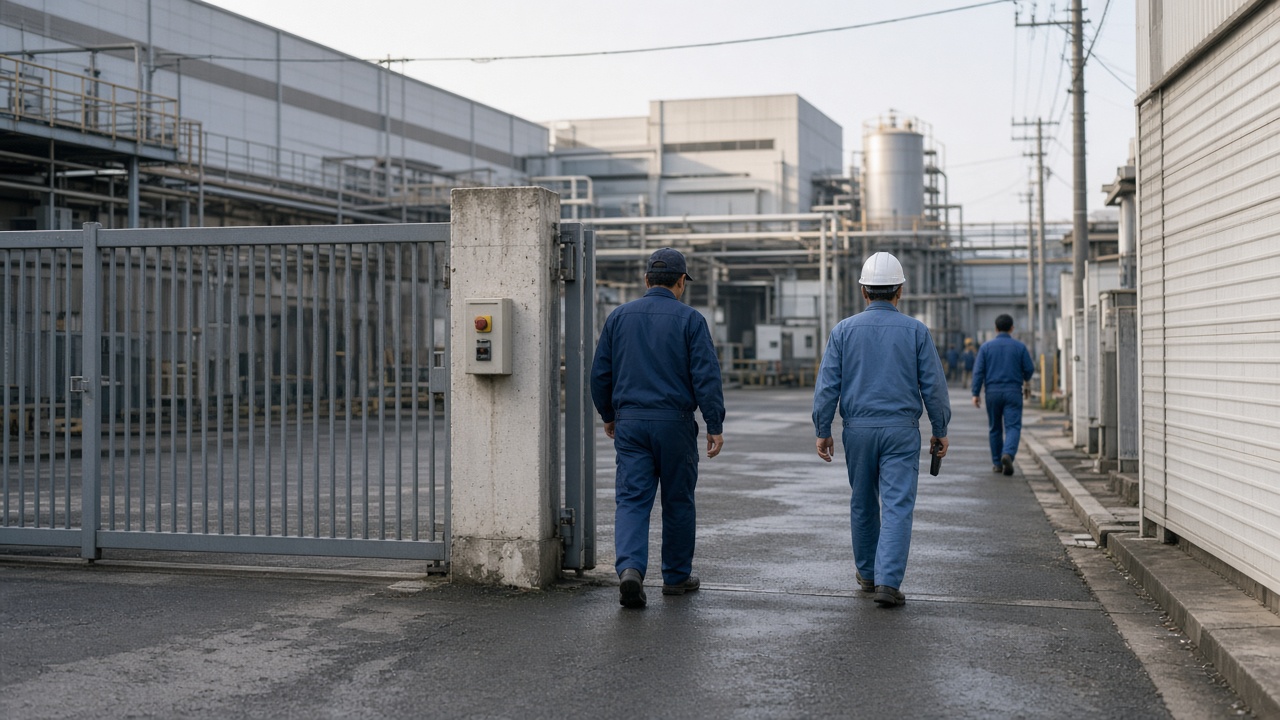
A House of Councillors labor subcommittee reopened public hearings Tuesday on abuses tied to the Technical Intern Training Program in manufacturing, after prosecutors in Aichi and Gunma filed charges this summer against supervisors accused of confiscating passports, withholding overtime pay, and forcing trainees to repurpose scrap metal off the books. The panel does not vote on legislation until autumn, but its questions signal bipartisan impatience with a program long defended as “international contribution” while functioning as a staffing pipeline for aging factory towns.
Cases on the record
Committee staff circulated redacted summaries of three 2026 cases: an automotive tier-two supplier in Toyota City allegedly kept twelve Vietnamese interns below minimum wage by deducting “training fees” for Japanese lessons never provided; an electronics molding shop in Ota, Gunma, charged with safety violations after a trainee lost partial finger mobility when guards were removed to speed cycle times; and a Nagoya logistics arm of a major manufacturer accused of passport retention discovered during a fire inspection when lockers were opened.
Prosecutors emphasized criminal liability of individual managers, but Councillors from both the ruling coalition and opposition blocs asked why supervising organizations still receive fees when interns disappear from payroll records for months. JITCO, the largest monitor, told the panel it expelled two member firms in August yet declined to name them, citing privacy—an answer that drew audible frustration from chair Yoshida Minoru’s bench.
Program design under scrutiny
The Technical Intern Training Program was meant to transfer skills to developing Asia; manufacturing now absorbs more than sixty percent of interns, many on three-year rotations repeating tasks Japanese high schools train for in weeks. MHLW data show complaint hotline calls rose twenty-two percent year over year through July, with unpaid overtime and bullying leading categories.
Labour Minister responses repeated 2023 reform talking points: smartphone reporting apps, multilingual counselors, tighter caps on brokerage fees in sending countries. Councillors noted app download rates remain under forty percent in some prefectures because supervisors discourage phone use on lines—a soft ban enforcement cannot see.
Manufacturing macro pressures
Factory executives testifying under subpoena described yen volatility and Silver Week shutdowns compressing margins, then awkwardly conceded interns covered night shifts eliminated for full-time staff after overtime caps. Union representatives said enterprise unions rarely organize interns, leaving dispute channels to underfunded NPOs translating affidavits at midnight.
Automotive supply-chain associations asked for phased wage parity timelines, arguing sudden equal pay would shutter plants already losing orders to Thailand EV parts makers. Opposition members countered that parity is moot if base hours are stolen; one held up pay stubs showing 98-hour months labeled as “skill practice.”
Sending-country diplomacy
Embassy staff from Vietnam and Indonesia attended as observers. Vietnamese diplomats privately told InfoHandle they welcome criminal prosecutions but want Japan to publish monitor performance scorecards before accepting new bilateral trainee quotas. Indonesia’s labor ministry sent a letter asking Japan to certify housing square meters per intern—a response to dormitory photos leaked from Mie prefecture showing bunk triple-stacking.
What reforms are on the table
Proposals discussed include transferring oversight from JITCO-competing organizations to a single MHLW registry with public expulsion lists, mandatory direct deposit pay without employer-owned accounts, and random labor standards inspections weighted toward industries with prior convictions. A bolder opposition draft would replace the program with a numbered visa tied to skill tests, eliminating the “intern” label critics say enables discount wages.
Ruling bloc members cautioned that abrupt visa changes could empty nursing homes and fisheries also relying on trainees—a reminder that manufacturing hearings ripple across sectors.
Corporate accountability
Brand-name OEMs faced questions about audit depth. Councillors displayed supplier codes of conduct PowerPoints alongside intern pay stubs from third-tier shops. OEM representatives promised enhanced spot checks but resisted statutory joint liability, arguing they cannot police every locker. Chair Yoshida replied that automotive just-in-time culture centralizes enough scheduling power to detect phantom interns if executives choose to look.
Next steps before Diet session ends
The panel will issue nonbinding recommendations by October, ahead of a supplementary budget debate that may fund MHLW inspector hiring. NPO lawyers said even weak recommendations help victims’ visa extensions during civil suits—practical relief for plaintiffs still working illegally after fleeing abusive dormitories.
For Japan’s manufacturing heartland, the hearing is another cycle of documented abuse and incremental reform pledges; the Councillors’ tone this week suggests patience is thinning faster than production lines add domestic midcareer hires.