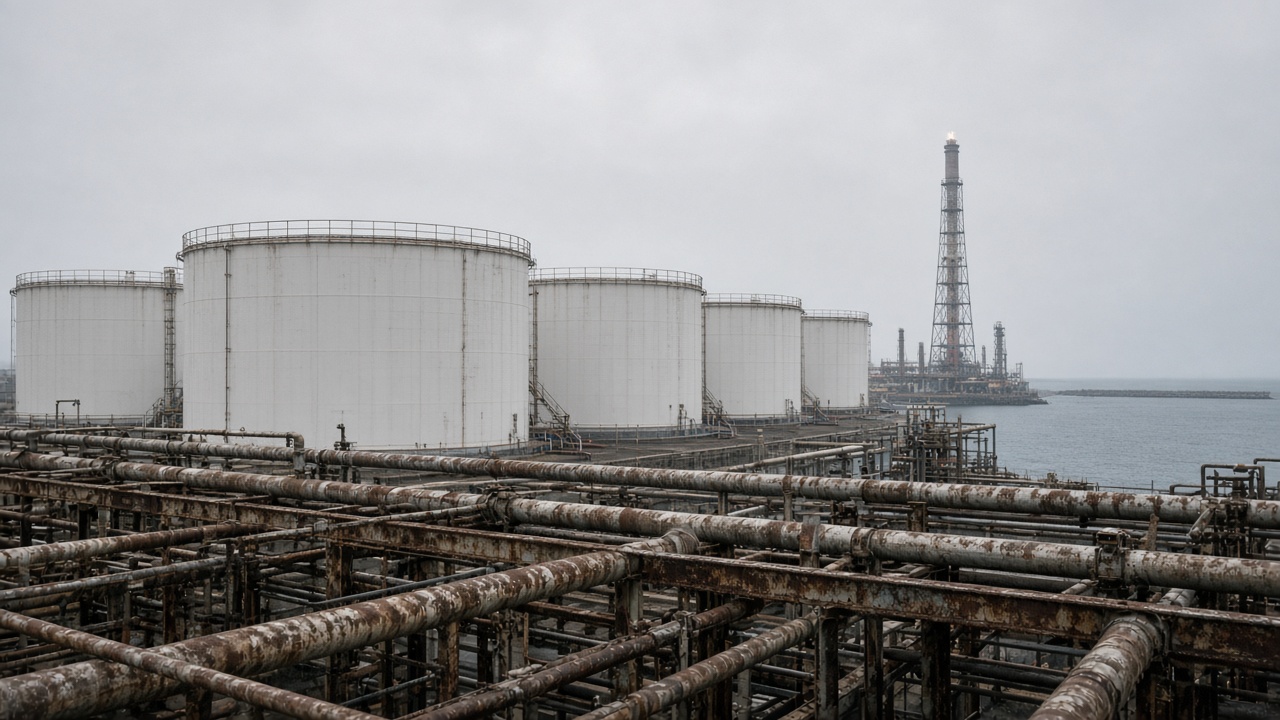
California gasoline buyers are entering the late-summer demand window with two in-state refineries still short of the resupply plans Sacramento expects, and the Air Resources Board is quietly preparing a narrow waiver path for reformulated blendstock that would otherwise fail September Reid Vapor Pressure tests.
What ARB is weighing
Staff at the California Air Resources Board told fuel marketers on a closed briefing Wednesday that enforcement discretion could allow limited batches of CARBOB to move at slightly higher vapor pressure for up to ten days if importers and in-state blenders document equivalent air-quality offsets elsewhere in the supply chain. The conversation is not a repeat of the broad early winter-blend switch CARB authorized in 2023; counsel emphasized that any waiver would apply only to barrels already in California storage and tied to specific maintenance outages.
The trigger is paperwork, not politics. Under the Energy Commission’s second-edition refinery maintenance guidelines adopted in August 2025, operators must show how they will replace lost gasoline production during turnarounds with inventory builds, intrastate purchases, or imports. Two refiners—one in the Bay Area and one in Los Angeles County—filed revised resupply schedules this week that still leave a combined gap of roughly 180,000 barrels against their own targets for the September 1 through October 31 control period, when summer-spec gasoline with about 7.0 psi RVP remains mandatory in most air basins.
Refiners lag, traders watch
Wholesale traders in Carson and San Jose said spot differentials for California-spec gasoline widened by 12 cents per gallon over three sessions as the resupply shortfall became visible in pipeline nominations. One merchant noted that AB 30’s E15 pathway adds blending flexibility on paper, but terminals still need certified CARBOB before ethanol can be added; a waiver on oxygen or RVP caps does not by itself create barrels if reformer units stay offline.
Valero’s Benicia refinery and Phillips 66’s Los Angeles complex both carried extended maintenance into September, according to filings summarized by the commission. Neither company commented on the ARB briefing, but people familiar with turnaround planning said catalyst change-outs ran long because of late-delivered reactor internals, compressing the window to rebuild summer inventory before school-year commuting picks up.
Washington’s shadow
EPA’s periodic national volatility waivers do not override California’s boutique specifications unless CARB separately loosens state rules. Fuel lobbyists in Sacramento said Governor Gavin Newsom’s office has asked ARB to pair any RVP relief with accelerated tank inspections so waivers cannot become a back door for winter-grade gasoline to linger on retail lots after October 31.
For corporate fuel buyers, the immediate risk is invoice volatility on indexed contracts rather than pump outages. Fleet managers at grocery and parcel carriers told InfoHandle they are locking Carson rack prices for two-week strips while counsel reviews force-majeure language tied to “refinery resupply plan” failures—a phrase that barely existed in contracts before SB X1-2.
What happens next
ARB could publish a regulatory advisory as early as Monday if the resupply gap persists. The commission, meanwhile, is scheduled to review whether import credits should continue to count as 1.3 barrels of resupply for every barrel landed at Long Beach or Richmond docks. Refiners that miss filings face civil penalties, but the market’s near-term question is simpler: whether discretionary RVP relief arrives before August-level demand meets a thinner-than-promised barrel count.
Investors in merchant refiners with West Coast exposure said they are modeling a temporary margin spike if waivers arrive late. Retail chains with company-owned stations are less sanguine; one Midwest grocer with California locations said it may slow promotional fuel discounts rather than absorb another unexplained rack move during back-to-school week.
Air quality versus supply
Environmental groups told ARB staff that any RVP waiver must show net ozone benefits, a bar that forced additional modeling runs this week. Staff indicated they may require refiners to retire older tanker trucks or accelerate vapor-recovery upgrades at selected terminals as a condition of relief—a trade corporate counsel said is manageable if it avoids public hearings during an election year. Independent stations without long-term supply contracts remain the most exposed; several dealer associations asked the commission to publish a weekly resupply dashboard so small operators can see whether gaps are shrinking before they commit to rack purchases.