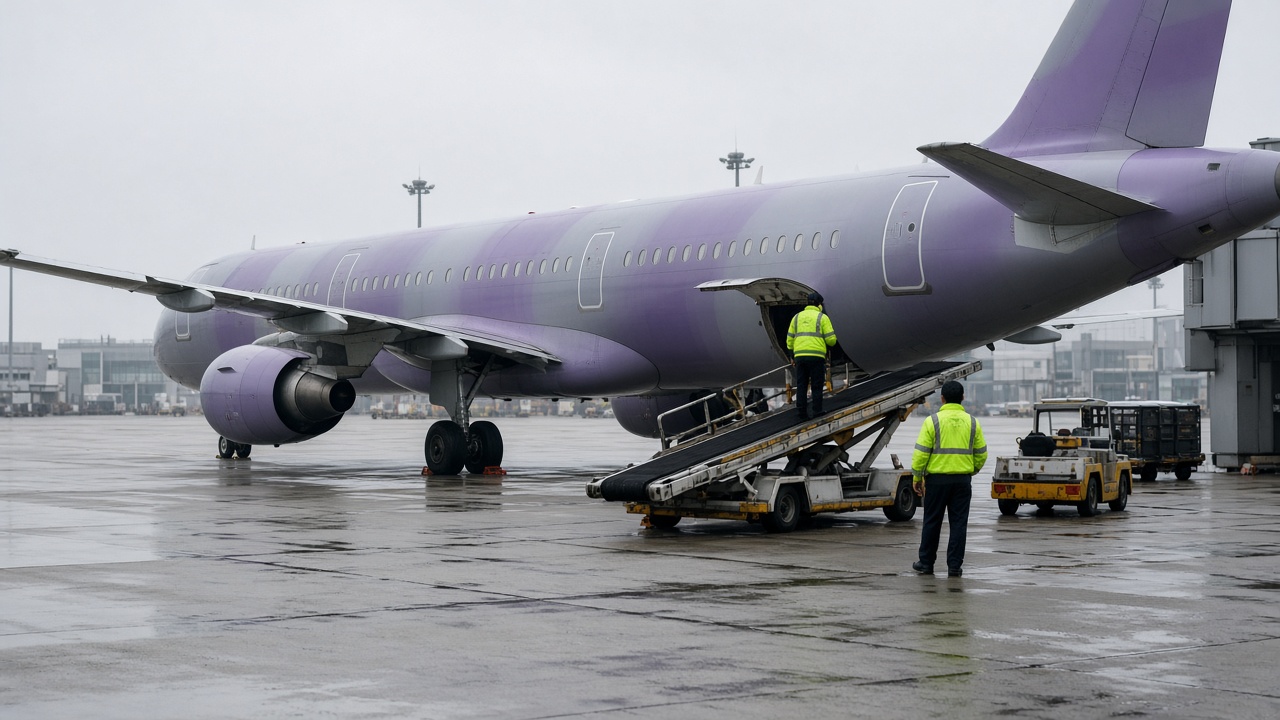
EVA Air Co. is adding three weekly Taipei Taoyuan–Fukuoka round trips for the first three weeks of October, lifting the route from fourteen to seventeen departures per week on selected days, according to a network memo circulated to agency partners and schedule filings reviewed by InfoHandle. The move lands as Taiwan carriers fight for Japanese leisure demand during the National Day holiday stretch, when schools close and families stack four-day trips to Kyushu ramen towns and Fukuoka shopping districts.
What EVA filed
The supplemental pattern mirrors industry schedule data published by route trackers: extra morning departures BR104 and BR106 from Taoyuan, paired with afternoon returns, operated with narrow-body A321 equipment through 24 October before the winter timetable trims block times. EVA’s public booking engine already prices the added seats roughly NT$800 above mid-September weekday averages on peak Friday departures, a premium revenue managers said reflects constrained hotel inventory in Hakata rather than fuel surcharges.
Company spokespeople declined to quantify load factors but confirmed the October lift is “demand-led, not fleet-led,” meaning no new aircraft arrive—crews rotate existing A321s that normally serve regional business lanes. That distinction matters for investors watching EVA parent Evergreen Group: incremental Fukuoka capacity is high-frequency, short-stage flying with quick turns, not the long-haul yield story that dominates earnings calls.
Who inside wins
Cargo planners on the same route memo warned that belly hold space on the extra rotations will prioritize e-commerce parcels over fresh seafood forwarders during the holiday window, a trade-off that favors EVA’s integrator contracts. Passenger revenue managers, meanwhile, gained authority to withhold the lowest booking classes on Friday night returns from Fukuoka, a tactic previously reserved for Lunar New Year peaks.
Ground staff unions at Taoyuan Terminal 2 said EVA posted voluntary overtime lists for check-in and gate teams covering the 06:35 and 08:00 departures. Union stewards told InfoHandle they want clarity on meal allowances for split shifts when a single A321 turns twice in one morning—details the published memo does not address.
Golden Week demand on the ground
Taiwan outbound agencies reported Kyushu package sales up double digits year-on-year in August bookings, with Fukuoka airport rail links and Canal City mall promotions cited in consumer brochures. Japan National Tourism Organization statistics show Taiwan remaining among the top source markets for Kyushu overnight stays, a pattern EVA’s network planners said justifies narrow-body frequency over wide-body capacity that would flood seats on Mondays.
Competitors are not standing still. China Airlines and budget rivals maintain daily Fukuoka service, and Starlux has marketed premium-economy seats to business travelers visiting Kumamoto and Nagasaki suppliers. EVA’s frequency play targets families who want morning arrivals to maximize a single long weekend, not executives on Monday-morning meetings.
Revenue and cost read-through
Analysts who cover EVA on the Taiwan Stock Exchange said short-haul Japan additions typically carry lower unit revenue than transpacific lanes but improve aircraft utilization when wide-bodies sit in maintenance. Evergreen’s second-quarter commentary flagged yen volatility and Taiwan dollar strength as headwinds for Japan-origin inbound traffic; the October add is overwhelmingly Taiwan-origin outbound, insulating the segment from inbound currency swings.
Fuel hedging desks inside the airline noted Brent-linked surcharges on Japan routes remain below 2024 peaks, giving EVA room to hold base fares while selling ancillaries—extra baggage and seat selection—on holiday bookings. Travel insurance attach rates on Fukuoka itineraries rose after typhoon disruptions last autumn, a attach EVA’s digital team markets in the checkout flow.
What filings do not say
The memo does not specify how long the seventeen-weekly pattern persists after 24 October, nor whether UNI Air-coded partners will share cockpit crews on the extra legs. EVA also omitted any co-chair marketing with Fukuoka prefecture tourism boards, leaving joint promotions to online travel agencies that buy blocks wholesale.
For passengers, the practical effect is more same-day seat choices when Hakata hotels release cancellation inventory mid-week. For the company, the decision is a bet that Taiwan’s October holiday will again skew Japanese over Southeast Asian beach markets—a call network planners can reverse quickly if booking curves flatten after mid-September.
Next quarter
Investor relations staff said October Japan capacity will appear in the monthly operating statistics release, not a separate disclosure. If load factors on the added rotations exceed system averages, planners may extend similar frequency into November silver-travel weekends; if not, the A321 hours revert to domestic and cross-strait shuttles without penalty clauses in lessor contracts.
Travelers holding mileage credits should watch award seat release patterns: frequent-flyer managers historically open extra saver space two weeks before departure on supplemental Japan frequencies, a practice EVA has not confirmed for this cycle.