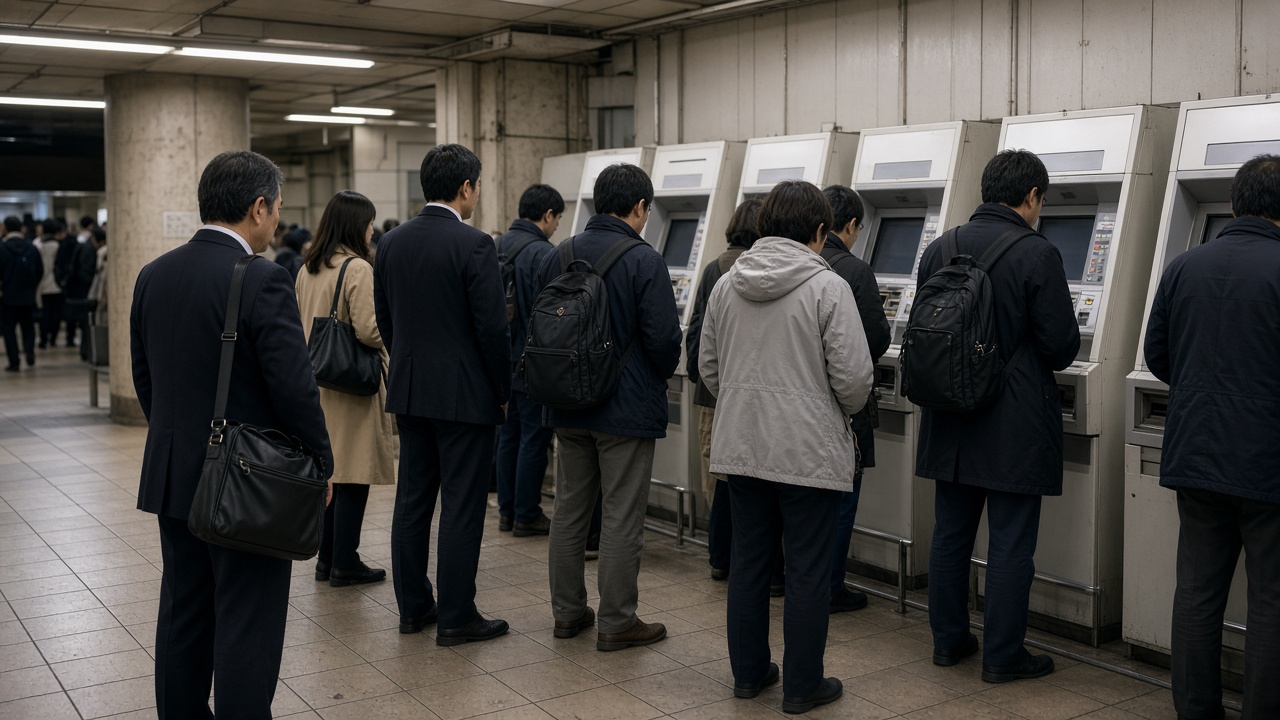
JR East told corporate travel desks this week it will not sweeten six-month commuter pass rebates this autumn, even as industry diesel fuel surcharges that freight operators reset every September ticked lower on paper. For riders renewing Tokyo-area passes after the March 14 fare overhaul, the message is blunt: the 12 percent average hike on work commuter passes stands, and the only structural relief remains off-peak products priced about 15 percent below standard commuter rates.
What the company froze
In filings tied to its first company-wide fare increase since the 1987 JR breakup, JR East already trimmed the discount on six-month passes by up to roughly five percentage points versus ordinary fares. Autumn guidance reviewed by InfoHandle confirms that rebate table stays fixed through December renewals; there is no parallel “fuel rebate” for passengers because JR East does not itemize a passenger fuel surcharge the way trucking and JR Freight contracts do.
Human-resources teams in Chiyoda and Minato wards said they fielded questions from employees whose commuter allowances still cap at pre-March amounts. One manufacturer’s policy caps rail reimbursement at ¥25,000 a month; after the hike, a Yokohama–Tokyo pass cleared ¥27,400, pushing ¥2,400 onto workers unless payroll adjusts.
Freight surcharges versus passenger math
Management cited higher energy and labor costs during the fare application to the transport ministry, and freight-sector fuel adjustment clauses did reset for the October shipping season. Those resets flow through logistics budgets, not a line item on Suica commuter passes. Analysts who cover JR East said the distinction matters for investors—lower diesel surcharges may ease cost pressure on non-rail subsidiaries, but they do not automatically flow back to riders.
Off-peak commuter passes, expanded to more stations in the March package, remain the company’s primary voluntary discount. Uptake has been strongest among hybrid workers who can shift two days a week outside peak windows; JR East marketing materials emphasize time-of-day compliance checks at gates.
Institutional riders
Universities along the Yamanote loop reminded international faculty that school commuter passes on trunk lines were held flat, while work passes rose. Research labs dependent on late-night Shinkansen samples saw FREX pass prices climb because base commuter fares feed the bundled product. None of those categories received a mid-year rebate top-up.
Real-estate brokers marketing bay-side towers in Kanagawa said some tenants are shortening pass zones—buying passes to Musashi-Kosugi instead of Tokyo Station—to stay inside allowance caps, then paying incremental fares on client days. JR East ticket office staff said such “zone shaving” increases platform congestion at intermediate hubs.
What happens at renewal
Passes bought before March 14 remain valid through their printed expiry; autumn is when six-month buyers who waited out the spring shock finally roll into the new tariff. Commuters should recalculate allowances before Silver Week travel, because cross-zone trips on IC cards now settle at post-revision rates even if the pass itself was grandfathered.
Union liaisons at a Keihin industrial belt plant asked JR East for a temporary rebate tied to fuel declines; the railway declined, pointing to multi-year capital plans for earthquake-ready bridges and digital signaling. Unless the ministry opens another fare window—which executives have not signaled—riders should budget for frozen rebates and reset freight surcharges that stay on the wrong side of the ticket.
Investor read-through
Equity researchers said frozen pass rebates protect yield per passenger kilometer after the politically sensitive March hike. Bondholders watching JR East’s recovery in inbound tourism note that airport express revenue helps, but weekday commuter elasticity still anchors forecasts. A fuel surcharge reset without a passenger credit may dull criticism from logistics lobbies without denting rail operating margins.
For households, the practical test is October payroll: if commuter benefits stay indexed to 2025 tables, the company’s freeze becomes a silent pay cut. JR East’s decision keeps pricing simple for accountants, even when diesel charts slope downward.
Local government pressure
Tokyo Metropolitan Government officials asked JR East whether corporate pass subsidies could qualify for a commuter-benefit tax break extension; the railway redirected questions to employers. Kanagawa prefecture’s tourism board separately lobbied for weekend discount bundles that would not erode six-month rebates; no pilot was announced before Respect-for-the-Aged Day travel.
Smaller private railways in the JR East marketing alliance said they would mirror rebate tables to avoid arbitrage, meaning a frozen discount at the national operator sets the ceiling for partner lines serving bedroom communities in Saitama and Chiba.