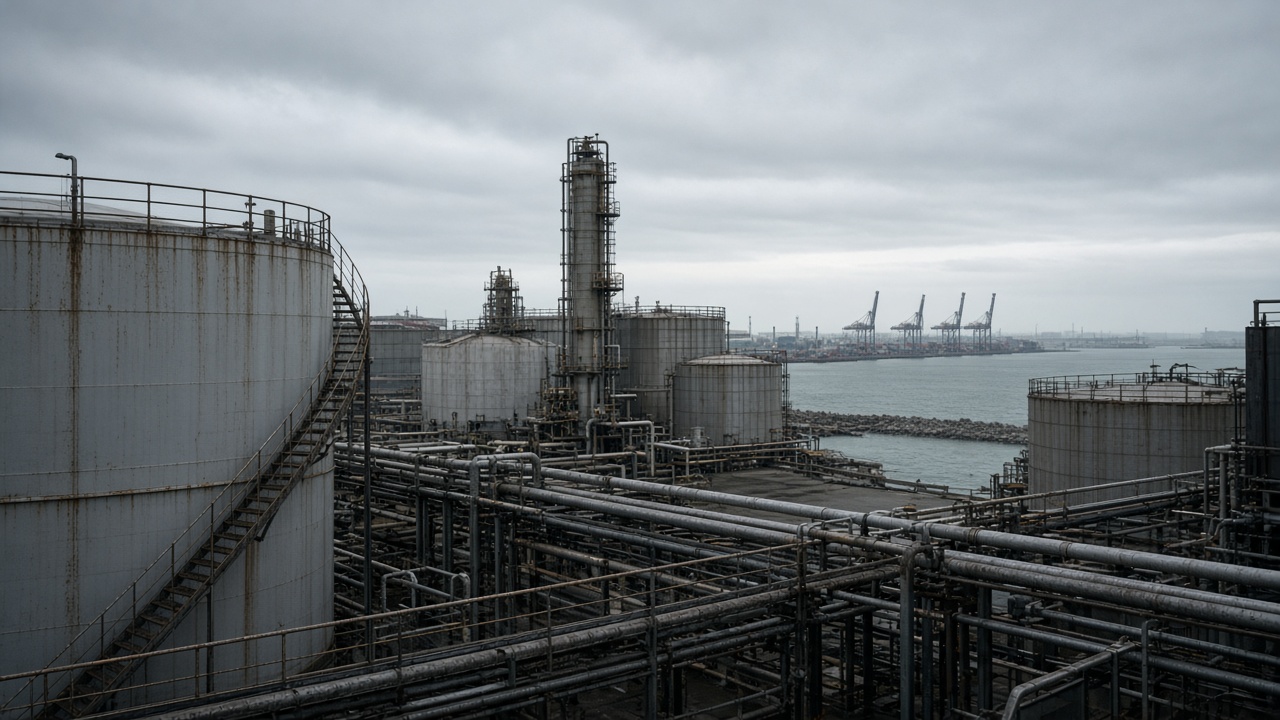
Formosa Petrochemical Corp. told trading partners it extended naphtha swap coverage through the fourth quarter and pushed two autumn maintenance windows at its Mailiao refinery complex by roughly ten days, according to a procurement circular distributors received on Friday and reviewed by InfoHandle. The moves are not a capacity cut announcement; they are margin defense as regional crack spreads tightened while Japanese and Korean refiners schedule overlapping turnarounds ahead of winter distillate demand.
What the hedge desk actually bought
Formosa's trading unit added layered naphtha swaps linked to Singapore benchmarks, covering roughly seventy percent of expected feedstock needs for October and November processing, two people familiar with the terms said. The company historically hedges in bands rather than flat-price bets; this extension widens the collar after August volatility when Middle East cargo premiums jumped on shipping detours.
Maintenance planners shifted a catalytic reformer outage originally slated for late September into early October and separated a hydrocracker inspection so both units are not offline when typhoon season still threatens harbor unloading. Union stewards at Mailiao were briefed that the stagger protects overtime rosters during Mid-Autumn return traffic on Freeway No. 17, not to defer safety work.
Why autumn turnarounds sting now
Taiwan's refiners earn when gasoline and jet cracks outrun naphtha feed costs. September spreads compressed as China exported surplus diesel and airlines trimmed Asian capacity growth forecasts. Formosa Petrochemical's integrated site also feeds downstream olefins; if naphtha spikes while polyethylene prices lag, the whole chain feels it.
Competitors in Northeast Asia announced similar maintenance clusters; fewer running units can lift product prices later, but only if Formosa's units restart on schedule. A delayed catalyst change in a reformer can idle aromatics units that supply domestic chemical buyers in Taichung and Kaohsiung.
Inside the company
Formosa Petrochemical is the listed refining arm of the Formosa Plastics Group. Executives have told investors they prioritize run-rate stability over spot trading gains, yet the trading desk's hedge book is what smooths quarterly earnings when cracks whipsaw. David Wong's desk watches those filings because hedge gains or losses often explain beats that operating volumes alone cannot.
Capital projects continue: a debottleneck at a residue hydrocracker remains on track for next year, according to an engineering contractor memo that did not change this autumn's scope. Environmental inspectors scheduled stack tests after turnaround restarts; Formosa's ESG disclosures cite lower sulfur fuel oil output as a multi-year trend.
Workers and the harbor
Mailiao port pilots said naphtha import slots were reserved through October to avoid demurrage if maintenance slips. Tank farm operators will drain and inspect floating-roof tanks during the narrower outage window, work that releases volatile organic compounds under permits the Yunlin county environmental bureau renewed in July.
Contract maintenance crews from Kaohsiung and Taichung arrive in waves; staggered outages let specialists rotate without crowding shared scaffolding. Overtime pay is budgeted; the procurement memo warned vendors that late parts delivery during Golden Week shipping congestion would be charged back.
What investors are weighing
6505.TW traded in line with regional refining peers last week; hedge extensions rarely move the stock until quarterly disclosures show realized gains. Analysts on Taipei conference calls asked whether Formosa would trim run rates if cracks stay weak; operations replied that utilization follows margin thresholds set weekly, not headline news.
Downstream, Formosa Chemicals & Fibre Corp. buyers want stable aromatics feed; any prolonged reformer outage ripples into polyester chains that employ thousands along the west coast.
Next quarter
If Northeast Asian turnarounds lift product cracks in November, Formosa's extended naphtha cover could look cheap in hindsight. If cracks stay soft and typhoons delay cargoes, the hedge only caps part of the pain. The company's decision this week is classic refinery economics: buy time on feedstock, protect restart sequencing, and keep Mailiao's massive complex from fighting itself while autumn maintenance collides with a nervous Asian margin tape.
Formosa Petrochemical will publish monthly operating statistics in early October; traders will compare throughput to hedge notionals for hints on realized trading income. Until then, the story is operational: longer swaps, later turnarounds, and a bet that disciplined maintenance beats chasing spot cracks with units offline at the wrong moment.