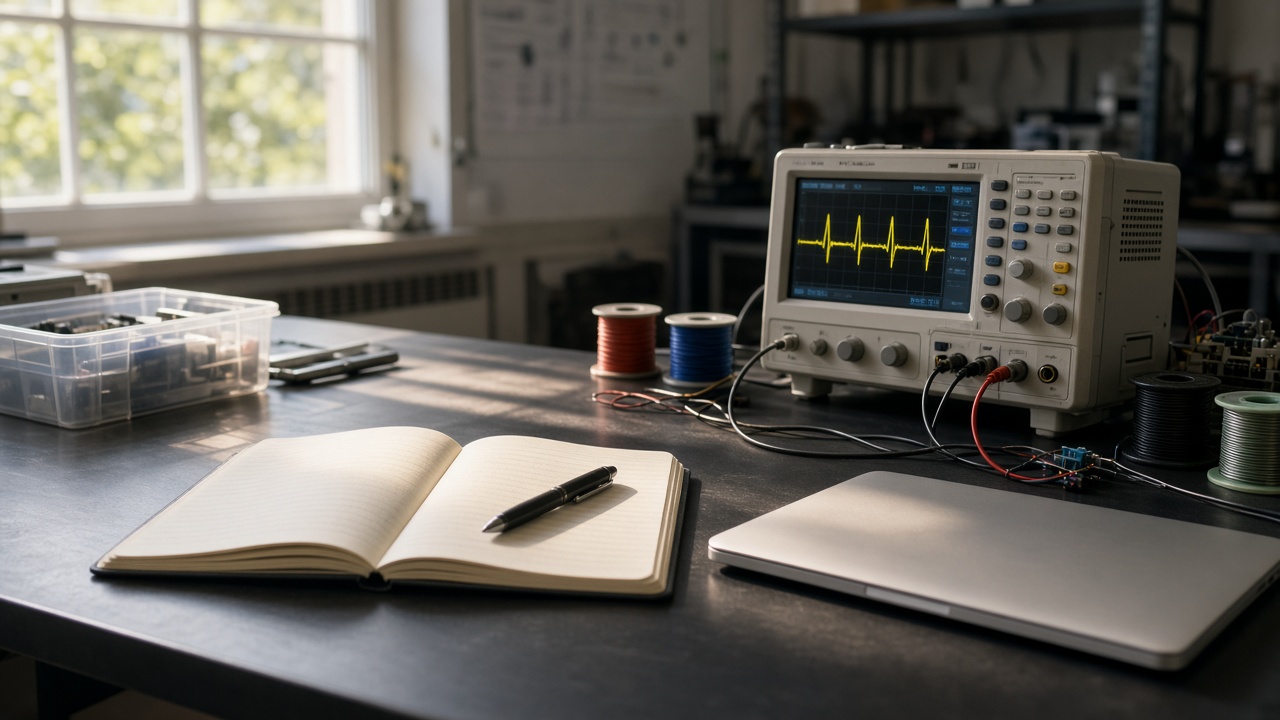
Seoul National University’s College of Engineering issued a faculty memo requiring students and postdocs to footnote generative-AI use in bound lab notebooks and electronic lab records, effective this semester. The rule covers code snippets, data-plot scripts, and draft methods paragraphs produced with large language models—not casual email, but anything that enters the experiment trail reviewers might audit.
What the memo requires
Each notebook entry that relied on an AI tool must name the model version, date, and prompt summary in the margin or metadata field. Raw model output gets pasted into an appendix page or linked file hash, not silently edited into results. Faculty chairs said the standard mirrors SNU’s graduate-school thesis citation policy updated last spring, but applies earlier—at the bench—because undergraduate capstone teams increasingly ship firmware and CAD files co-written with assistants.
Kyungsoo Moon’s classroom read: the fight is not anti-AI; it is provenance. When a sensor calibration script comes from ChatGPT, the error bars in the plot still belong to the student who ran the hardware. Labs that skip footnotes risk failing internal safety reviews because reviewers cannot tell whether a risky voltage limit came from a datasheet or a hallucinated spec.
Which labs first
Mechanical engineering, electrical engineering, and civil environmental labs must comply before midterm notebook checks in October. Chemical and biological engineering departments may adopt a stricter wet-lab addendum banning AI from hazard analyses altogether until the college publishes chemical-specific examples. The Dean’s office said it will not provide a single approved vendor; students may use campus-licensed Copilot, open models on the KISTI cloud, or personal accounts—as long as they disclose.
Ministry and funding context
The Ministry of Education has urged universities to update research-integrity guides ahead of expanded National Research Foundation of Korea audits that sample digital notebooks. NRF has not mandated AI footnotes nationally yet, but SNU engineering leaders said they would rather standardize now than retrofit after a plagiarism scandal. Industry partners in the college’s semiconductor packaging consortium asked for disclosure language they can paste into joint invention reports.
Enforcement and appeals
First violations trigger notebook rework, not suspension. Repeat omissions go to the college ethics panel, which can block conference travel grants. Professors may mark entries “AI-assisted, verified” only after a human reruns calculations or bench tests—a sign-off line borrowed from pharmacy lab courses that already required witness initials on titrations.
What students should do Tuesday morning
Download the college’s one-page template before the Chuseok makeup lab sessions; it includes Korean and English margin labels. Electronic lab notebooks must export PDF snapshots weekly because the audit trail locks after Friday midnight backups. The policy does not ban AI; it makes the tool visible on the same page as the solder joint or load-cell reading—so when funding agencies ask what happened in the lab, the answer is not “the model said so.”