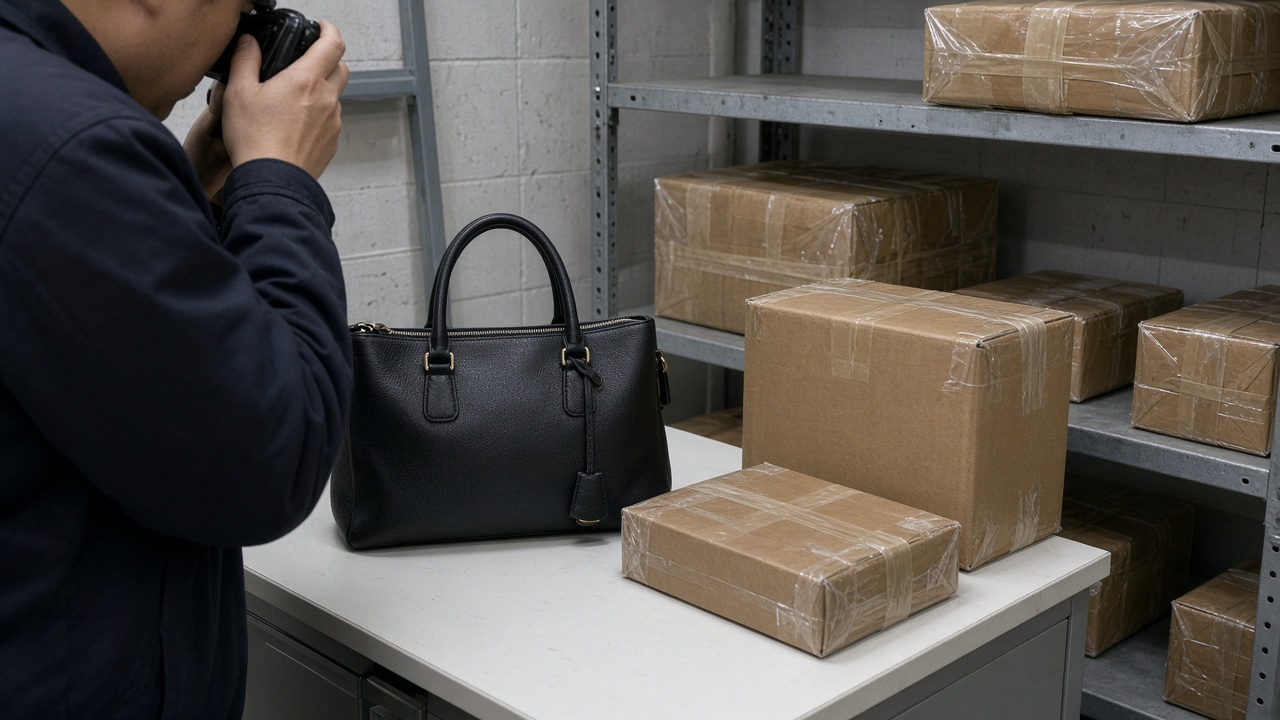
Buyma rolled out an escrow workflow for third-party authenticator photos on pre-owned luxury handbags after Kansai Customs seized several misdeclared parcels this summer, holding timestamped images and delaying seller payouts until buyers confirm delivery matches the documented serials. The policy change is a platform operations fix—not a new authentication lab—but it alters how cross-border resellers cash out when Osaka inspection desks flag brand-name inconsistencies.
What shipped on the product side
Sellers must upload high-resolution images from approved authenticators before listings go live on cross-border lanes. Buyma’s servers store hashes and raw files in separate buckets; payouts sit in a pending ledger until the buyer taps receipt and the escrow timer expires without dispute. Internal tools flag listings when EXIF timestamps predate warehouse intake scans—a pattern compliance staff saw in seized lots reviewed with customs liaisons.
Buyma declined to publish seizure counts, citing ongoing investigations, but told merchants in a Friday webinar that Kansai cases involved Hermès and Chanel SKUs with mismatched duty codes. The escrow rule applies platform-wide yet enforcement priority targets handbags above ¥300,000 destined for overseas buyers using Kansai airport hubs.
How customs pressure reached the app
Japan Customs publishes general guidance on trademark enforcement; Kansai field offices intensified spot checks ahead of autumn tourism peaks. Parcel brokers forwarding Buyma orders through Osaka sorting centers received formal notices when declared values diverged from appraised resale prices—paperwork Buyma’s legal team now mirrors in seller onboarding quizzes.
Authenticators remain independent contractors, not Buyma employees. The escrow change does not certify goods; it only prevents sellers from deleting photo evidence after a sale clears—closing a loophole investigators said let bad actors swap images between listings.
Who supports this in six months
Buyer disputes still route to human agents in Nagoya during JST business hours; overnight escalations rely on chatbots that cannot release escrow without supervisor PINs. Buyma is hiring twelve compliance analysts through year-end, but attrition in photo-review teams could lengthen payout holds during December sales spikes.
Payment partners must reconcile pending ledgers with domestic bank APIs; any mismatch freezes entire seller accounts—a blunt instrument merchants protested on community forums Buyma moderates.
Where the bottleneck is
Authentication capacity, not software. Approved labs in Tokyo and Kobe already run week-long queues before peak season. Escrow preserves evidence but does not shorten inspection time; sellers eating storage fees on high-value bags may delist rather than wait.
Cross-border shipping partners asked Buyma to standardize harmonized codes in listing forms; partial rollout this month still lets legacy SKUs slip through with free-text descriptions customs scanners misread.
Consumer spine versus industry spine
Consumers see longer payout timelines and more photo requests—not cheaper handbags. Industry spine: resellers and forwarders must keep audit trails aligned with customs worksheets. Buyma’s revenue hit is indirect: fewer chargebacks when seizures drop, but more seller churn if escrow feels punitive.
Factory and supply angles
Buyma does not manufacture goods; its supply story is information supply. Timestamped photos become part of the chain-of-custody packet forwarders attach to manifests. When forwarders omit escrow IDs, Buyma blocks label printing—a integration shipped quietly to three major Kansai logistics APIs.
What broke before the fix
Earlier policy let sellers delete gallery shots after payout, complicating customs appeals when seized parcels still showed live listings with different angles. Investigators could not match warehouse photos to platform metadata quickly; escrow keeps immutable copies for 180 days minimum.
Risks sellers still face
Authenticators can disagree; Buyma’s policy does not settle expert disputes, only preserves files. Seizures can still happen if physical goods differ from photos—escrow is not insurance. Sellers without approved authenticator relationships must use Buyma’s partner list or stay domestic-only, shrinking assortment for U.S. buyers.
Metrics Buyma watches
Compliance dashboards track average escrow hold days, dispute rates, and forwarders with above-median seizure notices. InfoHandle could not verify internal targets; merchants were told holds should average under ten days when buyers respond promptly.
What happens next
Buyma plans API tokens so forwarders pull escrow certificates at label purchase—reducing manual email loops. Kansai Customs has not endorsed the workflow publicly, but field officers received briefing slides explaining hash-stored photos, according to trade association minutes InfoHandle reviewed.
For luxury resale platforms, the lesson is operational: when customs desks tighten, marketplaces escrow evidence before money moves, even if authentication science stays the same.