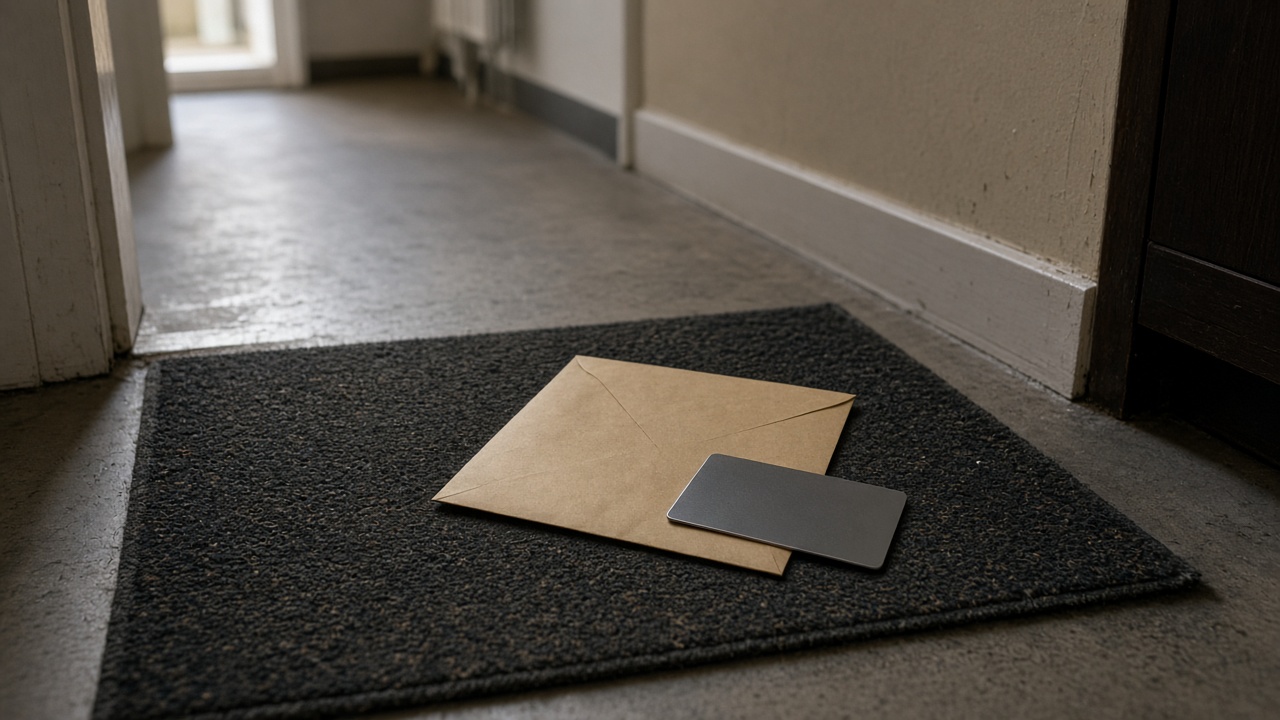
Chase UK customers ordering the metal-bodied debit card after the bank’s September debit rewards relaunch are reporting delivery queues stretching three to four weeks, well beyond the support page’s ten-working-day escalation point, according to social queues and customer-service transcripts Claire Whitfield’s desk reviewed. The bank, owned by JPMorgan Chase, still issues digital card details in-app immediately, but physical metal replacements—popular after cashback tier changes—are throttling mail fulfilment.
What the product costs in pounds
Chase’s current account remains fee-free; the metal card is not a paid metal tier in the American sense but a heavier stock card customers select for durability and wallet feel. The household money story is opportunity cost: new rules require fifteen monthly card payments and a thousand pounds across Chase savers to earn two per cent cashback on groceries, transport and fuel, capped at twenty pounds a month. Customers who relaunched their spending habits in September ordered metal plastics to replace worn recycled-PVC cards, triggering a fulfilment spike on top of organic growth from the TfL branding partnership announced in late 2025.
Missing the physical card does not stop Apple Pay or Google Pay taps, but it frustrates users who need magstripe-free in-store habits or who want the metal piece before switching direct debits. Each week without the card is not an APR hit—there is no interest on current accounts—but it can mean missing qualifying payments if customers waited for the post before spending.
Why deliveries slipped
Chase’s public FAQ still promises five to seven working days with a ten-day contact threshold. Operations teams told customers in September threads that “rewards relaunch volumes” delayed embossing batches. Metal cards require separate fulfilment partners from the original rPVC launch; when cashback marketing relit interest, replacement requests stacked behind new-account kits. Courier scans show parcels lingering at regional depots rather than lost-in-transit failures—a capacity story, not a fraud hold.
The relaunch tightened eligible categories to UK sterling spend on groceries, everyday transport and fuel—changes widely covered when they took effect in April 2025. September’s promotional push reminded existing customers of the two per cent tier during the grace period, which nudged dormant users to reorder cards with updated branding tied to the TfL reader sponsorship.
Issuer posture
Chase UK competes on app experience and cashback simplicity against incumbents with branch networks. Delivery delays are reputationally awkward for a digital-only bank that cannot hand you a card across a counter. Support agents are issuing fee waivers on a case-by-case basis—not on interest, but on expedited courier fees where available—and pointing users to in-app card details for online checkout.
Debit rewards caps mean even perfect delivery only returns twenty pounds monthly at the two per cent tier; the queue nonetheless angers customers who treat metal as the tangible sign they joined a “serious” bank.
Missed payments and credit overlap
Chase also markets a credit card with shared cashback mechanics; debit queues do not block credit applications, but household budgeting often links both. If a customer delays switching bill payments while waiting for metal, they risk missing the fifteen-payment count for October cashback—a pounds-on-the-statement issue Whitfield tracks closely. Direct debits do not count toward payment thresholds; only card taps and eligible wallet spends do.
What Chase says publicly
Media releases focus on partnerships and cashback categories, not fulfilment SLAs. The support article remains the canonical promise: contact after ten working days. Customers flooding that threshold in week two are told to expect “a few additional weeks” during the relaunch—language not yet reflected on the static FAQ.
For UK households, the practical move is to spend via the app’s digital card while the metal envelope waits on the doormat, and to log payments so the rewards relaunch actually pays—not just looks good in marketing. For the credit-cards desk, Chase UK’s metal delivery queue is a reminder that fee-free banking still has a logistics bill, and September’s rewards push sent that bill to the post room.